



Why Potassium Hydroxide Is Essential in Soap and Detergent Manufacturing?
Release time: 2026-05-22
Table des matières
Soap and detergent products are part of everyday life, from household cleaning and personal hygiene to industrial sanitation. Behind many of these products is a powerful alkaline chemical that plays a critical role in production—potassium hydroxide (KOH). Known as caustic potash, potassium hydroxide is widely used in the soap and detergent industry because it produces high-quality liquid soaps, improves formulation stability, and enhances cleaning performance.
As consumer demand for liquid soaps, hand washes, shampoos, and eco-friendly cleaning products continues to grow, manufacturers increasingly rely on potassium hydroxide to produce consistent, effective formulations. This article explores why potassium hydroxide is indispensable in soap and detergent manufacturing, its advantages over other alkalis, and how to choose the right supplier.
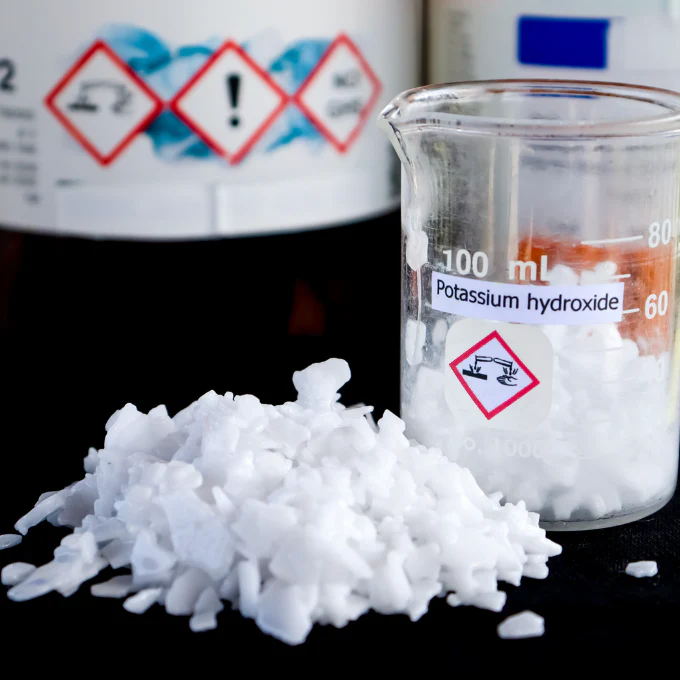
What Is Potassium Hydroxide?
Potassium hydroxide (chemical formula KOH) is a strong inorganic alkali produced by the electrolysis of potassium chloride solution. It is available in flakes, pellets, or liquid form and is highly soluble in water.
Its strong alkaline properties make it an excellent ingredient for saponification—the chemical reaction that converts fats and oils into soap. Because of its high reactivity and purity, potassium hydroxide is widely used in industrial manufacturing, pharmaceuticals, food processing, batteries, and especially soap and detergent production.
Why Potassium Hydroxide Is Preferred for Soap Manufacturing
One of the main reasons manufacturers choose potassium hydroxide is the type of soap it produces.
Unlike sodium hydroxide, which creates hard bar soaps, potassium hydroxide produces soft, smooth, and highly soluble soaps. These properties make it ideal for modern liquid cleaning products.
Key Benefits Include
- Produces clear liquid soaps
- Creates softer soap formulations
- Dissolves quickly in water
- Generates rich and stable foam
- Improves cleansing performance
- Compatible with various natural oils
- Suitable for premium cosmetic products
Because consumers increasingly prefer liquid hand soap and body wash over traditional soap bars, potassium hydroxide has become an essential raw material for manufacturers worldwide.
The Role of Potassium Hydroxide in the Saponification Process
Saponification is the chemical reaction between fats or vegetable oils and an alkali.
During this process, potassium hydroxide reacts with fatty acids to produce:
- Potassium soap
- Glycérine
The simplified reaction is:
Fat/Oil + Potassium Hydroxide → Potassium Soap + Glycerin
This reaction forms soap molecules capable of surrounding grease, dirt, and oil, allowing them to be rinsed away with water.
The efficiency of potassium hydroxide ensures:
- Faster reaction times
- High soap yield
- Consistent product quality
- Stable formulations
- Reduced manufacturing waste
Applications in Soap Manufacturing
Potassium hydroxide is widely used to manufacture numerous soap products.
Liquid Hand Soap
The most common application is liquid hand soap, where potassium hydroxide produces a clear and smooth texture with excellent foaming properties.
Body Wash
Body washes require gentle cleansing combined with moisturizing characteristics. Potassium hydroxide enables manufacturers to formulate mild products suitable for daily use.
Shaving Cream
Many shaving creams rely on potassium-based soap because it creates dense, stable foam that improves razor glide.
Castile Soap
Traditional liquid Castile soap made from olive oil uses potassium hydroxide instead of sodium hydroxide to achieve its characteristic liquid consistency.
Industrial Cleaning Soap
Heavy-duty industrial soaps for workshops, factories, and machinery maintenance often use potassium hydroxide because of its excellent grease-removal ability.
Importance in Detergent Manufacturing
Potassium hydroxide is not limited to soap production. It also plays an important role in manufacturing liquid detergents and industrial cleaning agents.
Common detergent applications include:
- Dishwashing liquid
- Laundry detergent
- Surface cleaners
- Multi-purpose cleaners
- Degreasers
- Vehicle cleaning chemicals
- Industrial cleaning solutions
Its strong alkalinity helps dissolve oils and fats while maintaining stable detergent formulations.
Advantages Over Sodium Hydroxide
Although both potassium hydroxide and sodium hydroxide are strong alkalis, they serve different purposes.
| Fonctionnalité | Potassium Hydroxide | Sodium Hydroxide |
|---|---|---|
| Soap Type | Liquid and soft soap | Hard bar soap |
| Solubilité dans l'eau | Higher | Lower |
| Foam Quality | Excellent | Bien |
| Product Texture | Smooth | Firm |
| Ideal Applications | Liquid soap, detergents | Bar soap |
Manufacturers producing premium liquid products generally choose potassium hydroxide because it offers better solubility and superior product appearance.
Benefits for Modern Manufacturers
Potassium hydroxide provides several production advantages that improve manufacturing efficiency.
Faster Production
Its rapid dissolution shortens mixing time and accelerates production cycles.
High Product Quality
High-purity potassium hydroxide minimizes impurities that could affect the final product’s appearance or stability.
Better Formulation Flexibility
It works well with various vegetable oils, essential oils, fragrances, and cosmetic additives.
Consistent Performance
Reliable chemical properties allow manufacturers to maintain uniform quality across production batches.
Efficacité en matière de coûts
Although potassium hydroxide may cost more than sodium hydroxide, its performance and suitability for liquid products often reduce overall production costs by improving yield and minimizing processing issues.
Avantages environnementaux
Many modern cleaning product manufacturers are committed to producing environmentally friendly formulations.
Potassium hydroxide supports sustainable production because:
- It works well with biodegradable vegetable oils.
- It enables the production of phosphate-free cleaning products.
- It helps formulate concentrated detergents, reducing packaging waste.
- It is suitable for many eco-friendly and plant-based soap formulations.
As consumers increasingly demand sustainable cleaning products, potassium hydroxide continues to be an important ingredient in green manufacturing.
Quality Considerations When Buying Potassium Hydroxide
Selecting high-quality potassium hydroxide directly affects production efficiency and product consistency.
Manufacturers should evaluate suppliers based on several important criteria.
Pureté
Higher purity reduces contamination and ensures better reaction performance.
Stable Specifications
Consistent concentration and particle size improve manufacturing reliability.
Conditionnement
Quality packaging prevents moisture absorption, which can reduce product performance.
Support technique
Professional suppliers provide Technical Data Sheets (TDS), Safety Data Sheets (SDS), and application guidance.
Supply Reliability
A dependable supplier ensures timely delivery and stable inventory for uninterrupted production.
Safe Handling and Storage
Because potassium hydroxide is highly corrosive, proper safety measures are essential.
Best practices include:
- Wear chemical-resistant gloves and goggles.
- Avoid direct skin and eye contact.
- Store in sealed containers away from moisture.
- Keep in a cool, dry, and well-ventilated warehouse.
- Follow local regulations for hazardous chemical handling.
Proper storage preserves product quality and ensures workplace safety.
Future Outlook for Potassium Hydroxide in Soap and Detergent Manufacturing
The global soap and detergent market continues to expand due to rising hygiene awareness, urbanization, and consumer preference for liquid cleaning products.
Several trends are expected to increase demand for potassium hydroxide:
- Growth in liquid hand soap consumption
- Increasing demand for premium personal care products
- Expansion of industrial cleaning applications
- Rising popularity of eco-friendly detergents
- Growth in hospitality and healthcare sanitation markets
As manufacturers innovate with concentrated, biodegradable, and sustainable formulations, potassium hydroxide will remain a key raw material for the industry.
Conclusion
Potassium hydroxide is an essential ingredient in modern soap and detergent manufacturing. Its ability to produce high-quality liquid soaps, enhance cleaning performance, and support a wide range of formulations makes it the preferred alkali for many manufacturers.
From household hand soaps and body washes to industrial cleaners and specialty detergents, potassium hydroxide delivers consistent results, excellent solubility, and superior formulation flexibility. By sourcing high-purity potassium hydroxide from a reliable supplier, manufacturers can improve production efficiency, maintain product quality, and meet the growing demand for effective and environmentally responsible cleaning products.
Foire aux questions (FAQ)
What is potassium hydroxide used for in soap manufacturing?
Potassium hydroxide is used to produce liquid soaps, soft soaps, shaving creams, and specialty soap formulations through the saponification process.
Why is potassium hydroxide preferred over sodium hydroxide for liquid soap?
Potassium hydroxide produces softer, more water-soluble soaps with excellent clarity and foam, making it ideal for liquid soap and detergent formulations.
Can potassium hydroxide be used in detergent production?
Yes. Potassium hydroxide is widely used in liquid detergents, dishwashing liquids, industrial cleaners, degreasers, and other cleaning products.
Is potassium hydroxide safe for cosmetic products?
When properly formulated and neutralized during manufacturing, potassium hydroxide is commonly used in soaps, shampoos, body washes, and other cosmetic products in compliance with applicable regulations.
How should potassium hydroxide be stored?
Store potassium hydroxide in airtight containers in a cool, dry, well-ventilated area to protect it from moisture and maintain its quality.