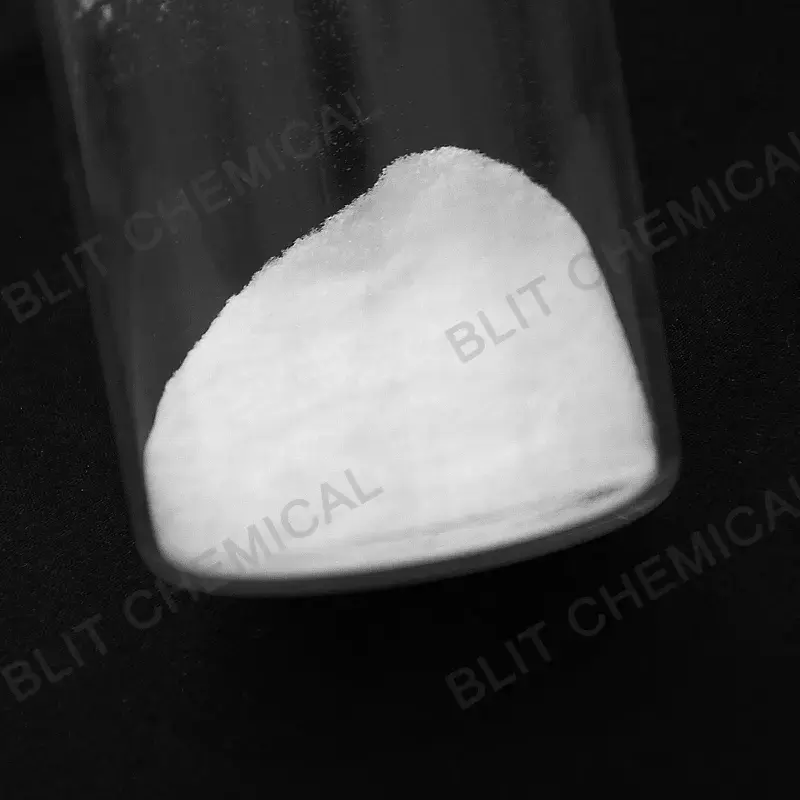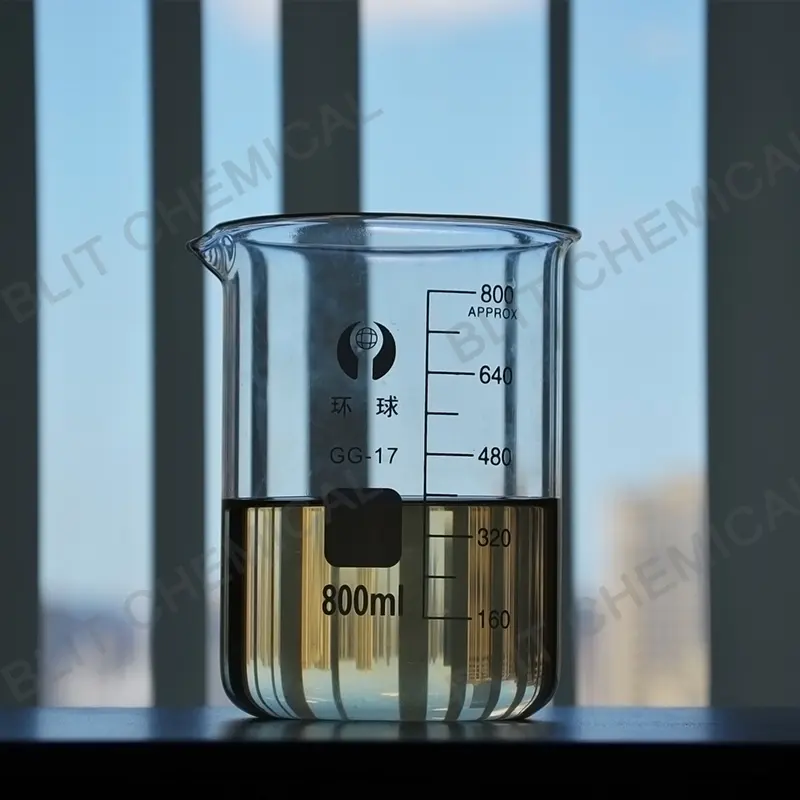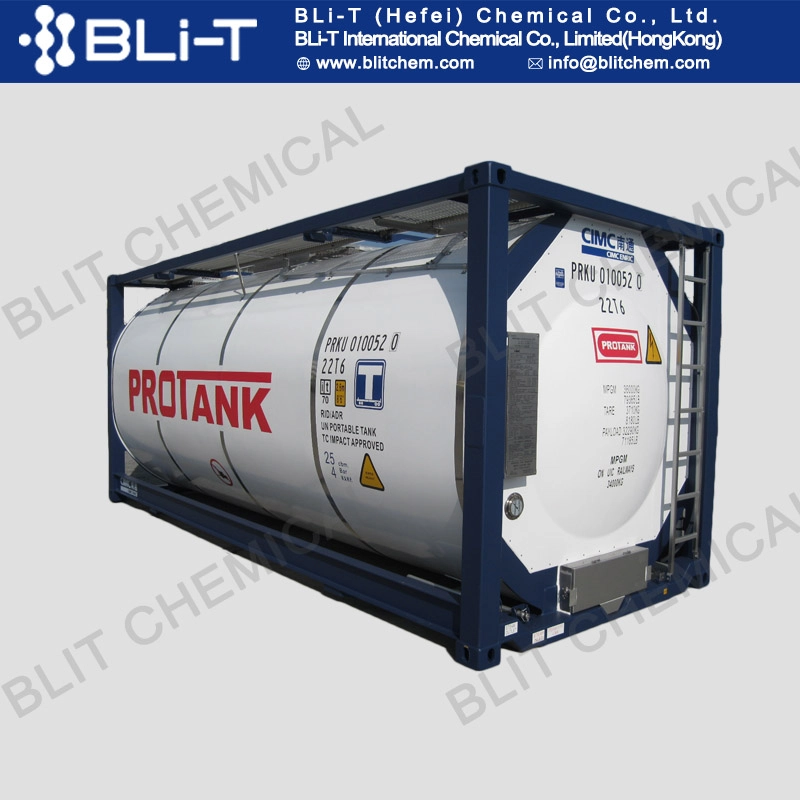


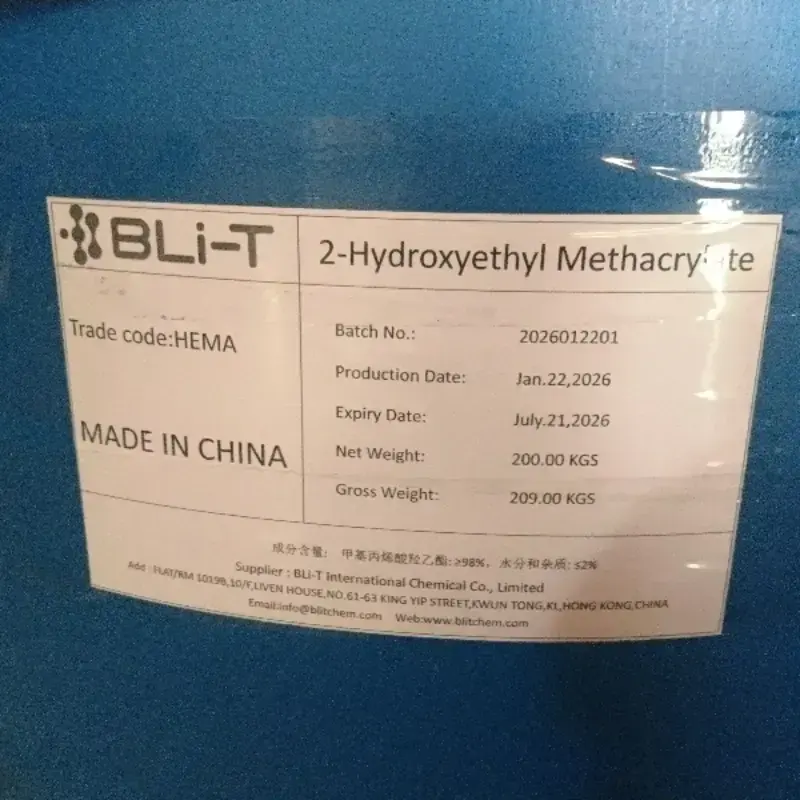
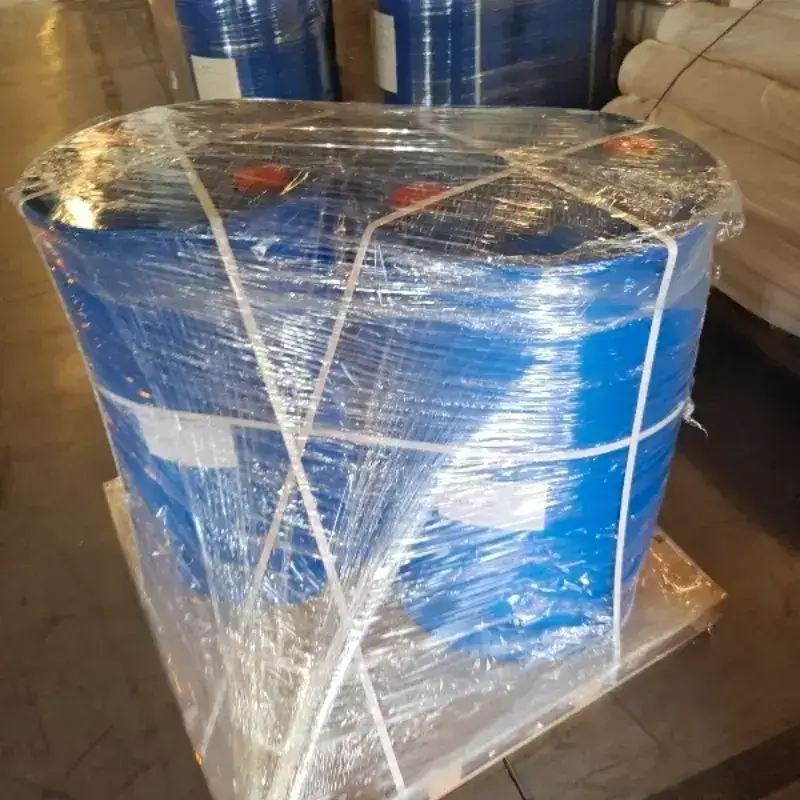
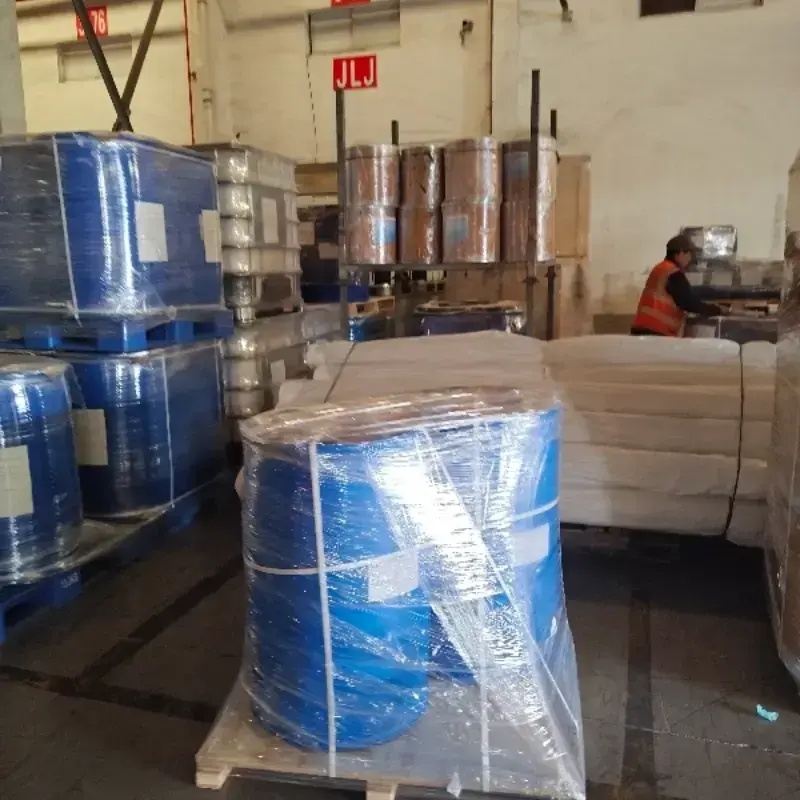
For 2-Hydroxyethyl Methacrylate HEMA CAS 868-77-9 price, samples, COA, MSDS, TDS, REACH documentation or customized MEHQ requirements, please contact BLIT Chemical.contact info@blitchem.com.
Méthacrylate de 2-hydroxyéthyle HEMA CAS 868-77-9
Description
- CAS: 868-77-9
- Synonyms: HEMA; Hydroxyethyl Methacrylate; Ethylene Glycol Methacrylate
- Einecs : 212-782-2
- Molecular Formula: C₆H₁₀O₃
- Catégorie : 98%
- Colis : 200 kg/fût ou selon les besoins
Détails
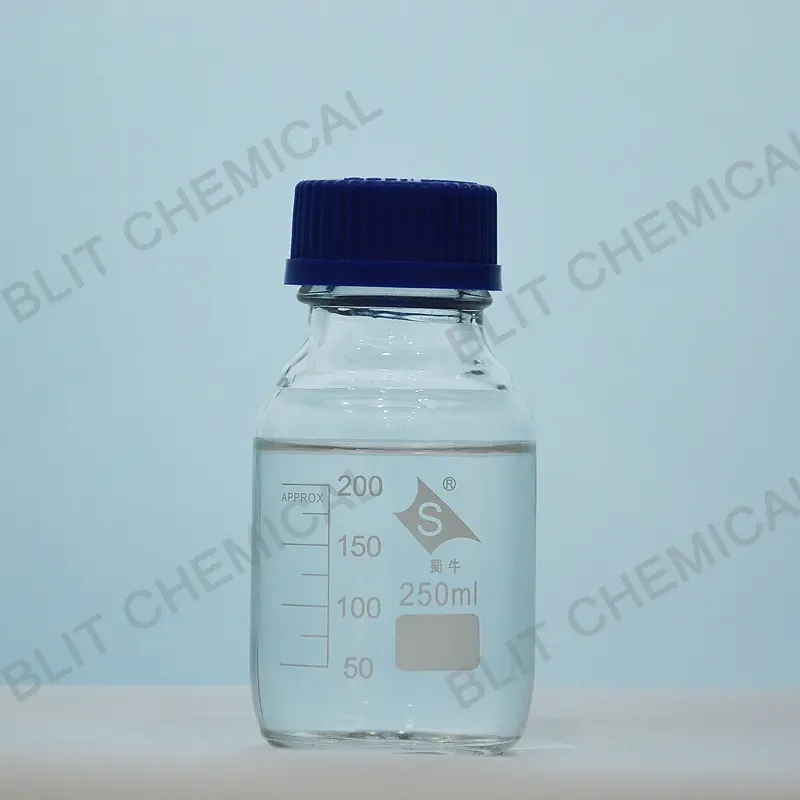
BLIT Chemical supplies 2-Hydroxyethyl Methacrylate HEMA CAS 868-77-9 as a functional methacrylate monomer for acrylic resin, coating, adhesive, and polymer modification applications. As a HEMA supplier, BLIT Chemical provides colorless transparent liquid products in ≥97.0% and ≥98.0% monoester grades, with adjustable MEHQ inhibitor levels for different formulation processes and expected storage periods.
HEMA contains both a polymerizable methacrylate group and a reactive hydroxyl group.It can be copolymerized with methyl methacrylate, ethyl methacrylate, and other acrylic or methacrylic monomers to introduce hydroxyl functionality into resin systems. This makes it useful when formulators need to adjust crosslinking potential, adhesion, compatibility, and downstream resin performance.
BLIT Chemical can adjust the MEHQ inhibitor content according to the customer’s application, formulation design, transport conditions, and expected warehouse storage time. We also support European customers with REACH documentation and have experience exporting HEMA to Germany and other European markets.
| Article | Détails |
| Nom du produit | 2-Hydroxyethyl Methacrylate |
| Synonymes | HEMA; Hydroxyethyl Methacrylate; Ethylene Glycol Methacrylate |
| Numéro CAS | 868-77-9 |
| Formule chimique | C₆H₁₀O₃ |
| Poids moléculaire | 130.14 g/mol |
| Numéro EINECS | 212-782-2 |
Spécification
| Article | Spécification |
| Apparence | Liquide transparent incolore |
| Monoester | ≥97.0% / ≥98.0% |
| Total Purity | ≥99,0% |
| Color, Hazen | ≤10 |
| Teneur en eau | ≤0.10% |
| Acidity, as Methacrylic Acid | ≤0.10% |
| Inhibitor, MEHQ | 150–1000 mg/kg |
The MEHQ inhibitor level can be adjusted according to the customer’s industry, polymerization process, formulation requirements, transport conditions, and expected storage period. Final specifications should be confirmed through the latest COA before shipment.
Applications
Acrylic and Methacrylic Resin Production
HEMA is mainly used as a reactive monomer in acrylic and methacrylic resin synthesis. It can be copolymerized with monomers such as:
- Methyl methacrylate, MMA
- Ethyl methacrylate, EMA
- Butyl methacrylate
- Other acrylic and methacrylic monomers
The hydroxyl group introduced by HEMA provides a functional site for subsequent crosslinking or modification. Resin manufacturers can adjust the HEMA addition level according to target hydroxyl value, molecular structure, viscosity, and curing requirements.
Coating Resin Systems
2-Hydroxyethyl Methacrylate can be used in acrylic resin systems for coatings where hydroxyl functionality is required. Depending on the resin design, the hydroxyl groups may participate in subsequent crosslinking reactions and help formulators adjust adhesion, film formation, hardness, flexibility, and chemical resistance.
HEMA should be evaluated according to the selected comonomers, initiator system, reaction temperature, molecular-weight target, and final curing mechanism.
Adhesive Resin Formulations
HEMA can be incorporated into selected acrylic adhesive polymers to introduce polar hydroxyl functionality. Customers should evaluate its influence on substrate adhesion, polymer polarity, viscosity, conversion, and storage stability within the specific adhesive formulation.
Functional Polymer Modification
HEMA is also used as a functional monomer for modifying acrylic and methacrylic polymers. It can help introduce reactive hydroxyl groups for subsequent grafting, crosslinking, surface modification, or compatibility adjustment.
Directives d'utilisation
BLIT Chemical recommends evaluating HEMA according to the customer’s resin composition, polymerization method, inhibitor requirement, reaction temperature, and expected storage cycle before commercial production.
Copolymerization with Methacrylate Monomers
When HEMA is copolymerized with MMA, EMA, or other methacrylate monomers, formulators should evaluate the monomer ratio according to the required hydroxyl value and final resin performance. Increasing HEMA content can change resin polarity, viscosity, water affinity, compatibility, and crosslinking potential.
Pilot polymerization should be used to confirm:
- Reaction rate and monomer conversion
- Molecular-weight development
- Resin viscosity
- Hydroxyl functionality
- Residual monomer level
- Final coating or adhesive performance
MEHQ Inhibitor Management
HEMA is supplied with MEHQ inhibitor to reduce the risk of unintended polymerization during storage and transport. The appropriate inhibitor concentration depends on the expected storage period, ambient temperature, transport route, and customer process.
Customers should not reduce or remove the inhibitor before confirming the effect on storage stability and polymerization control. Where a different MEHQ level is required, BLIT Chemical can discuss the target range according to the customer’s production and logistics conditions.
Raw-Material Compatibility
Before scale-up, customers should test HEMA with the complete monomer and additive system. Particular attention should be paid to compatibility with:
- Acrylic and methacrylic comonomers
- Polymerization initiators
- Chain-transfer agents
- Solvants
- Crosslinkers
- Catalysts and other reactive additives
Water content, acidity, inhibitor concentration, and trace contamination may affect polymerization behavior and final resin quality.
Production and Transfer
Use clean, dry transfer equipment and prevent contamination by rust, acids, bases, oxidizing substances, polymerization initiators, or incompatible materials. Avoid unnecessary exposure to heat and direct sunlight during transfer and charging.
BLIT Chemical suggests the following checks before bulk use:
- Confirm the required monoester grade and latest batch COA
- Confirm the MEHQ range before production
- Evaluate reaction temperature and initiator conditions
- Run pilot polymerization before plant-scale production
- Monitor conversion, viscosity and residual monomer
- Confirm finished-resin stability under intended storage conditions
Stockage et manutention
Store HEMA in a cool, well-ventilated area away from direct sunlight, heat, ignition sources, and incompatible substances. Keep containers tightly sealed and maintain the specified inhibitor and storage conditions.
Recommended handling:
- Avoid prolonged exposure to elevated temperatures
- Prevent contamination during sampling and transfer
- Use clean and dry equipment
- Keep drums or IBCs sealed when not in use
- Follow the current MSDS and site procedures
- Check inhibitor content and product condition after extended storage
HEMA is a reactive methacrylate monomer, so temperature control, inhibitor management and contamination prevention are important for storage stability.
Conditionnement
Standard packaging:
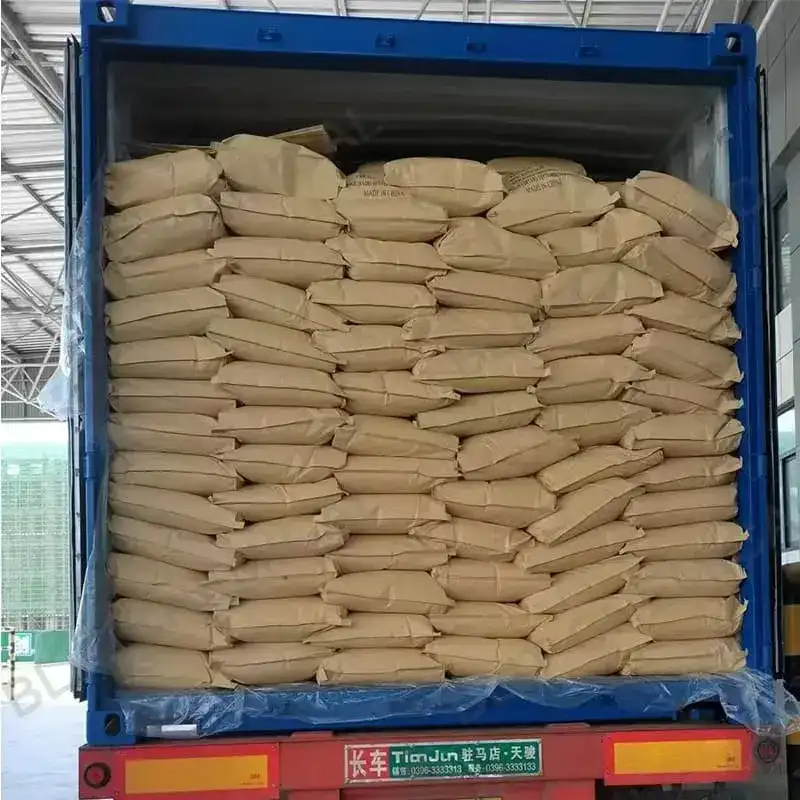
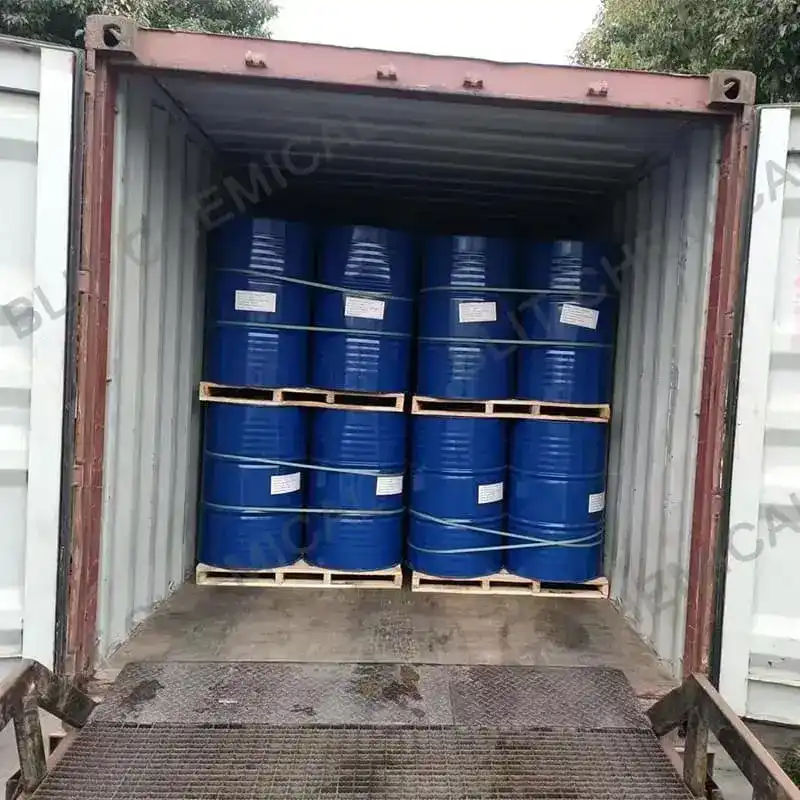
- 200kg drum
- 1000kg IBC
Container loading:
- 200kg drums with pallets: approximately 16MT/20GP
- 1000kg IBCs: approximately 20MT/20GP
Samples are available for quality evaluation and polymerization testing. Shipment can usually be arranged by air courier such as FedEx, DHL, UPS, or another suitable express service, depending on destination, shipping conditions and chemical transport requirements.
FAQ
-
Q: Comment acheter et obtenir plus d'informations telles que COA, TDS, MSDS ?UN: Vous pouvez télécharger le fichier dans Support ou contacter info@blitchem.com pour l'obtenir.
-
Q: Quels types de transport pouvez-vous fournir ?UN: Nous pouvons fournir une variété de méthodes de transport, notamment le transport maritime, le transport aérien, le transport terrestre, la livraison express, etc.
-
Q: What is 2-Hydroxyethyl Methacrylate HEMA used for?UN: HEMA is mainly used as a functional methacrylate monomer in acrylic resins, coatings, adhesives and polymer modification. Its hydroxyl group provides a reactive site for crosslinking and downstream resin modification.
-
Q: What HEMA grades does BLIT Chemical supply?UN: BLIT Chemical supplies HEMA in ≥97.0% and ≥98.0% monoester grades, with total purity controlled according to the corresponding specification.
-
Q: Can the MEHQ inhibitor level be adjusted?UN: Yes. The MEHQ level can be adjusted according to the customer’s application, polymerization process, transport conditions and expected storage period. The confirmed inhibitor range should be stated in the purchase specification.
-
Q: Can HEMA be copolymerized with MMA or EMA?UN: Yes. HEMA can be used with methyl methacrylate, ethyl methacrylate and other acrylic or methacrylic monomers. The addition ratio should be tested according to the required hydroxyl value, resin structure and finished-product performance.