



Sodium Salicylate: An Overview of Its Uses, Benefits, and Safety
Release time: 2025-12-19
Table des matières
Sodium salicylate, with the Chemical Abstracts Service (CAS) number 54-21-7, is a fascinating compound that plays a significant role in both pharmaceutical applications and research. As a sodium salt of salicylic acid, it is classified as a non-steroidal anti-inflammatory drug (NSAID). This article delves into the properties, uses, benefits, and safety considerations of sodium salicylate, providing a comprehensive understanding for those interested in its applications.
What is Sodium Salicylate?
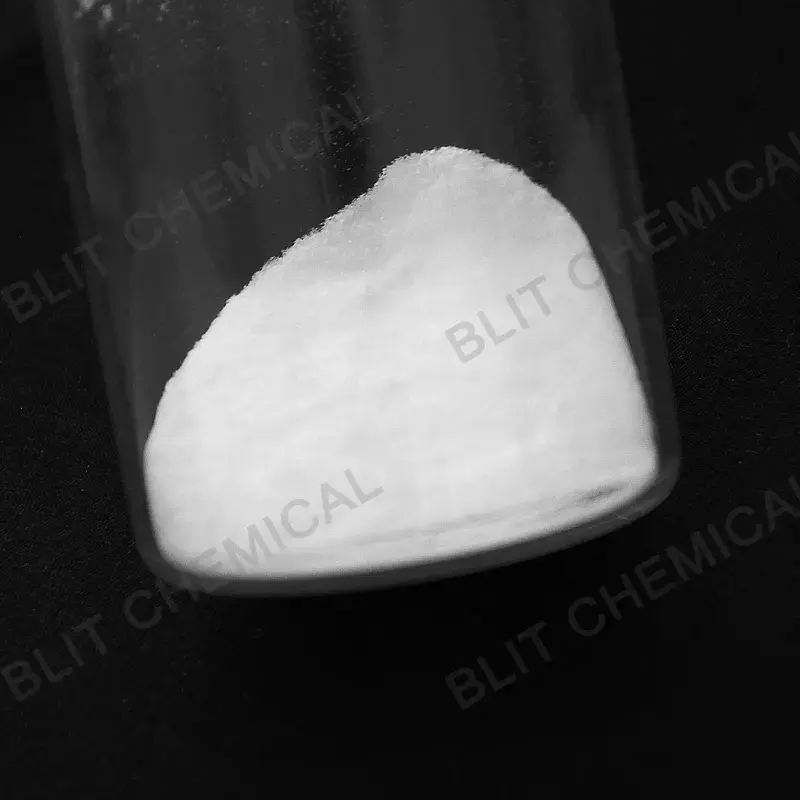
Sodium salicylate is a white, crystalline solid with the chemical formula C7H5NaO3. It is highly soluble in water, making it an ideal candidate for various formulations and applications. The compound derives its medicinal properties from its ability to inhibit cyclooxygenase (COX) enzymes, which are crucial in the inflammatory process. By blocking these enzymes, sodium salicylate effectively reduces pain, fever, and inflammation.
Mécanisme d'action
The primary mechanism through which sodium salicylate exerts its effects is by inhibiting the COX pathways. COX enzymes play a vital role in the conversion of arachidonic acid to prostaglandins, compounds that mediate inflammation and pain. By reducing the production of these inflammatory mediators, sodium salicylate provides relief from symptoms associated with various conditions.
In addition to COX inhibition, sodium salicylate also influences the nuclear factor kappa B (NF-κB) signaling pathway. NF-κB is a transcription factor that, when activated, promotes the expression of pro-inflammatory cytokines. By modulating this pathway, sodium salicylate further contributes to its anti-inflammatory effects, demonstrating its multifaceted action in pain management.
Medical Uses of Sodium Salicylate
Pain Relief
One of the primary uses of sodium salicylate is for pain relief. It is often employed in the treatment of various pain conditions, including arthritis, muscle pain, and other inflammatory disorders. Its effectiveness in alleviating discomfort makes it a valuable addition to the NSAID family.
Fever Reduction
Sodium salicylate can also be used to reduce fever. By acting on the hypothalamus, the part of the brain responsible for regulating temperature, it helps lower elevated body temperatures associated with infections and inflammatory diseases.
Anti-Cancer Potential
Recent research has suggested that sodium salicylate may hold anti-cancer potential. Studies have indicated that it could inhibit the growth of cancer cells and induce apoptosis, or programmed cell death, in certain types of tumors. This emerging area of research highlights sodium salicylate’s potential beyond its traditional uses, paving the way for further investigations into its role in cancer therapy.
Induction of Tinnitus in Research
Sodium salicylate serves as a useful tool in scientific research, particularly in studies related to tinnitus—a condition characterized by ringing or buzzing in the ears. Researchers have utilized sodium salicylate to induce tinnitus in animal models, allowing for a better understanding of the underlying mechanisms and potential treatments for this challenging condition.
Safety and Precautions
While sodium salicylate offers numerous benefits, it is important to handle it with care due to its potential risks. It can cause skin burns and eye damage upon contact. Therefore, proper personal protective equipment (PPE), such as gloves and goggles, should always be worn when handling the compound.
Side Effects
Like other NSAIDs, sodium salicylate may cause side effects, although they are generally mild. Some common side effects include:
- Gastrointestinal disturbances (nausea, vomiting, diarrhea)
- Vertiges
- Allergic reactions (rash, itching)
Severe side effects are rare but can occur, particularly in individuals with pre-existing health conditions or those taking specific medications. It is crucial to consult a healthcare professional before using sodium salicylate, especially for extended periods or in high doses.
Contraindications
Sodium salicylate is contraindicated in certain populations, including individuals with:
- Peptic ulcer disease
- Severe kidney impairment
- History of allergic reactions to salicylates or other NSAIDs
Pregnant and breastfeeding women should also seek medical advice before using sodium salicylate, as its safety during pregnancy and lactation has not been fully established.
Conclusion
Sodium salicylate is a versatile compound with a wide range of applications in medicine and research. Its effectiveness as a non-steroidal anti-inflammatory drug, coupled with its potential anti-cancer properties and utility in tinnitus research, underscores its importance in the pharmaceutical landscape.
However, it is essential to approach sodium salicylate with caution due to its potential side effects and safety concerns. Proper handling and adherence to medical guidance are crucial for ensuring safe and effective use.
When it comes to sourcing high-quality chemicals for pharmaceutical and research applications, BLIT Chemical stands out as a trusted supplier. Among our extensive product range, we proudly offer sodium salicylate, a versatile compound widely recognized for its medicinal properties and research applications.
As research continues to uncover new facets of sodium salicylate, its role in therapeutic applications may expand further, offering hope for innovative treatments in the future. Whether you’re a healthcare professional, researcher, or simply someone interested in the nuances of pharmacology, understanding sodium salicylate’s properties and implications can enhance your appreciation of this remarkable compound.