


The Science Behind Sodium Chlorite: How It Works and Why It’s Essential in Fine Chemicals
Release time: 2025-09-10
Sodium chlorite (NaClO₂) is an often-underestimated compound, yet it plays a crucial role in various industries, especially in the production of fine chemicals. Its remarkable versatility and reactivity make it indispensable in everything from disinfection to the synthesis of specialty chemicals. In this article, we’ll dive into the science behind sodium chlorite, how it works, and why it is essential in the fine chemical industry.
What is Sodium Chlorite?
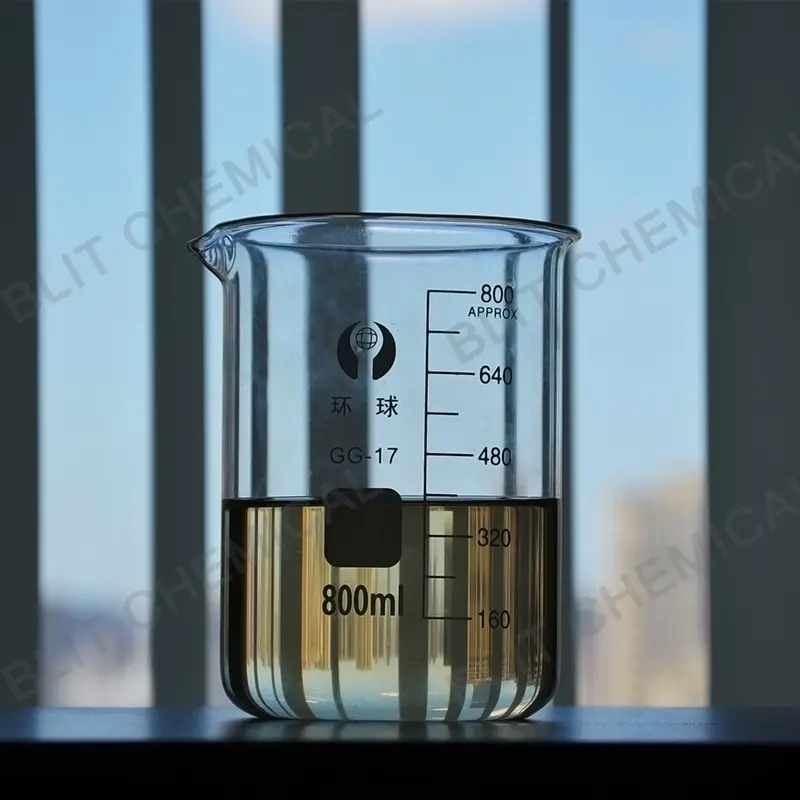
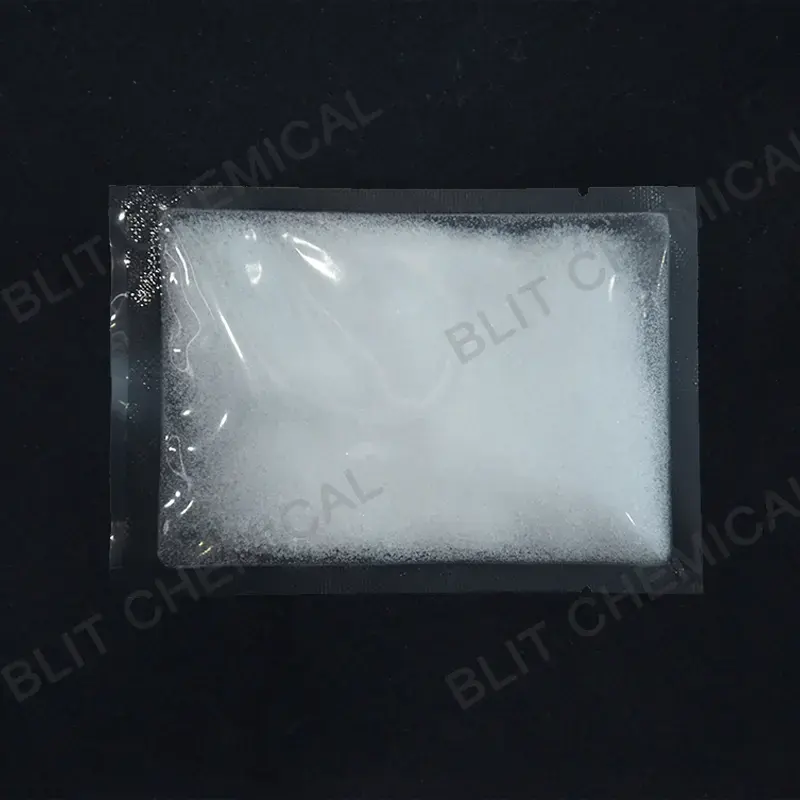
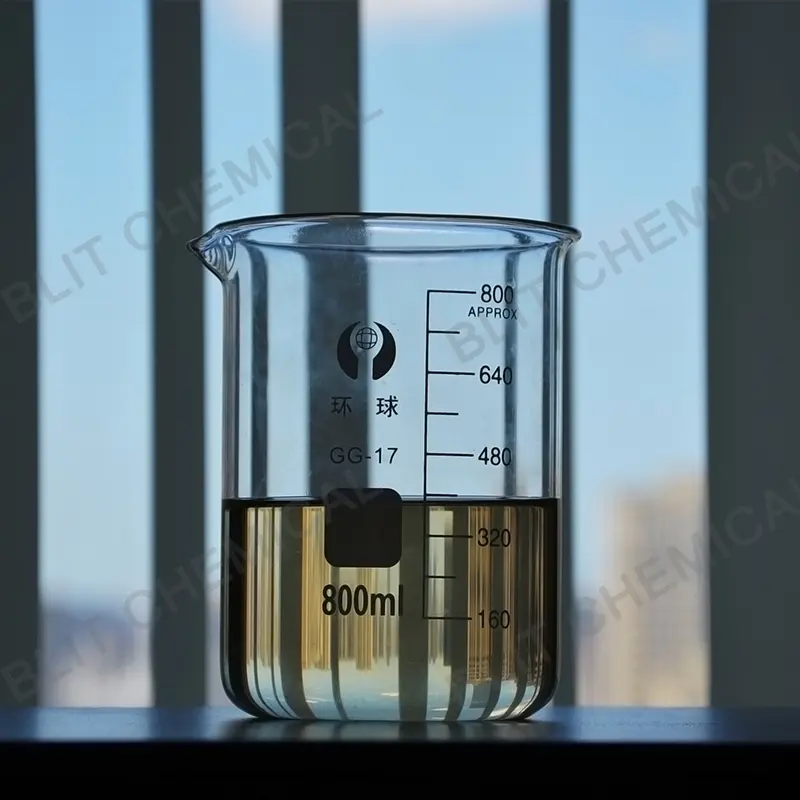
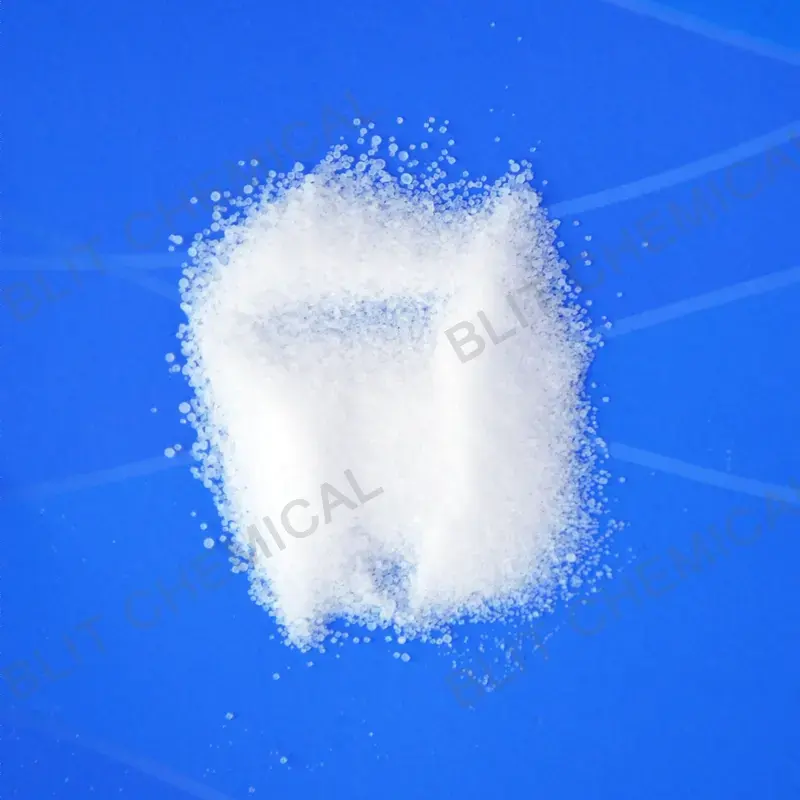
Sodium chlorite (NaClO₂) is a chemical compound that serves primarily as a precursor to the production of chlorine dioxide (ClO₂). It is a highly reactive compound, often found as a white crystalline powder or colorless solution. This compound consists of sodium (Na), chlorine (Cl), and oxygen (O) atoms, and it is unstable in its raw form, requiring activation to produce chlorine dioxide—a powerful oxidizing agent.
The manufacturing of sodium chlorite typically involves the reaction of sodium hydroxide (NaOH) and chlorine gas (Cl₂) in water. This chemical process produces sodium chlorite, which is crucial for various applications, particularly in the fine chemicals industry.
How Does Sodium Chlorite Work?
The primary action of sodium chlorite lies in its ability to generate chlorine dioxide (ClO₂) when activated. The activation process generally involves the addition of an acid, like citric acid or hydrochloric acid. Once activated, the reaction can be expressed as:
NaClO2+H+→ClO2+Na++H2O
This process releases chlorine dioxide, a potent oxidizer widely used in various industries for its disinfecting and bleaching properties. Chlorine dioxide is highly effective at breaking down organic materials, making it an ideal solution for industries that require powerful oxidation reactions.
Why Sodium Chlorite is Essential in Fine Chemicals
In the world of fine chemicals, sodium chlorite is a key player due to its versatile applications. Fine chemicals are high-value, low-volume substances used in specialized processes like pharmaceuticals, agriculture, and electronics. The following are the primary reasons why sodium chlorite is indispensable:
- Essential for Chlorine Dioxide Production
The production of chlorine dioxide is perhaps the most important application of sodium chlorite. Chlorine dioxide is an essential oxidizing agent used in several industries:
- Water Treatment: Chlorine dioxide is preferred over traditional chlorine for municipal water treatment because it does not form harmful byproducts such as trihalomethanes (THMs). It is a safer and more efficient disinfectant, making it crucial for safe drinking water.
- Pulp and Paper Bleaching: In the paper and pulp industry, chlorine dioxide is used for bleaching wood pulp, providing a more environmentally friendly alternative to traditional chlorine-based bleaching agents.
- Food Processing: Chlorine dioxide is also employed as an antimicrobial agent in the food processing industry to sanitize equipment, surfaces, and packaging materials, thus reducing contamination risks.
- Vital for the Synthesis of Fine Chemicals
Sodium chlorite is used as a starting material in the synthesis of several fine chemicals. Its reactivity makes it a valuable precursor in producing organic compounds, particularly those used in pharmaceutical and agricultural applications. For example, sodium chlorite plays a role in synthesizing benzyl alcohol, an essential ingredient in manufacturing fragrances, pharmaceuticals, and solvents.
- Environmental and Safety Benefits
Compared to traditional chlorine-based compounds, sodium chlorite offers multiple environmental and safety advantages. Chlorine dioxide, generated from sodium chlorite, is safer to handle because it avoids the production of chlorine gas, which can be hazardous. Additionally, chlorine dioxide’s strong oxidizing nature allows it to break down a variety of pollutants, making it an eco-friendly option for industries seeking sustainable chemical solutions.
Applications of Sodium Chlorite in Fine Chemicals
Sodium chlorite is used in numerous sectors that require precise chemical reactions and high-quality products. Here are some industries where sodium chlorite proves indispensable:
- Textile Industry: In textile manufacturing, sodium chlorite is sometimes used as a bleaching agent. Its selective bleaching properties make it ideal for treating delicate fabrics like silk and wool without causing damage to the fibers.
- Oil and Gas Industry: The oil and gas sector employs sodium chlorite for drilling fluid treatments and oil recovery operations. Its oxidizing properties help improve the efficiency of these processes, making it valuable in petroleum production.
- Electronics Manufacturing: Sodium chlorite is occasionally used in the electronics manufacturing industry, where it helps clean and decontaminate components without causing corrosion or other damage to sensitive materials.
Challenges and Considerations in Using Sodium Chlorite
Despite its numerous benefits, there are some challenges in handling and using sodium chlorite. The most notable issue is its instability in its raw form. Sodium chlorite must be carefully stored and handled to avoid unwanted reactions. It should be kept in cool, dry conditions, and proper safety protocols must be followed to prevent mishandling.
Furthermore, when activating sodium chlorite to produce chlorine dioxide, precise control over the reaction is necessary. In industrial settings, monitoring the conditions of the activation process ensures the safe production of chlorine dioxide, which can be hazardous in high concentrations.
Conclusion
Sodium chlorite is a vital compound in the fine chemicals industry. It serves as a precursor for producing chlorine dioxide, a powerful oxidizing agent with wide applications in water treatment, bleaching, and sanitization. The reactivity of sodium chlorite and its ability to produce chlorine dioxide make it essential for industries that require precise chemical reactions and environmentally friendly solutions.
As demand for specialized chemicals continues to grow, sodium chlorite will remain an important tool in producing high-quality products. Its environmental benefits, safety advantages, and versatility ensure that sodium chlorite will continue to be a key ingredient in a variety of industrial applications for the foreseeable future.