


Production Methods of Zinc Gluconate (CAS 4468-02-4)
Release time: 2025-11-20
Table of Contents
Zinc gluconate CAS 4468-02-4 is a widely used compound in various industries, particularly in dietary supplements, pharmaceuticals, and cosmetics. Known for its high bioavailability and therapeutic benefits, zinc gluconate is a critical source of zinc in the human diet, as it supports immune function, skin health, and wound healing. This guide delves into the different production methods of zinc gluconate, shedding light on its synthesis, quality control, and industrial relevance.

What is Zinc Gluconate?
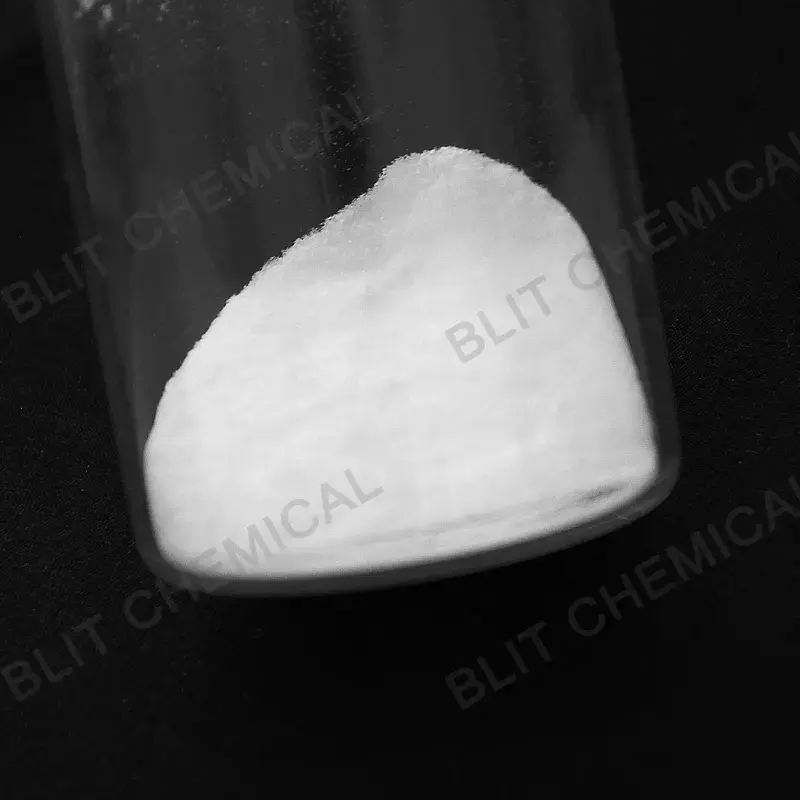
Zinc gluconate is a zinc salt formed by combining zinc with gluconic acid. It is primarily used as a dietary supplement, but its versatility extends to pharmaceuticals, cosmetics, and even food fortification. The chemical formula for zinc gluconate is Zn(C₆H₁₁O₇)₂, and it typically appears as a white crystalline powder soluble in water.
Raw Materials for Zinc Gluconate Production
The production of zinc gluconate requires two main raw materials:
- Zinc (usually in the form of zinc sulfate or zinc oxide)
- Gluconic acid (a naturally occurring organic acid derived from glucose)
These raw materials are key to synthesizing high-quality zinc gluconate. Both must meet stringent quality standards to ensure the final product is pure, effective, and safe for use.
Top 3 Methods for Producing Zinc Gluconate
Several methods are used in the synthesis of zinc gluconate, depending on the available raw materials and the desired purity. Below are the three most common methods for manufacturing zinc gluconate.
1. Direct Synthesis Using Zinc Sulfate and Gluconic Acid
One of the most commonly used methods for producing zinc gluconate involves reacting zinc sulfate (ZnSO₄) with gluconic acid in an aqueous solution. This method is popular due to its simplicity and cost-effectiveness.
Process Steps:
- Preparation of Zinc Sulfate Solution: Zinc sulfate is dissolved in water, forming a clear solution.
- Addition of Gluconic Acid: Gluconic acid is introduced into the solution, and the reaction forms zinc gluconate, along with sulfuric acid as a by-product.
- Neutralization: The sulfuric acid is neutralized using a base, such as sodium hydroxide (NaOH), to adjust the pH.
- Crystallization: The solution is concentrated, and zinc gluconate crystallizes out of the solution.
- Filtration and Drying: The crystals are filtered and dried to produce the final pure zinc gluconate product.
This method is effective for large-scale production and typically yields a high-purity zinc gluconate suitable for supplements and other uses.
2. Synthesis Using Zinc Oxide and Gluconic Acid
An alternative method for synthesizing zinc gluconate is through the reaction of zinc oxide (ZnO) with gluconic acid. This approach is more direct and can be more efficient depending on the available materials.
Process Steps:
- Reaction of Zinc Oxide with Gluconic Acid: Zinc oxide is added to a solution of gluconic acid. The two compounds react to form zinc gluconate, releasing water as a by-product.
- Heating and Stirring: The reaction mixture is heated, and constant stirring is applied to ensure complete dissolution of zinc oxide.
- Crystallization and Purification: After the reaction, the mixture is allowed to cool, and zinc gluconate crystallizes. The product is then filtered, washed, and dried.
This method is often favored for its simple reaction process, which does not require neutralization of by-products like sulfuric acid in the first method.
3. Synthesis Using Zinc Carbonate and Gluconic Acid
In some industrial applications, zinc carbonate (ZnCO₃) is used instead of zinc sulfate or zinc oxide. The reaction of zinc carbonate with gluconic acid results in the formation of zinc gluconate and carbon dioxide gas.
Process Steps:
- Dissolution of Zinc Carbonate: Zinc carbonate is dissolved in an aqueous solution of gluconic acid.
- Reaction: The mixture reacts to form zinc gluconate and CO₂ gas is released.
- Purification: Similar to other methods, the product is purified by filtration and drying.
This method is less common but can be used when zinc carbonate is readily available or when a different reaction pathway is required.
Purity and Quality Control of Zinc Gluconate
Maintaining the purity of zinc gluconate is crucial, particularly when used in dietary supplements and pharmaceuticals. High-quality zinc gluconate should meet the following standards:
- Purity: The product must have a purity of at least 98% to ensure its effectiveness and safety.
- Crystallization Monitoring: Ensuring proper crystallization helps maintain the desired particle size and purity.
- Filtration: Effective filtration removes any unreacted raw materials or by-products.
- Heavy Metal Testing: Zinc gluconate must be tested for toxic heavy metals, such as lead and cadmium, to meet safety standards.
- pH Testing: The final product should have a neutral pH to prevent irritation or adverse reactions.
Applications of Zinc Gluconate
Zinc gluconate plays a significant role in various industries, including:
- Dietary Supplements: Zinc gluconate is commonly used in zinc supplements, providing essential trace minerals to support immune function, skin health, and wound healing.
- Pharmaceuticals: It is an active ingredient in over-the-counter treatments for the common cold and skin conditions like acne.
- Cosmetics: Zinc gluconate’s anti-inflammatory and antimicrobial properties make it ideal for use in skin-care products, particularly in acne treatments and moisturizers.
- Food Fortification: In regions with zinc deficiency, zinc gluconate is used to fortify foods and prevent nutritional deficiencies.
Environmental Considerations in Zinc Gluconate Production
Sustainable production methods are vital to reduce environmental impact. In some synthesis methods, such as when zinc sulfate is used, by-products like sulfuric acid must be managed carefully. Manufacturers must adhere to environmental regulations to minimize waste, ensure safe disposal of chemicals, and reduce emissions.
Conclusion
The production of zinc gluconate CAS 4468-02-4 involves multiple methods, including reactions with zinc sulfate, zinc oxide, and zinc carbonate. Each method has its own benefits and challenges, but all aim to produce high-purity zinc gluconate suitable for dietary supplements, pharmaceuticals, cosmetics, and food fortification. Ensuring quality control, environmental sustainability, and compliance with safety standards is essential in every step of the production process.