


To buy Diethanolisopropanolamine DEIPA 85% CAS 6712-98-7 from manufacturer in China, BLIT Chemical offers competitive price with full product support, including specifications, MSDS, TDS, and COA. For factory-priced DEIPA 85%, contact info@blitchem.com.
Diethanolisopropanolamine DEIPA 85% CAS 6712-98-7
Description
- CAS: 6712-98-7
- Synonyms: DEIPA; Diethanol Isopropanolamine
- Einecs: 229-764-4
- Molecular Formula: C₇H₁₇NO₃
- Grade: 85%
- Package: 200kg/drum or as required
Details
BLIT Chemical supplies Diethanolisopropanolamine (DEIPA) CAS 6712-98-7 as a fine chemical additive mainly used as a raw material for cement grinding aid formulations. As a DEIPA supplier, BLIT Chemical provides Diethanolisopropanolamine with controlled quality specifications for cement additive manufacturers and cement production companies requiring stable performance and continuous supply.
Diethanolisopropanolamine (DEIPA) is an important alcohol amine compound synthesized from diethanolamine and propylene oxide. It is widely used as a new-generation cement grinding aid component and can be applied alone or combined with other additives such as triethanolamine (TEA), triisopropanolamine (TIPA), sodium gluconate, molasses, and lignosulfonate.
Compared with traditional alcohol amine additives, DEIPA is designed to provide balanced grinding efficiency improvement and cement strength enhancement. It can improve cement specific surface area, promote grinding efficiency, improve powder flowability, and support both early-age and later-age cement strength development under suitable formulation conditions.
BLIT Chemical produces DEIPA using advanced external circulation drop-feed reactors and fully automated DCS control systems. The production process provides advantages including high main content, good selectivity, low alcohol ether content, and light product color.
BLIT Chemical focuses on the research, production, and service of cement additives, concrete admixtures, and epoxy derivative fine chemicals. With integrated production capabilities from raw materials to finished products, BLIT Chemical supports customers with stable supply solutions for domestic and international markets.
| Item | Details |
| Product Name | Diethanolisopropanolamine |
| Synonyms | DEIPA; Diethanol Isopropanolamine |
| CAS Number | 6712-98-7 |
| Chemical Formula | C₇H₁₇NO₃ |
| Molecular Weight | 163.22 g/mol |
| EINECS Number | 229-764-4 |
DEIPA 85% Specification
| Item | Specification |
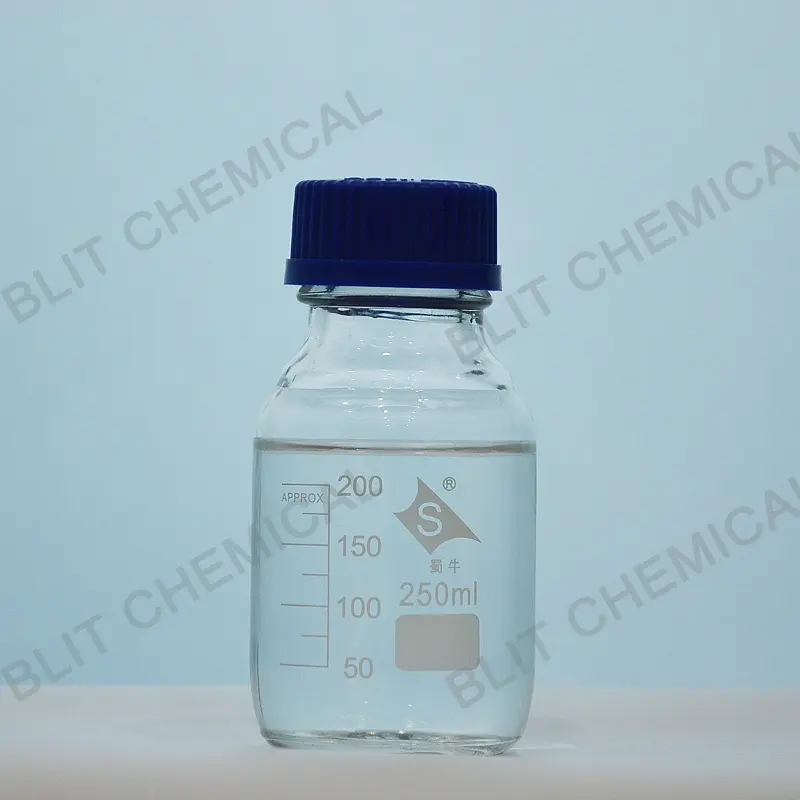
| Appearance | Colorless to light yellow liquid |
| DEIPA Content | ≥85% |
| Water Content | 10-15% |
DEIPA 85% Applications
Cement Grinding Aid Raw Material
Diethanolisopropanolamine (DEIPA) is mainly used as a raw material component for cement grinding aid production.
DEIPA-based grinding aid systems can help:
- Improve cement grinding efficiency
- Increase cement specific surface area
- Reduce grinding energy consumption
- Improve cement powder flowability
- Increase mill productivity under suitable production conditions
The actual performance depends on cement composition, grinding process, and formulation design.
Cement Strength Enhancement
DEIPA can contribute to both early-age and later-age cement strength performance.
Based on application conditions, DEIPA grinding aid systems may help improve:
- 3-day strength performance
- 28-day strength performance
- Cement particle distribution
- Utilization efficiency of supplementary materials
Application tests have shown that DEIPA-based formulations may contribute to:
- 3d strength improvement of approximately 3-5 MPa
- 28d strength improvement of approximately 4-8 MPa
The actual results depend on clinker composition, cement type, and additive formulation.
Application in Different Cement Types
DEIPA can be evaluated in:
- Portland cement
- Ordinary Portland cement
- Composite Portland cement
- Slag Portland cement
- Pozzolanic Portland cement
- Fly ash Portland cement
- High fineness slag powder
Grinding Aid Formulation Compatibility
DEIPA can be used independently or combined with other grinding aid components, including:
- Triethanolamine (TEA)
- Triisopropanolamine (TIPA)
- Sodium gluconate
- Molasses
- Lignosulfonate
Formulators can adjust the ratio according to cement performance requirements and production targets.
BLIT Chemical also supplies other alcohol amine products for cement grinding aid formulations, including Triisopropanolamine (TIPA) and Triethanolamine (TEA). Different alcohol amine materials can provide different performance characteristics in cement grinding systems. DEIPA is commonly selected when customers need balanced improvement in grinding efficiency, early-age strength, and later-age strength performance, while TIPA can provide strong dispersing and grinding aid effects in suitable cement formulations. Customers can select individual products or develop combined formulations according to clinker composition, supplementary materials, and production targets.
Usage Guidelines
Recommended Dosage
When used as an individual grinding aid component:
Recommended dosage: 0.005%-0.03% based on cement weight
When combined with other components, the dosage should be optimized according to application performance.
Addition Method
DEIPA can be added through:
- Cement mill feeding belt
- Pipeline addition to the front chamber of the grinding mill
Accurate measurement and uniform addition are important to maintain consistent grinding aid performance.
Factors Affecting Dosage Selection
The optimum DEIPA dosage depends on:
- Grinding efficiency target
- Clinker mineral composition
- C4AF content
- Supplementary materials type
- Fly ash content
- Slag powder content
- Limestone powder content
- Cement particle size distribution
- Specific surface area
- SO₃ content
Actual application dosage should be determined through laboratory and production trials.
Application Evaluation Before Bulk Production
BLIT Chemical recommends customers evaluate:
- Cement clinker characteristics
- Grinding equipment conditions
- Compatibility with other grinding aid components
- Target cement strength requirements
- Pilot grinding performance
This helps determine the suitable DEIPA dosage and formulation ratio.
Storage & Handling
Store Diethanolisopropanolamine in a cool and dry environment.
Recommended handling:
- Keep containers sealed
- Avoid contamination during transfer
- Use clean equipment
- Protect from extreme temperature conditions
- Follow MSDS handling requirements
Proper storage and handling help maintain product stability during transportation and application.
Packaging
Available packaging:
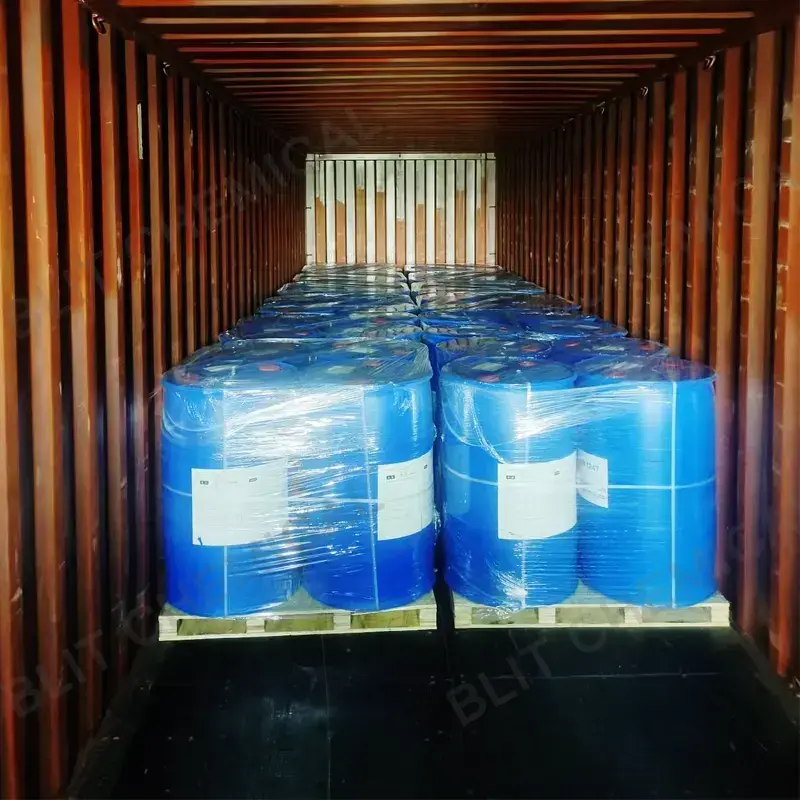
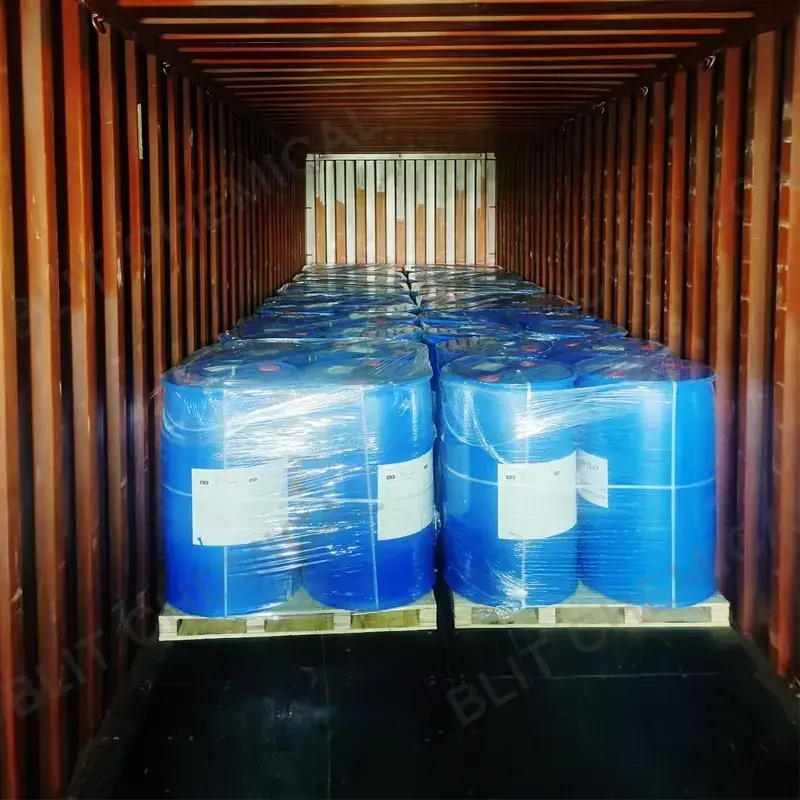
- 200kg drum
- 1000kg IBC
Container loading:
- 200kg drums: approximately 16MT / 20GP
- 1000kg IBC: approximately 20MT / 20GP
Samples are available for quality evaluation and formulation testing.
Sample shipment can be arranged by air courier such as FedEx, DHL, UPS, or other suitable express services depending on destination and shipping requirements.
FAQ
-
Q: How to buy and get more information such as COA, TDS, MSDS?A: You can download the file in Support or contact info@blitchem.com to get it.
-
Q: What kinds of transportation types can you provide?A: We can provide a variety of transportation methods including sea transportation, air transportation, land transportation, express delivery, etc.
-
Q: What is DEIPA used for?A: DEIPA is mainly used in cement grinding aid systems to improve grinding efficiency, cement powder flowability, and cement strength performance.
-
Q: What is the recommended DEIPA dosage in cement?A: The recommended dosage is generally 0.005%-0.03% based on cement weight when used as an individual grinding aid component.
-
Q: What cement types are suitable for DEIPA grinding aid systems?A: DEIPA can be evaluated in Portland cement, slag cement, fly ash cement, composite cement, and other cement systems.
Contact Form
Use our contact form to send us your questions, suggestions or comments. We will respond as soon as possible.
Related Products
-
N,N-Dimethyldodecylamine DMA12 CAS 112-18-5
-
1,4-Butanediol 1,4-BDO CAS 110-63-4
-
Hydroxypinacolone Retinoate HPR CAS 893412-73-2
-
1,3-Diethyl-1,3-diphenylurea CentraliteⅠ CAS 85-98-3
-
Sodium Tungstate Dihydrate CAS 13472-45-2
-
C12-14-alkyldimethyl Amines DMA1270 CAS 84649-84-3
-
Dimethyl Disulfide/DMDS CAS 624-92-0
-

Hydroxyacetophenone CAS 99-93-4