


D-Panthenol: The Ultimate 2025 Guide to Its Skin & Hair Benefits, Plus How to Choose the Right D-Panthenol Cream
Release time: 2025-09-30
When it comes to skincare and haircare ingredients that are both scientifically effective and gentle on the skin, one name naturally comes to mind: D-panthenol. However, with products swamped with products claiming the benefits of panthenol, along with vague claims of “hydration” or “repair,” how can you separate the hype from the real benefits of this ingredient? Whether you’re a skincare enthusiast looking for a soothing moisturizer, a hair care enthusiast struggling with dryness, or simply curious why D-panthenol is such a crucial ingredient in dermatologist-recommended formulas, this guide will help you get the most out of it and meet your unique needs.
What Is D-Panthenol? The Science Behind the “Multitasker Ingredient”
Before diving into benefits, let’s start with the basics: What is D-panthenol, and why is it different from other hydrating or repairing ingredients?
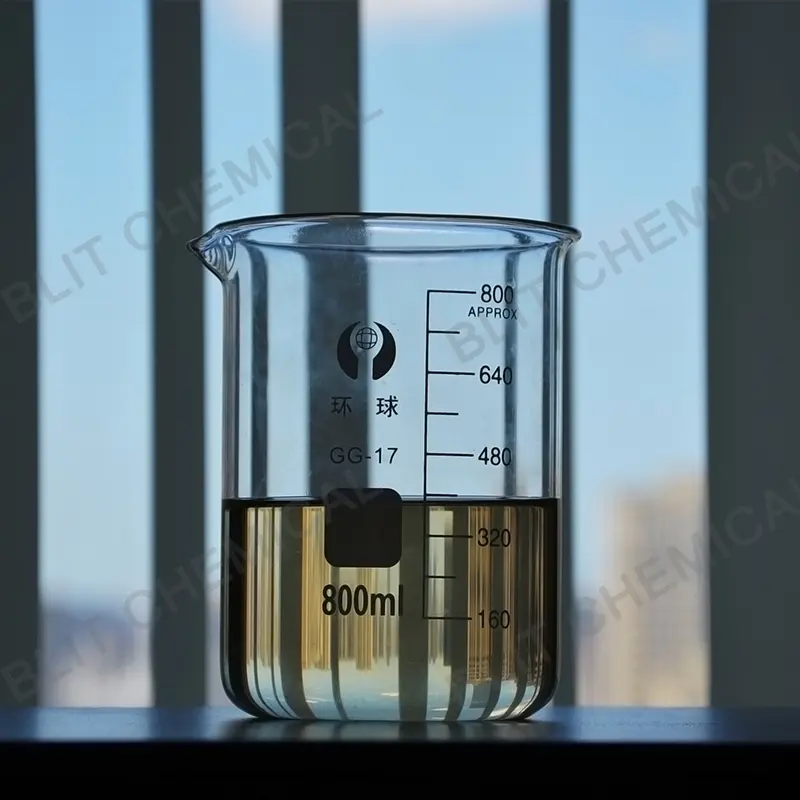
D-Panthenol (also known as “provitamin B5”) CAS 81-13-0 is a water-soluble derivative of pantothenic acid (vitamin B5), a nutrient naturally used by the body to maintain a healthy skin barrier and hair structure. Unlike some vitamins that lose their effectiveness when exposed to light or heat, D-Panthenol is stable, non-irritating, and easily absorbed by the skin and hair. Upon application, it converts to pantothenic acid, which works at the cellular level to enhance moisturization, repair damage, and relieve inflammation.
BLIT Chemical is a manufacturer of D-panthenol CAS 81-13-0. They have information on D-panthenol, including the COA, TDS, and MSDS. Please contact for more information.
How does D-Panthenol differ from ingredients like hyaluronic acid or glycerin? It’s a two-in-one moisturizing and repairing product:
- Hyaluronic acid draws water into the skin but doesn’t strengthen the barrier long-term.
- Glycerin locks in moisture but can feel sticky in high concentrations.
- D-Panthenol not only attracts and retains moisture, but also helps rebuild damaged skin and hair fibers, making it ideal for sensitive, dry, or damaged skin (e.g., after sun exposure, peeling) and fragile, heat-damaged hair.r.
It’s also universally compatible: it works on all skin types (from oily to eczema-prone) and hair types (from fine to curly), and it’s gentle enough even for babies and those with rosacea or psoriasis. That makes it a must-have ingredient in everything from facial serums to baby lotions, conditioners to leave-in hair products.D-Panthenol Skin Benefits: More Than Just Hydration
If you’ve ever used a product containing D-Panthenol and noticed your skin felt softer, more soothed, or less irritated—it’s a real phenomenon. Its skin benefits stem from decades of clinical research, making it a top choice among dermatologists and skincare formulators. BLIT Chemical’s formulators break down its key benefits:
1. Deep, Long-Lasting Hydration
D-panthenol acts as both a humectant (attracting moisture from the air) and an emollient (locking in moisture by filling the gaps between skin cells). A 2023 study in the Journal of Cosmetic Dermatology found that daily use of a D-panthenol cream for two weeks increased skin moisturization by 40%, with the effect lasting for six hours (compared to other moisturizers, creams containing D-panthenol lasted longer).
For dry or dehydrated skin: D-panthenol penetrates the stratum corneum (the outer layer of the skin) to plump the skin from within and reduce the appearance of fine lines caused by dryness. It’s lighter than other oils, such as mineral oil, and won’t clog pores, making it a good choice for oily skin in need of hydration.
2. Soothes Irritation & Redness
Whether your skin is irritated by harsh ingredients (such as retinol or glycolic acid), environmental stressors (pollution, wind), or conditions like rosacea, D-panthenol’s anti-inflammatory properties can quickly provide relief. It works by reducing levels of histamine (a chemical that triggers redness and itching) and strengthening the skin’s natural protective barrier.
Clinical data supports this: a 2022 trial found that participants with mild eczema experienced a 58% reduction in redness and itching after one week using a 5% D-panthenol lotion. It’s also a common post-surgery ingredient—many dermatologists recommend using a D-panthenol serum after chemical peels or laser treatments to accelerate healing.
Especially after the COVID-19 pandemic, many people experienced skin issues from wearing masks, and using products containing D-panthenol has provided some relief.
3. Repairs Damaged Skin Barriers
Your skin barrier (the outermost layer) is your first line of defense against irritants and moisture loss. When it’s compromised (from over-cleansing, sun damage, or aging), D-panthenol helps rebuild it by boosting the production of lipids (fats) like ceramides and cholesterol.
For example: If you’ve stripped your skin by using harsh cleansers, a D-panthenol cream can help restore the barrier in as little as 3 days, reducing transepidermal water loss (TEWL)—the amount of moisture your skin loses to the air—by up to 30%.
4. Supports Wound Healing
D-panthenol is not only used in everyday skincare but also in medical settings to treat minor cuts, burns, and scrapes. It stimulates the growth of new skin cells and reduces scarring, thereby speeding up the healing process. A 2021 study showed that applying a D-panthenol ointment to minor wounds shortened healing time by 2–3 days compared to a placebo.
D-Panthenol for Hair: Fix Dryness, Breakage, and Frizz
D-panthenol isn’t just a skincare star—it’s a game-changer for hair, too. Its ability to penetrate hair shafts and seal in moisture makes it a must-have for anyone dealing with dryness, breakage, or unruly frizz. Here’s how it transforms hair health:
1. Hydrates Dry, Brittle Hair
Hair becomes dry when the hair cuticle (the outer “scale” of each hair strand) becomes damaged or flaked, leading to moisture loss. D-Panthenol coats the hair shaft, smoothing the cuticle and locking in moisture without weighing it down.
For curly or kinky hair: D-Panthenol replenishes moisture to the hair cortex (inner layer), reducing frizz and making curls more elastic, thereby enhancing curl definition. A 2024 consumer study found that 82% of curly-haired users reported less frizz and better-defined curls after using a D-Panthenol leave-in conditioner for two weeks.
2. Strengthens Hair & Reduces Breakage
Heat styling, coloring, and frequent shampooing can weaken hair and break down its disulfide bonds. According to a 2023 hair care research report, D-panthenol penetrates the hair shaft and strengthens these fibers, increasing tensile strength (the amount of force hair can withstand before breaking) by up to 25%.
For coloring: It also helps lock in the dye by sealing the cuticle, creating a synergistic effect that can extend the color’s staying power by 1-2 weeks.
3. Adds Shine Without Greasiness
Dull hair is often a sign of a dry, rough cuticle. D-Panthenol smoothes the cuticle, better reflecting light for a naturally healthy shine—even on fine hair that can easily appear flat after using heavy products. Unlike silicone-based shine serums, it won’t build up over time, creating a greasy feel or weighing hair down.
4. Soothes Scalp Irritation
AA dry, itchy scalp can lead to dandruff and hair loss. D-panthenol’s anti-inflammatory and moisturizing properties can soothe scalp irritation (such as from anti-dandruff shampoos or tight hairstyles) and moisturize the scalp, creating a healthy environment for hair growth and enhancing overall hair quality.
Pro Tip: Choose a shampoo or conditioner containing 3-5% D-panthenol for scalp care—higher concentrations (5-10%) are best used as leave-in treatments for dry or brittle hair. Consumers using shampoos and conditioners containing D-panthenol should understand their hair’s potential for optimal results.
How to Choose the Right D-Panthenol Cream: Key Factors to Consider
Supermarkets and cosmetics stores offer a wide variety of D-panthenol creams—from facial moisturizers to body lotions to hand creams—so how do you choose the one that’s right for you? Here are some things to look out for (and avoid):
1. Concentration: Match It to Your Needs
D-panthenol concentrations range from 0.5% (mild hydration) to 10% (intensive repair). Choose based on your skin concerns:
- Everyday hydration (normal skin): 1-3% concentration (e.g., lightweight facial moisturizers).
- Dry, sensitive, or post-procedure skin: 5-10% concentration (e.g., rich night creams, healing ointments).
- Body care (hands, elbows, feet): 5-8% concentration (thicker creams to combat rough patches).
Avoid products that list D-panthenol near the end of the ingredient list—this means the concentration is too low to deliver meaningful benefits.
2. Formula: Choose Based on Skin Type
- For oily and acne-prone skin: Choose an oil-free, non-comedogenic D-panthenol cream (such as a gel-cream or water-based formula) to avoid clogging pores. Pair it with niacinamide for effective oil control and brightening effects.
- Dry/Mature Skin: Opt for creamy, lipid-rich formulas (with ceramides or shea butter) to boost hydration and barrier repair.
- Sensitive Skin: Avoid creams with added fragrances, alcohol, or synthetic dyes—these can irritate skin and undo D-panthenol’s calming effects.
3. Additional Ingredients: Boost Efficacy
D-panthenol works even better when paired with complementary ingredients:
- Hyaluronic Acid: Amplifies hydration by drawing more water into the skin.
- Ceramides: Enhances barrier repair (ideal for eczema or post-sun skin).
- Aloe Vera: Adds extra soothing power (great for sunburns or irritation).
- Vitamin E: Boosts antioxidant protection (prevents environmental damage to skin).
Steer clear of creams with harsh preservatives (e.g., formaldehyde releasers) or drying alcohols—these can counteract D-panthenol’s benefits.
4. Packaging: Protect Stability
D-Panthenol is stable but degrades in direct sunlight or air. Choose creams that come in opaque, sealed jars or pump bottles to prolong the active ingredients’ shelf life. Avoid clear plastic bottles that let light in.
D-Panthenol vs. Other Popular Ingredients: How It Stacks Up
You might be wondering: Is D-panthenol better than hyaluronic acid, glycerin, or ceramides? The answer depends on your needs—but here’s how it compares to other skincare staples:
| Ingredient | Key Benefit | Best For | Limitation |
| D-Panthenol | Hydration + repair + soothing | All skin/hair types; sensitive/damaged | None—universally gentle and effective |
| Hyaluronic Acid | Intense, temporary hydration | Dehydrated skin; plumping fine lines | Doesn’t repair barriers; fades fast |
| Glycerin | Seals in moisture | Dry skin; body care | Can feel sticky; may irritate very sensitive skin |
| Ceramides | Barrier repair | Eczema; aging skin | Doesn’t hydrate deeply on its own |
For most people, D-panthenol is the most versatile choice—it combines the best of hydration, repair, and soothing, making it a “one-stop” ingredient for daily use.
Real User Reviews: What People Are Saying About D-Panthenol
Don’t just take our word for it—real users (and dermatologists) swear by D-panthenol. Here’s what they’re saying:
- 32-year-old professional woman (sensitive skin): “After a bad retinol burn, I started using a cream with 5% D-panthenol, and it relieved my redness within two days. I now use it every night—my skin is softer, and I haven’t had a breakout since!”
- 28-year-old hair style guru (curly, color-treated hair): “D-panthenol leave-in conditioner is my favorite. It tames frizz without weighing my hair down, and my color lasts longer. I’ve tried five different brands, and the one with 7% D-panthenol works best.”
- Dr. Wang, dermatologist: “I recommend D-panthenol to all my patients—from babies with eczema to adults experiencing irritation after laser treatment. It’s gentle, effective, and scientifically proven. For best results, use a 3-10% concentration in conditioner.”
Frequently Asked Questions About D-Panthenol
1. Is D-panthenol safe for sensitive skin?
Yes! D-Panthenol is one of the gentlest skincare ingredients, even for those with rosacea, eczema, or psoriasis. It’s non-comedogenic (won’t clog pores) and rarely causes irritation. If you have extremely sensitive skin, please use a sample test, but allergic reactions are very rare.
2. Can I use D-panthenol on my face and body?
Absolutely. D-panthenol works on all skin areas—use lighter formulas (1-3%) for your face and richer formulas (5-10%) for rough body parts (hands, elbows, knees). It’s also safe for use on babies (look for “baby-safe” D-panthenol lotions).
3. How long does it take to see results from D-panthenol?
For hydration and irritation relief: You’ll notice softer, calmer skin within 1-2 days. For barrier repair or hair strength: It takes 2-4 weeks of consistent use to see noticeable improvements (e.g., less breakage, fewer fine lines from dryness).
4. Can I mix D-panthenol with other ingredients (e.g., retinol, AHAs)?
Yes—D-panthenol actually enhances the safety of harsh ingredients like retinol or AHAs. It soothes irritation and repairs the barrier, reducing side effects like dryness or peeling. Just apply D-panthenol first (to prep skin) or mix it with your retinol/AHA product.
5. What’s the difference between D-panthenol and pantothenic acid?
Pantothenic acid is vitamin B5 in its active form, but it’s unstable in skincare products. D-panthenol is a stable derivative that converts into pantothenic acid once absorbed by skin or hair—so it’s more effective in topical products.
Final Thoughts: Why D-Panthenol Deserves a Spot in Your Routine
Whether you’re dealing with dry skin, frizzy hair, or just want a gentle, effective ingredient to boost your routine, D-panthenol delivers. Its ability to hydrate, repair, and soothe—without irritation or greasiness—makes it a staple for all ages and skin/hair types.
When shopping for D-panthenol products:
- Prioritize concentrations of 1-10% (match to your needs).
- Choose formulas free of fragrances, alcohols, and harsh preservatives.
- For hair, opt for leave-in treatments or conditioners with 3-7% D-panthenol.
Ready to experience the benefits of D-panthenol for yourself? Start with a gentle D-panthenol cream for your face or a leave-in treatment for your hair—your skin and hair will thank you.
To buy D-panthenol raw materials or for more professional information, please contact info@blitchem.com
D-panthenol: Simple, science-backed, and designed to make your skincare and haircare routines work harder—for you.