
Language

Current Language
    Change Language
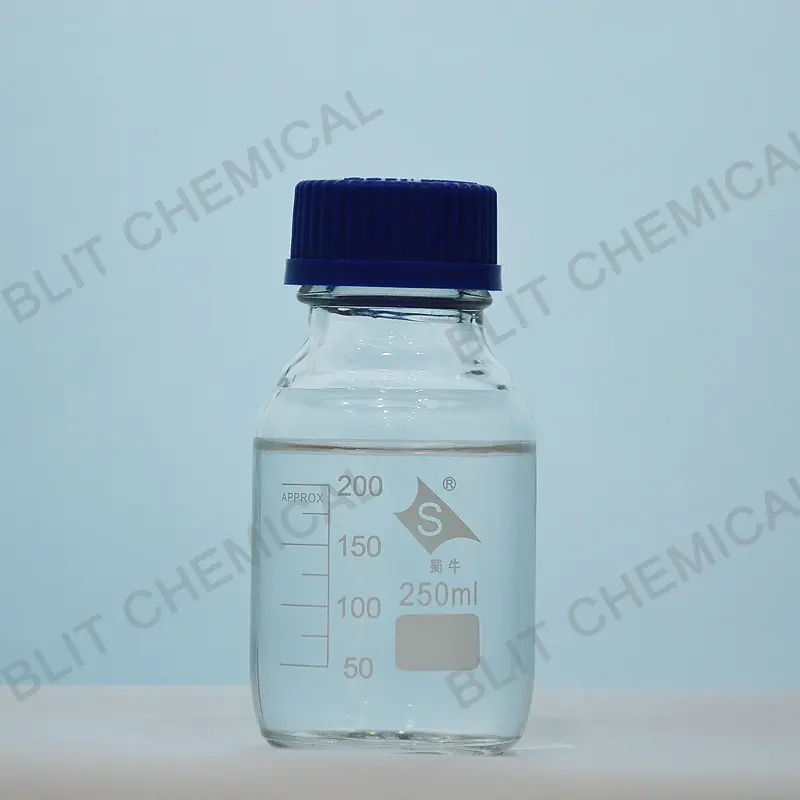
    • High-purity Carbohydrazide (CAS 497-18-7) from BLIT Chemical — oxygen scavenger, corrosion inhibitor, and polymer stabilizer with excellent reducing performance and reliable quality.

    Carbohydrazide CAS 497-18-7 oxygen scavenger

    Description

    To buy Carbohydrazide (CAS 497-18-7) oxygen scavenger from reliable manufacturer in China at factory price, BLIT Chemical supplies competitive price with support including COA, MSDS, and TDS. For inquiries, contact: info@blitchem.com

    • CAS: 497-18-7
    • Synonyms: Carbonic dihydrazide; 1,3-Diaminourea,oxygen scavengers
    • Einecs: 207-837-2
    • Molecular Formula: CH6N4O
    • Grade: 99%
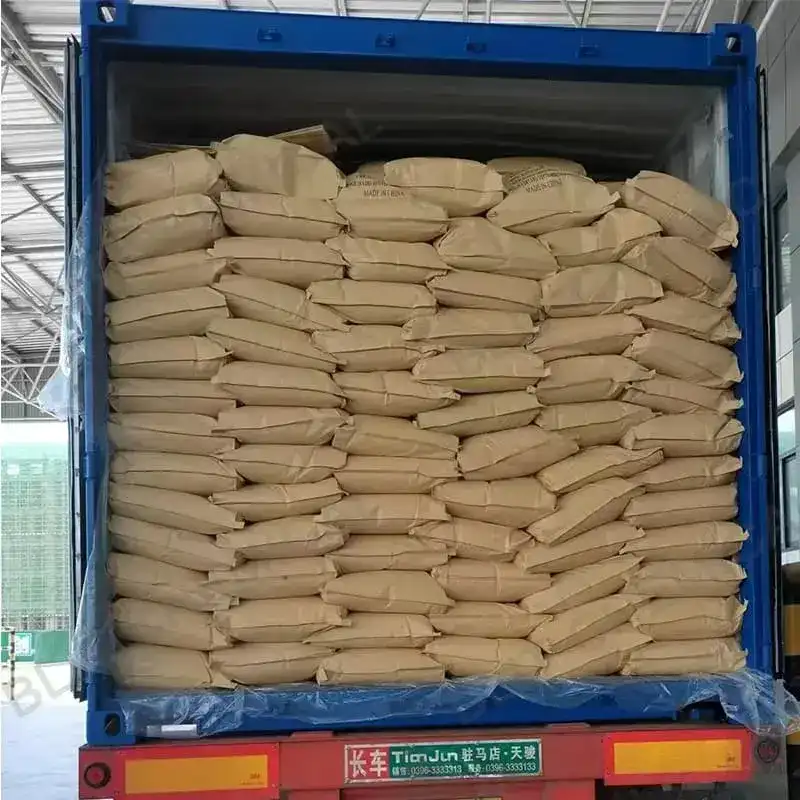
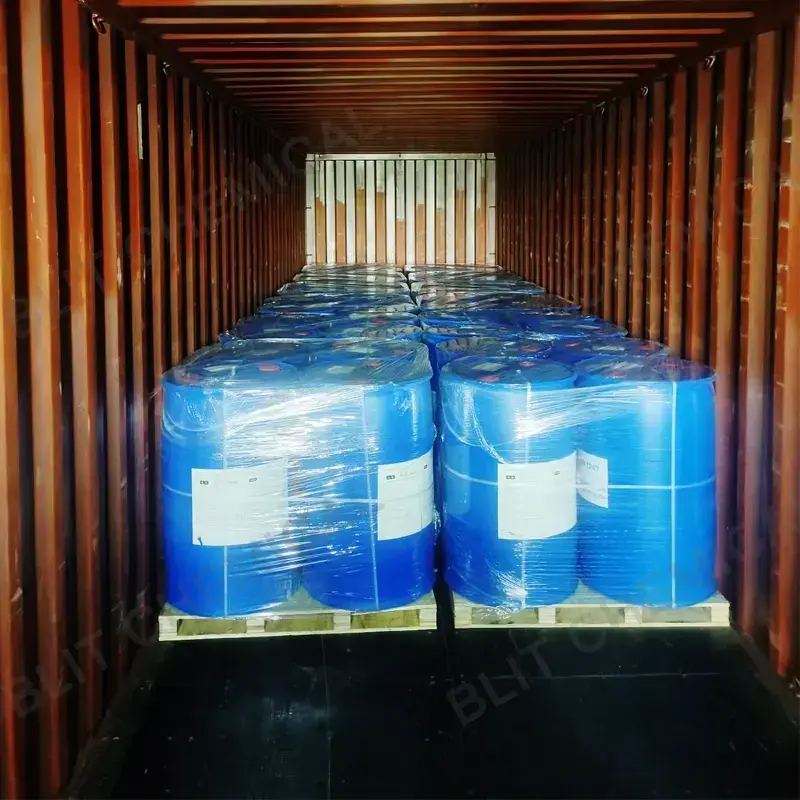
    • Package: 25kg/drum or as required
    Inquire Now
    Share:

    Details

    BLIT Chemical is a high-quality Carbohydrazide (CAS 497-18-7)supply, a white crystalline solid primarily used as an oxygen scavenger in boiler water treatment and as a reducing agent in organic synthesis. With strong antioxidant and corrosion inhibition properties, it effectively prevents metal oxidation in high-pressure systems. Carbohydrazide also serves as a curing agent for epoxide resins and a stabilizer for soaps, cosmetics, and polymers. BLIT Chemical guarantees consistent quality and offers competitive factory-direct pricing for industrial applications worldwide.

    AppearanceWhite crystalline powder
    Assay (Carbohydrazide)≥ 99.0%
    Melting Point152–154°C
    Water Content≤ 0.5%
    pH (1% solution)7.0–9.0
    Ash≤ 0.05%

    The content of free hydrazine is a key indicator of the quality of carbohydrazide. The free hydrazine content of carbohydrazide manufactured by BLIT CHEMICAL is controlled below 300PPM. It appears as a white crystalline powder, which is far superior to the quality of carbohydrazide produced by other factory.

    Compared to traditional oxygen scavengers, carbohydrazide offers several advantages in boiler systems: it not only provides excellent protection against oxygen-induced corrosion but also effectively passivates the feedwater and boiler system. Furthermore, unlike hydrazine, carbohydrazide is non-volatile and does not leave the boiler with the steam, yet it still effectively removes oxygen and passivates metals throughout the system.

    The reaction mechanism of carbohydrazide with dissolved oxygen is as follows:

    CON₄H₆ + 2O₂ → 2N₂ + 3H₂O + CO₂

    According to this reaction, 0.5 moles of carbohydrazide are consumed for every 1 mole of oxygen removed. In practice, an excess amount is often added to ensure complete oxygen removal. Carbohydrazide performs best in the temperature range of 87.8-176.7°C, making it suitable for most industrial boiler systems.

    Pharmaceutical industry applicationsIn the pharmaceutical industry, carbohydrazide is a key intermediate in the synthesis of numerous drugs and medicinal compounds. Its ability to form complexes with metal ions and participate in a variety of chemical reactions makes it of great value in drug research and development.

    Metal plating and surface treatment applications:In the field of metal electroplating, carbohydrazide, particularly in electroless plating, plays a vital role. Its strong reducing properties make it suitable for metal deposition processes, promoting the reduction and deposition of metal ions on substrate surfaces.

    In electroless nickel plating, carbohydrazide acts as a reducing agent, helping to form high-quality nickel coatings. These coatings possess excellent solderability, conductivity, corrosion resistance, and solderability, making them an indispensable key material in electronic device manufacturing.

    Carbohydrazide can also be used in substrate-catalyzed electroless gold plating. This novel gold plating formulation, using carbohydrazide (or hydrazine) as a reducing agent, offers advantages such as high initial deposition rates (up to 10μm/h), excellent bath stability, and long service life.

    Beyond electroplating, carbohydrazide can also be used as a corrosion inhibitor and passivating agent in metal surface treatment. It forms a protective layer on metal surfaces, effectively reducing the corrosion rate in a variety of environments, and is particularly effective in oil refining equipment.

    Many studies have also shown that carbohydrazide derivatives can serve as corrosion inhibitors for mild steel in acidic environments. For example, the corrosion inhibition efficiency of halogenated oxoquinoline carbohydrazide N-phosphonate derivatives can reach 93% at extremely low concentrations (0.48 mmol/L).

    Application in polymer chemistry:As a curing agent for epoxy resins, it forms crosslinks between polymer chains, thereby improving the material’s mechanical properties and thermal stability.

    It is used as a heat stabilizer during polymer processing, preventing polymer degradation during high-temperature processing and ensuring the desired properties of the final product.

    In the textile industry, it can be used as a crosslinker for elastic fibers, utilizing its ability to form covalent bonds with polymer chains to enhance the fiber’s elasticity and durability.

    Recommended dosage varies based on application: typically 50–200 ppm as an oxygen scavenger in water treatment systems.

    For resin curing or chemical synthesis, use according to process-specific formulation requirements. Compatible with most neutral or slightly alkaline systems.

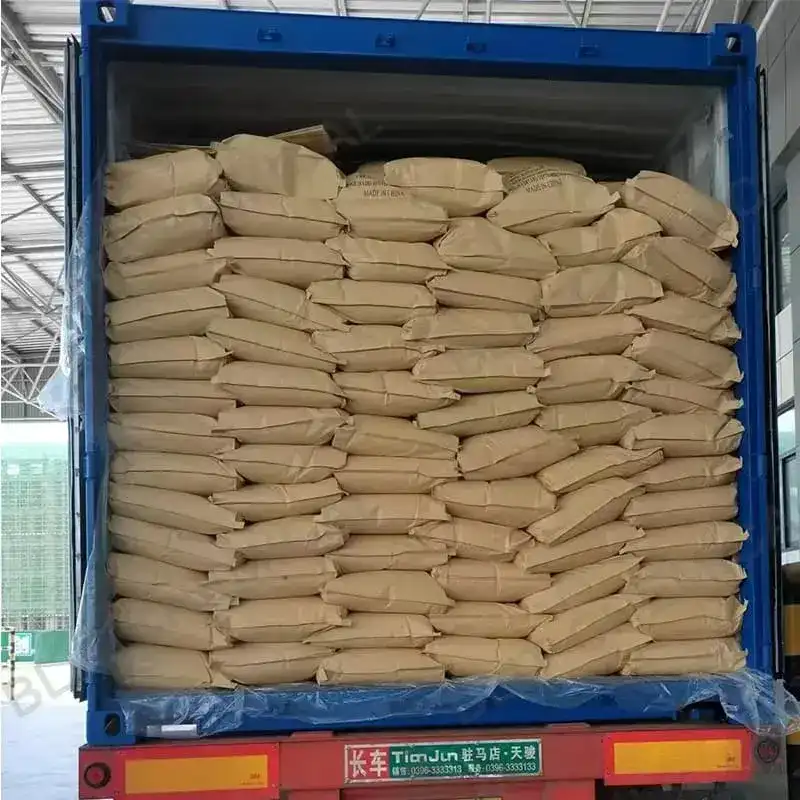
    Available in 25 kg fiber drums or custom packaging as required.

    FAQ

    • Q: How to buy and get more information such as COA, TDS, MSDS?
      A: You can download the file in Support or contact info@blitchem.com to get it.
    • Q: What kinds of transportation types can you provide?
      A: We can provide a variety of transportation methods including sea transportation, air transportation, land transportation, express delivery, etc.
    • Q: Is Carbohydrazide safe to use?
      A: When handled properly, Carbohydrazide is safe for industrial use. Avoid inhalation and skin contact, and store it in dry, ventilated conditions.
    • Q: Can BLIT Chemical provide technical documentation for Carbohydrazide?
      A: Yes, BLIT Chemical provides full documentation support including COA, MSDS, and TDS upon request.
    • Q: What is Carbohydrazide used for?
      A: Carbohydrazide is primarily used as an oxygen scavenger in boiler systems and as a reducing agent in organic synthesis and polymer processing.
    • Q:
      A:

    Contact Form

    Use our contact form to send us your questions, suggestions or comments. We will respond as soon as possible.