

Comprehensive Guide to Linear Alkyl Benzene Sulphonic Acid (LABSA CAS 27176-87-0)
Release time: 2026-05-08
In the dynamic world of industrial chemicals and surfactant manufacturing, few compounds hold as much importance as Linear Alkyl Benzene Sulphonic Acid, widely recognized by its acronym LABSA and its registry number, CAS 27176-87-0. As the backbone of the global synthetic detergent industry, this highly effective anionic surfactant has revolutionized how we approach cleaning, manufacturing, and chemical processing.
Whether you are a procurement manager sourcing raw materials or a formulation chemist looking to optimize your product line, understanding the physical properties, applications, and market advantages of LABSA is crucial. This comprehensive guide will delve into everything you need to know about this indispensable chemical.
What is Linear Alkyl Benzene Sulphonic Acid (LABSA)?
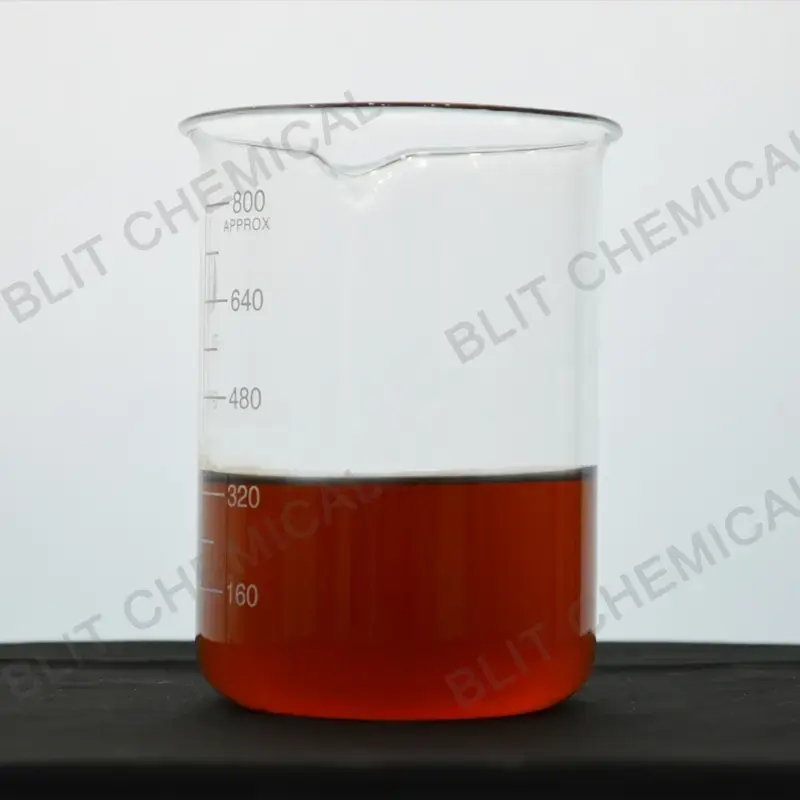
Linear Alkyl Benzene Sulphonic Acid (LABSA CAS 27176-87-0) is a high-volume synthetic anionic surfactant. It is produced through the sulfonation of linear alkylbenzene (LAB), typically using sulfur trioxide or sulfuric acid. In its raw form, LABSA appears as a dark brown, viscous liquid with a distinct, slightly pungent odor.
The chemical structure of LABSA features a hydrophilic (water-attracting) sulfonate group and a hydrophobic (water-repelling) linear alkyl chain. This dual nature is what makes it an exceptional surface-active agent. By lowering the surface tension of water, it allows for the effective emulsification, dispersion, and suspension of oils, dirt, and particulates. Notably, the “linear” aspect of its molecular chain makes it highly biodegradable compared to its branched predecessors, cementing its status as an environmentally conscious choice in modern formulations.
Key Properties of LABSA CAS 27176-87-0
To understand why LABSA dominates the surfactant market, we must look at its core chemical and physical properties:
- Exceptional Detergency: LABSA exhibits outstanding cleaning power, easily lifting stubborn fats, greases, and particulate soils from a wide variety of surfaces.
- High Foaming Capacity: It generates a rich, stable foam, which is highly desirable in consumer cleaning products like dishwashing liquids and car wash soaps.
- Cost-Effectiveness: Due to mature production technologies and economies of scale, LABSA remains one of the most economical surfactants available globally.
- Versatile Compatibility: It can be easily neutralized with various bases (such as sodium hydroxide, potassium hydroxide, or alkanolamines) to form different salts, most commonly Sodium Alkylbenzene Sulfonate (LAS), tailoring it to specific industrial needs.
Major Industrial Applications of LABSA
The versatility of Linear Alkyl Benzene Sulphonic Acid (LABSA CAS 27176-87-0) allows it to penetrate multiple industries, extending far beyond simple household cleaners.
1. Household and Commercial Detergents
The most prominent use of LABSA is in the formulation of both liquid and powder detergents. Because of its aggressive soil-removal capabilities, it serves as the primary active ingredient in:
- Heavy-duty laundry powders and liquid detergents.
- Dishwashing liquids and degreasers.
- Industrial surface and floor cleaners. Its ability to perform effectively in both hard and soft water environments makes it universally applicable for global detergent brands.
2. Textile and Dyeing Industry
In the textile sector, preparation is key to a flawless final product. LABSA acts as a powerful wetting agent and emulsifier during the scouring and bleaching processes. It helps remove natural oils, waxes, and impurities from raw fibers (like cotton and wool), ensuring that dyes and finishes penetrate evenly into the fabric.
3. Agricultural Chemicals
Agrochemical formulations heavily rely on surfactants to improve the efficacy of active ingredients. LABSA is utilized as an emulsifier in the production of pesticides, herbicides, and fungicides. By lowering the surface tension of the spray solutions, it ensures that the agricultural chemicals spread uniformly across the leaves of crops, maximizing absorption and minimizing runoff.
4. Construction and Leather Tanning
Beyond cleaning and agriculture, LABSA finds niche but vital uses in the construction industry as a coupling agent and aerating agent in concrete formulations. In the leather tanning industry, it is employed as a degreasing agent to prepare animal hides for tanning, ensuring a clean, uniform finish.
Environmental Impact and Biodegradability
Historically, the detergent industry relied on branched alkylbenzene sulfonates (BAS), which were notorious for their poor biodegradability, leading to severe foam pollution in natural waterways. The shift to Linear Alkyl Benzene Sulphonic Acid was a monumental step forward for environmental sustainability.
Because of its straight-chain structure, LABSA is rapidly and completely broken down by microorganisms in wastewater treatment plants and natural ecosystems. It meets stringent international environmental standards for biodegradability, allowing manufacturers to produce powerful cleaning agents that do not leave lasting ecological footprints.
Handling, Storage, and Safety Guidelines
بينما LABSA CAS 27176-87-0 is an industry staple, it is fundamentally a strong organic acid and must be handled with appropriate care:
- معدات الحماية الشخصية (PPE): Workers should wear chemical-resistant gloves, safety goggles, and protective clothing to prevent skin and eye contact, as the raw acid is highly corrosive.
- Storage Conditions: It should be stored in cool, dry, and well-ventilated areas, away from direct sunlight and incompatible materials like strong oxidizing agents. Storage tanks are typically made of stainless steel or lined with acid-resistant plastics like HDPE.
- Neutralization: In most commercial applications, LABSA is not used in its acidic form. It must be accurately neutralized to a specific pH level before compounding into consumer goods.
Why Source High-Quality LABSA?
The purity of your LABSA directly impacts the quality of your final products. Impurities or unconverted oils in low-grade LABSA can lead to phase separation in liquid detergents, undesirable odors, and reduced cleaning efficiency. Partnering with a reliable chemical supplier ensures consistent active matter content (typically 96% minimum), strict adherence to the CAS 27176-87-0 standard, and stabilized formulations that elevate your brand’s reputation.