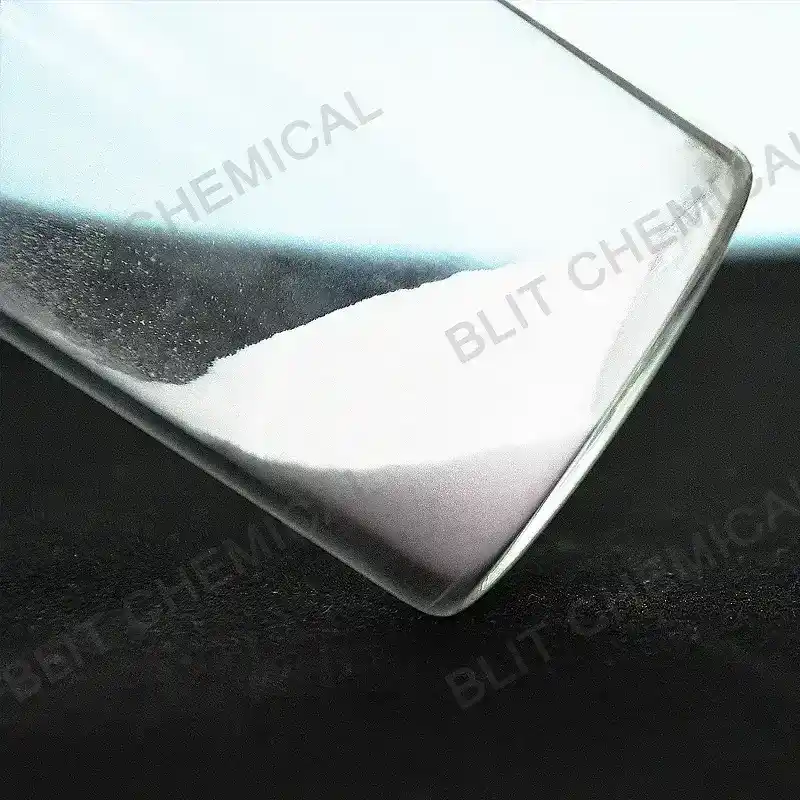



Tranexamic Acid for Skin: The Science, Benefits, and How It Transforms Your Complexion
Release time: 2025-11-03

What Is Tranexamic Acid?
Tranexamic acid is a synthetic derivative of the amino acid lysine. Originally developed as a hemostatic agent to stop excessive bleeding, it has gained remarkable attention in dermatology for its powerful skin-brightening and pigmentation-correcting properties. In recent years, it has become one of the most promising non-hydroquinone agents for managing hyperpigmentation, melasma, and post-inflammatory dark spots.


Unlike many harsh whitening agents, tranexamic acid works gently yet effectively, making it suitable for daily skincare use and for individuals with sensitive skin. It is water-soluble, stable, and compatible with most cosmetic formulations.
At BLi-T (Hefei) Chemical Co., Ltd., we supply high-purity tranexamic acid for cosmetic and pharmaceutical applications worldwide. For inquiries or formulations support, contact us at info@blitchem.com.
How Does Tranexamic Acid Work on the Skin?
The mechanism of tranexamic acid in skin is both unique and multi-layered. Its primary action involves inhibiting the plasminogen activation pathway in the skin. By reducing plasmin activity, it prevents the inflammatory cascade that leads to excess melanin production.

In simpler terms, tranexamic acid reduces the “signal” that triggers pigmentation. This not only fades existing dark spots but also prevents new ones from forming. Research has shown that topical use of tranexamic acid can significantly reduce melasma intensity after consistent use for 8–12 weeks.

Mechanism Summary
- Inhibits melanin overproduction by suppressing plasminogen conversion
- Calms inflammation that can worsen pigmentation
- Strengthens the skin barrier, reducing susceptibility to discoloration
- Improves microcirculation, leading to an even, radiant complexion
This combination of anti-inflammatory and melanin-regulating effects makes tranexamic acid an intelligent choice for those seeking a luminous, even skin tone.
Benefits of Tranexamic Acid for Skin
The benefits of tranexamic acid extend far beyond brightening. Here are its key effects:
1. Reduces Dark Spots and Hyperpigmentation
Tranexamic acid helps fade discoloration caused by UV damage, acne scars, or hormonal fluctuations. It works well for both epidermal and dermal melasma.

2. Brightens Dull Complexion
By regulating melanin synthesis, tranexamic acid gives the skin a visibly brighter and more translucent appearance without irritation.
3. Improves Uneven Skin Tone
It targets patchy pigmentation and promotes overall balance, creating a uniform complexion over time.
4. Soothes Inflammation
Because of its anti-inflammatory properties, tranexamic acid can calm redness, sensitivity, and irritation often seen with other brightening ingredients.

5. Enhances Barrier Function
It improves the skin’s natural defense mechanism, preventing environmental triggers that cause darkening and dullness.
How to Use Tranexamic Acid in Skincare
Formulators and skincare enthusiasts can incorporate tranexamic acid into a variety of products:
- Serums and essences for concentrated treatment
- Cleansers and toners for daily use
- Creams and lotions for sustained hydration and brightness
- Sheet masks and ampoules for intensive care
Recommended Concentration
- Topical skincare: 2%–5% for daily brightening products
- Professional treatments: up to 10% (under dermatologist supervision)
Application Tips
- Apply once or twice daily after cleansing and before moisturizing
- Always pair with broad-spectrum sunscreen to enhance results
- Combine with soothing ingredients like niacinamide or panthenol for added tolerance
Combining Tranexamic Acid with Other Ingredients
Tranexamic acid is highly versatile and can be safely paired with other active ingredients to amplify results:
| Ingredient | Synergistic Effect |
| Niacinamide | Boosts brightening while strengthening the skin barrier |
| Vitamin C (Ascorbic Acid) | Enhances radiance and protects from free radicals |
| Kojic Acid | Increases pigment inhibition and helps fade stubborn spots |
| Arbutin | Provides gentle lightening suitable for sensitive skin |
| Hyaluronic Acid | Maintains hydration and skin comfort |
When formulating, maintaining a pH of 5.0–7.0 helps ensure the stability and effectiveness of tranexamic acid.
Safety, Side Effects & Tolerance
One of the biggest advantages of tranexamic acid in skincare is its excellent safety profile. Compared to hydroquinone or corticosteroids, it offers visible results without irritation, redness, or rebound pigmentation.
Safety Highlights
- Non-toxic and non-sensitizing
- Suitable for sensitive and post-procedure skin
- No significant systemic absorption when used topically
- Compatible with other brightening regimens
Clinical trials have confirmed that tranexamic acid provides long-term pigment correction with minimal side effects, making it a trusted ingredient for modern skincare formulations.
The Role of BLi-T (Hefei) Chemical Co., Ltd.
As a professional manufacturer and global supplier of Tranexamic Acid, BLi-T (Hefei) Chemical Co., Ltd. offers high-quality ingredients for cosmetic, pharmaceutical, and personal care industries.
Our tranexamic acid is produced with strict quality standards, ensuring high purity, consistent particle size, and excellent solubility — all essential factors for smooth formulation performance.


We support formulators and skincare brands with:
- Comprehensive documentation: COA, MSDS, TDS
- Customized packaging options
- Technical formulation support
For inquiries, bulk pricing, or technical data, please contact us at info@blitchem.com
FAQs About Tranexamic Acid in Skincare
1. Is tranexamic acid safe for all skin types?
Yes. Tranexamic acid is considered safe for all skin types, including sensitive skin. Its gentle mechanism allows long-term use without significant irritation.
2. How long does it take to see results?
Visible improvements in pigmentation and overall brightness usually appear after 8 to 12 weeks of consistent use. Pairing with sunscreen and antioxidants enhances results.
3. Can tranexamic acid be used with retinol or acids?
Yes, but with caution. While tranexamic acid is compatible with most ingredients, using it with strong acids or retinoids may increase sensitivity. Introduce gradually and monitor skin response.