



Why GLDA Is the Best Chelator for Concentrated & Baby Laundry Detergents
Release time: 2026-06-15
For many laundry detergent manufacturers, the choice of chelating agent has become more important than before. Concentrated liquid detergents need good stability in a low-water, high-active formula. Baby laundry detergents need cleaning performance, mild product positioning, and a cleaner ingredient story. In both cases, the chelator must do more than simply bind calcium and magnesium ions.
GLDA is Tetrasodium Glutamate Diacetate,GLDA 4Na, is a biodegradable chelating agent used in detergents, cleaners, personal care, and industrial formulations. Its CAS number is commonly listed as 51981-21-6. Compared with traditional chelators such as EDTA, GLDA is often selected when formulators want better environmental positioning, good hard water control, and compatibility with modern liquid detergent systems.
It is especially useful for concentrated laundry detergents, baby laundry detergents, eco-positioned detergents, and phosphate-free cleaning formulas.
BLIT Chemical supplies GLDA 47% solution and GLDA 38% solution for laundry detergent manufacturers, household cleaning product producers, baby detergent brands, and chemical distributors. We have 8 years of GLDA production and sales experience, with stable purchasing customers in South Korea, the United States, Italy, Slovenia, and England.
For GLDA quotation, sample evaluation, or technical document support, please contact BLIT Chemical at info@blitchem.com .
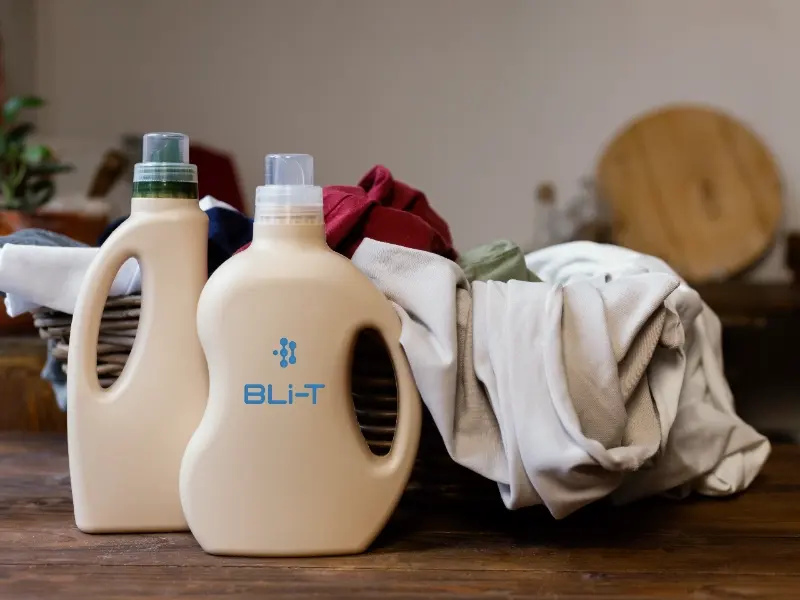
What Is GLDA?
GLDA stands for Glutamic Acid Diacetic Acid. In commercial detergent and cleaning applications, it is commonly supplied as Tetrasodium Glutamate Diacetate, an aqueous chelating agent based on glutamic acid.
The main role of GLDA is to bind metal ions such as calcium, magnesium, iron, and copper. These ions may come from hard water, raw materials, production water, or contamination during processing. If they are not controlled, they can reduce surfactant efficiency, affect product appearance, and influence formula stability.
GLDA is widely recognized for its biodegradable profile and its plant-based raw material background. This makes it attractive for detergent brands that want both performance and a more responsible environmental positioning.
Typical GLDA Product Information
| Элемент | Информация |
| Название продукта | GLDA/GLDA 4Na |
| Химическое название | Tetrasodium Glutamate Diacetate |
| CAS No. | 51981-21-6 |
| EINECS No. | 257-573-7 |
| Анализ | 47% solution / 38% solution |
| Molecular formula | C9H14NNaO8 |
| Main Applications | Laundry detergents, baby laundry detergents, household cleaners, industrial cleaning |
| Упаковка | 250kg drum / 1250kg IBC |
| Annual Capacity | Up to 5000MT/year |
| Export Support | REACH certificate available |
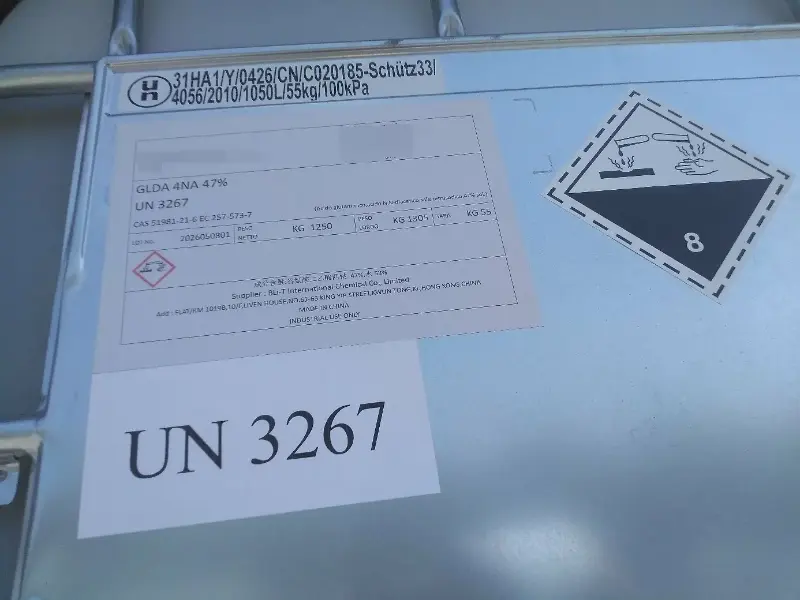
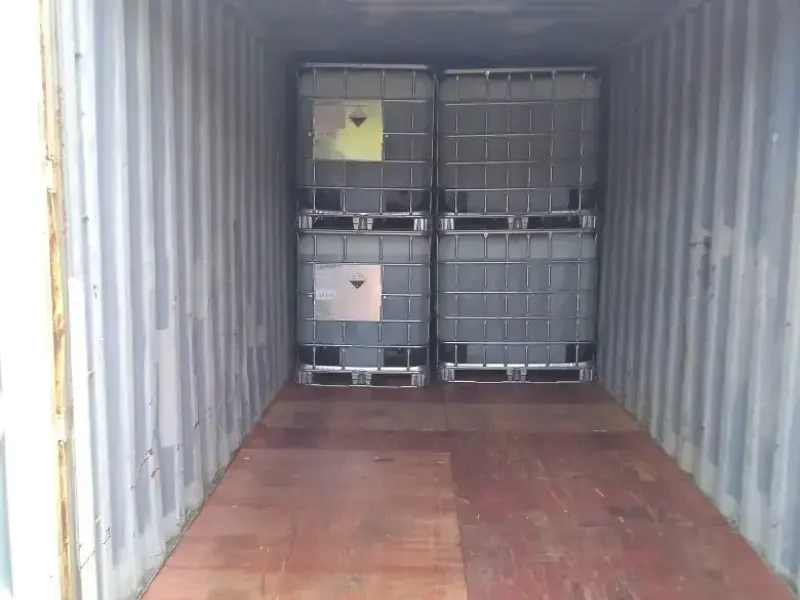
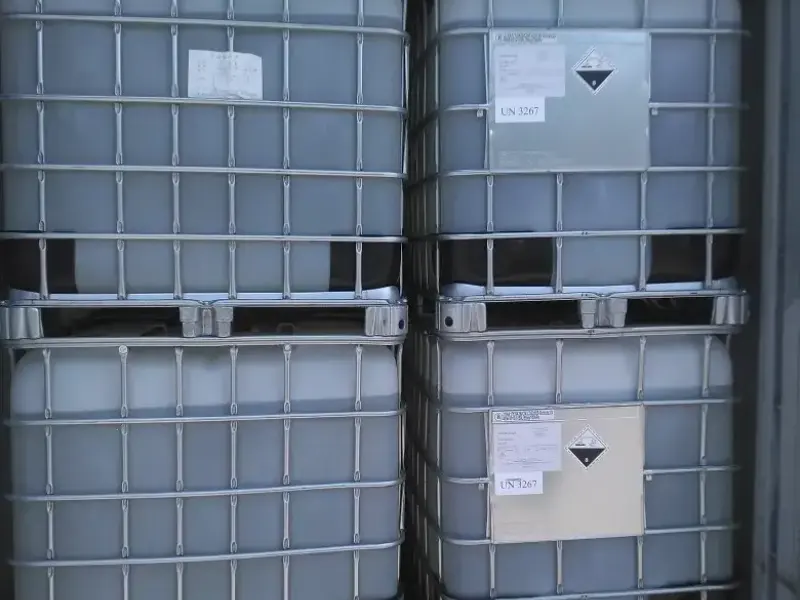
BLIT Chemical can supplies GLDA in 47% and 38% solution grades. For export orders, customers usually choose 250kg drums or 1250kg IBC packaging, depending on storage conditions, unloading convenience, and order volume.
GLDA’s Bio-Based Origin and Biodegradability
For detergent brands, the concept of “biodegradable” is more convincing when explained from the perspective of raw materials. GLDA provides a valuable example in this regard. In its production process, BLIT Chemical’s main raw material is monosodium glutamate, commonly known as MSG. MSG is derived from glutamic acid, which can be produced by fermenting plant-based raw materials such as corn starch.
This means GLDA is not only a chelating agent with detergent performance, but also a raw material with a clearer bio-based background.
Based on GLDA technical data, around 48% of the raw material weight comes from natural plant-based sources. GLDA is also commonly described as one of the aminocarboxylate chelating agents in which nearly half of the carbon atoms are derived from natural-source carbon. For concentrated laundry detergents and baby laundry detergents, this helps brands explain why GLDA is used instead of traditional chelators such as EDTA.
For manufacturers developing eco-positioned detergents, this gives GLDA a stronger technical basis than a simple “green ingredient” claim.
Why Chelators Matter in Laundry Detergents
Hard water is a common problem in laundry detergent formulations. Calcium and magnesium ions can interfere with surfactants, reduce washing effectiveness, produce deposits, make the water cloudy, and reduce the transparency of liquid detergent products.
A chelating agent helps reduce this interference by binding metal ions before they cause problems in the washing system.
For detergent manufacturers, a good chelator can help with hard water performance, surfactant efficiency, formula clarity, storage stability, and reduced residue in washing systems.
This is especially important for concentrated laundry detergents and baby laundry detergents, as these products require higher formula stability and have fewer conflicts between ingredients.
Why GLDA Works Well in Concentrated Laundry Detergents
Concentrated laundry detergents use less water and more active ingredients. This makes the formulation more efficient, but also more difficult to balance. Surfactants, enzymes, builders, fragrance, preservatives, salts, and chelators all need to remain compatible in the same liquid system.
GLDA is useful in this type of formula because it offers chelation performance in water-based systems and can fit different detergent formulation designs. For manufacturers already using GLDA, it is a mature raw material. The main purchasing concerns are usually concentration, price, packaging, delivery time, document support, and supplier stability.
Better Hard Water Control
In concentrated detergents, every ingredient has to work efficiently. If hard water ions are not controlled, the surfactant system may not perform as expected. GLDA helps bind calcium and magnesium ions, allowing the detergent formula to work more consistently in different water conditions.
This is especially important for export products, because water hardness varies greatly between markets.
Better Fit for Low-Water Formulas
Concentrated detergents usually have higher active content and less dilution space. GLDA solution can be easier to incorporate into liquid detergent production compared with some powder chelators, especially when the manufacturer wants a liquid raw material system.
BLIT Chemical supplies both GLDA 47% solution и GLDA 38% solution, so detergent manufacturers can choose according to formula concentration, cost calculation, and production handling preference.
Supports Product Stability
Metal ions can affect detergent color, clarity, odor, viscosity, and long-term appearance. In a concentrated product, these changes may become more visible during storage.
By controlling trace metal ions, GLDA can help support a more stable liquid detergent system. Final performance still depends on the complete formula, but for many detergent markets, GLDA is already a familiar and mature chelating agent.
Why GLDA Is Suitable for Baby Laundry Detergents
Baby laundry detergents are usually positioned around family care, sensitive fabric washing, lower residue concerns, and better ingredient perception. For this type of product, formulators often prefer raw materials that support both cleaning performance and a more responsible formulation story.
GLDA fits this direction because it combines chelating performance, biodegradable positioning, and a plant-based raw material background. It helps control hard water ions while supporting detergent brands that want to move away from older, more persistent chelators.
Supports Washing Performance in Mild Product Positioning
Baby clothing often needs effective cleaning under mild washing conditions. Hard water can make this harder because it reduces surfactant efficiency. GLDA helps control hardness ions and supports detergent performance without forcing the formulation to rely only on stronger surfactant systems.
Better Ingredient Story for Baby Detergent Brands
Many baby detergent brands care not only about performance, but also about how raw materials are perceived by consumers and distributors. GLDA’s raw material background gives brands a more concrete explanation: it is based on glutamic acid chemistry, connected to plant-derived fermentation feedstock, and supported by OECD 301D biodegradation data.
Useful in Liquid and Concentrated Baby Detergents
For baby laundry detergent manufacturers developing liquid or concentrated products, GLDA solution can be practical from a production point of view. It can be added into the water phase or liquid premix, then checked together with the overall detergent system.
GLDA vs EDTA in Laundry Detergents
EDTA is a traditional chelating agent and is still used in many industrial and cleaning applications. However, many detergent manufacturers are now considering GLDA because of its biodegradable positioning, natural-source raw material story, and suitability for modern cleaning formulations.
| Элемент | GLDA | EDTA |
| Full Name | Glutamic Acid Diacetic Acid | Ethylenediaminetetraacetic Acid |
| Common Form in Detergents | Tetrasodium Glutamate Diacetate solution | Disodium EDTA / Tetrasodium EDTA |
| Main Function | Chelating agent | Chelating agent |
| Raw Material Story | Based on glutamic acid chemistry, linked to plant-based fermentation feedstock | Petroleum-based synthetic route is more common |
| Environmental Positioning | Readily biodegradable in technical data | Often viewed as more persistent |
| Suitable Applications | Concentrated detergents, baby laundry detergents, eco-positioned cleaners | Traditional detergents, cleaners, industrial uses |
| Formulation Direction | Good fit for modern biodegradable detergent systems | Traditional chelator option |
GLDA is not a direct drop-in replacement in every formula. Detergent manufacturers should evaluate dosage, pH, water hardness, cleaning performance, viscosity, storage stability, and cost. But for concentrated laundry detergents and baby laundry detergent positioning, GLDA is often a strong candidate for reformulation or new product development.
GLDA vs MGDA for Detergent Formulation
MGDA and GLDA are both biodegradable chelating agents used in cleaning and detergent products. MGDA is often selected for strong cleaning performance in automatic dishwashing, industrial cleaning, and high-performance detergent systems. GLDA is often preferred when the formulation needs a balance of biodegradability, chelation, and mild product positioning.
| Элемент | GLDA | MGDA |
| Main Use | Laundry detergents, baby detergents, household cleaners, personal care-related products | Detergents, automatic dishwashing, industrial cleaning |
| Product Positioning | Biodegradable, mild, eco-oriented | Biodegradable, strong cleaning performance |
| Raw Material Story | Stronger bio-based explanation from glutamic acid / MSG route | Also biodegradable, but different raw material positioning |
| Concentrated Detergent Use | Suitable for evaluation | Suitable for evaluation |
| Baby Laundry Use | Often suitable for evaluation | Depends on formula positioning |
| Selection Basis | pH, dosage, cost, product story, compatibility | pH, dosage, cost, cleaning target, compatibility |
For manufacturers comparing GLDA and MGDA, the better choice depends on product positioning. A baby laundry detergent brand may value GLDA’s ingredient story and formulation balance, while an industrial cleaner may choose mainly based on chelating strength and cleaning efficiency.
BLIT Chemical also produces MGDA. If your formulation contains MGDA, you can also inquire with us for pricing and to purchase it.
Why Choose BLIT Chemical as Your GLDA Supplier
For laundry detergent manufacturers and raw materials distributors, choosing a GLDA supplier is not only about price. Stable supply, production experience, export support, regulatory documents, and long-term cooperation all affect real procurement decisions.
BLIT Chemical has been producing and selling GLDA for 8 years. During this period, we have built stable purchasing cooperation with customers in South Korea, the United States, Italy, Slovenia, and England. These customers include detergent manufacturers, cleaning product producers, and chemical distributors who need consistent quality, stable delivery, and clear export support.
For the European market, BLIT Chemical’s REACH certificate has supported more than 1000 tons of GLDA sales volume. This experience is important for buyers who need not only product supply, but also long-term regulatory and trade support.
Our annual GLDA production capacity can reach 5000MT, which allows us to support both regular monthly orders and larger purchasing plans.
| BLIT Chemical GLDA Supply | Подробности |
| Available Grades | GLDA 47% solution / GLDA 38% solution |
| Упаковка | 250kg drum / 1250kg IBC |
| Experience | 8 years of GLDA production and sales |
| Annual Capacity | Up to 5000MT/year |
| European Support | REACH certificate supports over 1000 tons of sales volume |
| Stable Markets | South Korea, United States, Italy, Slovenia, England |
| Customer Type | Detergent manufacturers, cleaning product factories, distributors |
For customers who need consistent GLDA supply, BLIT Chemical can support long-term cooperation instead of only one-time spot orders.
For GLDA price, sample evaluation, or long-term supply discussion, please contact info@blitchem.com .
Contact BLIT Chemical for GLDA Quotation and Supply Support
Some customers contact us with clear specifications, such as GLDA 47% solution, 1250kg IBC packaging, and a regular monthly purchase plan. Some customers are still comparing GLDA with EDTA or MGDA, or only know that they need a biodegradable chelator for laundry detergent. Both situations are common.
With 8 years of GLDA production and sales experience, BLIT Chemical understands both detergent raw material selection and international chemical trade. This is especially helpful for customers who are new to GLDA, new to importing chemical raw materials, or looking for a stable supplier for long-term cooperation.
Please send your inquiry to info@blitchem.com .
Заключение
GLDA is a strong chelator choice for concentrated and baby laundry detergent formulations because it helps control hard water ions, supports surfactant performance, and fits the biodegradable direction of modern detergent products.
Its advantage is not only biodegradability as a general claim. GLDA has a clear raw material story from glutamic acid and MSG, which can be linked to plant-based fermentation feedstock such as corn starch. Technical data also supports its biodegradability, with OECD 301D results showing more than 80% biodegradation after 28 days.
For concentrated laundry detergents, GLDA can help with formula stability, hard water performance, and low-water system design. For baby laundry detergents, it supports a cleaner ingredient story while still helping the formula perform in real washing conditions.
BLIT Chemical supplies GLDA 47% solution and GLDA 38% solution in 250kg drum и 1250kg IBC packaging. With 8 years of GLDA production and sales experience, stable customers in South Korea, the United States, Italy, Slovenia, and England, REACH support for over 1000 tons of European sales volume, and annual capacity up to 5000MT, BLIT Chemical can support customers who need stable and long-term GLDA supply.
For GLDA quotation, sample evaluation, technical documents, or long-term cooperation, please contact BLIT Chemical at info@blitchem.com .
Часто задаваемые вопросы
Why is GLDA used in laundry detergents?
GLDA is used to bind metal ions such as calcium and magnesium. This helps reduce hard water interference and supports surfactant performance, formula stability, and cleaning efficiency.
Why is GLDA suitable for concentrated laundry detergents?
Concentrated laundry detergents have less water and higher active content, so the formula needs stable and efficient raw materials. GLDA helps control hard water ions and supports liquid detergent stability.
Why is GLDA used in baby laundry detergents?
GLDA is useful in baby laundry detergent formulations because it provides chelating performance, supports hard water control, and has a better biodegradable and raw material story than many traditional chelators. Final product claims should still be based on complete formula testing and local regulations.
What is the raw material origin of GLDA?
GLDA is based on glutamic acid chemistry. One of its key raw material routes is monosodium glutamate, commonly known as MSG. MSG can be produced from glutamic acid through fermentation of plant-based raw materials such as corn starch.
Is GLDA biodegradable?
Yes. GLDA technical data reports that it passes OECD 301D biodegradation testing, with more than 80% biodegradation after 28 days. OECD 301 is used to screen chemicals for ready biodegradability in aerobic aqueous conditions.
How does GLDA compare with EDTA?
Both GLDA and EDTA are chelating agents. EDTA is a traditional chelator, while GLDA is often selected as a biodegradable alternative for concentrated detergents, baby laundry detergents, and eco-positioned cleaning products.
What packaging is available for GLDA?
BLIT Chemical supplies GLDA in 250kg drum and 1250kg IBC packaging.
Does BLIT Chemical provide REACH support for GLDA?
Yes. BLIT Chemical has REACH certificate support for GLDA. In the European market, our REACH certificate has supported more than 1000 tons of GLDA sales volume.
Does BLIT Chemical have GLDA export experience?
Yes. BLIT Chemical has 8 years of GLDA production and sales experience, with stable purchasing customers in South Korea, the United States, Italy, Slovenia, and England.
Can I contact BLIT Chemical if I am not sure which GLDA grade to choose?
Yes. Some customers already know whether they need GLDA 47% solution or 38% solution, while others are still comparing GLDA with EDTA, MGDA, or other chelators. You can send your application or purchasing plan to info@blitchem.com . BLIT Chemical can help provide basic product information, sample support, and supply suggestions.

