



Production Methods of Climbazole (CAS 38083-17-9): A Comprehensive Overview
Release time: 2025-10-24
Table of Contents
Introduction to Climbazole and Its Importance in Cosmetics
Climbazole (CAS 38083-17-9) is a highly effective antifungal agent commonly used in cosmetic formulations such as shampoos, skin creams, and topical treatments for dandruff and seborrheic dermatitis. This potent compound belongs to the imidazole class and plays a crucial role in combating fungal pathogens like Malassezia species, which are responsible for various skin conditions.
With its rising popularity in the personal care industry, understanding the production methods of Climbazole is essential for manufacturers and consumers alike. This article will explore the most common synthesis methods of Climbazole and the steps involved in creating this important active ingredient.
What is Climbazole?
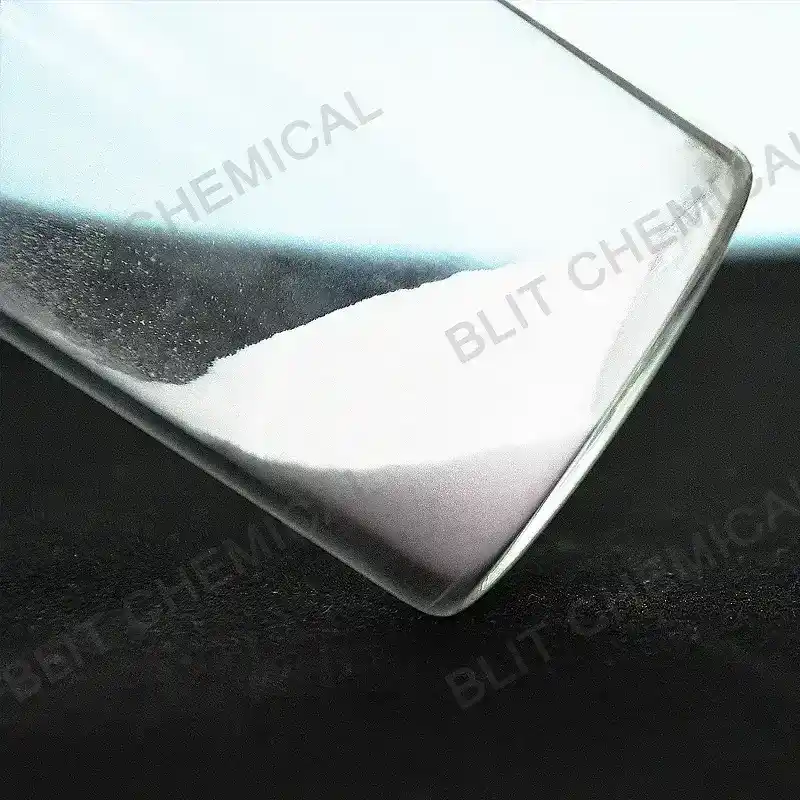
Climbazole is an organic compound known for its antifungal properties. The chemical formula of Climbazole is C12H15ClN2, and it typically appears as a light yellow crystalline powder. It is soluble in organic solvents like ethanol and acetone, making it ideal for use in cosmetic formulations.
Climbazole works by inhibiting fungal growth, effectively controlling fungal infections and preventing dandruff. Its broad-spectrum activity makes it an indispensable ingredient in many dandruff shampoos and antifungal creams.
Key Production Methods of Climbazole (CAS 38083-17-9)
The production of Climbazole involves several chemical processes to ensure the synthesis of a high-quality, pure product. The methods vary based on the scale of production and technological advances, but the following are some of the most common synthesis methods for Climbazole.
1. Friedel-Crafts Acylation for Climbazole Synthesis
One of the primary methods for synthesizing Climbazole is via Friedel-Crafts acylation. This chemical reaction involves the formation of a carbon-carbon bond between an aromatic compound and an acyl group, which is a core step in synthesizing imidazole-based antifungals like Climbazole.
- Step 1: Acylation Reaction
The process begins by reacting a chlorinated aromatic precursor, such as 2-chlorobenzyl chloride, with an acyl chloride in the presence of a Lewis acid catalyst (typically aluminum chloride, AlCl₃). This reaction forms an intermediate aryl ketone. - Step 2: Cyclization into Imidazole Ring
The next step involves cyclization, where the aryl ketone reacts to form the imidazole ring structure, which is essential for the compound’s antifungal activity. This reaction is carefully controlled to avoid unwanted side reactions. - Step 3: Purification
Once synthesized, the product undergoes purification, typically through recrystallization or column chromatography, to ensure the isolation of pure Climbazole.
2. Bromination and Substitution Reactions
In some cases, bromination reactions are employed to introduce a bromine atom to the aromatic ring, followed by substitution reactions to replace the bromine with a desired functional group like chloride or methyl.
- Step 1: Bromination
A bromine source (such as Br₂ or NBS) is used to brominate an aromatic compound, such as 2-chlorobenzyl alcohol. - Step 2: Nucleophilic Substitution
The brominated compound undergoes nucleophilic substitution, where the bromine is replaced by chloride or another group, forming the final structure required for Climbazole.
This method allows for the fine-tuning of functional groups on the aromatic ring, optimizing the molecule’s activity and solubility.
3. Metal-Catalyzed Cross-Coupling Reactions
Metal-catalyzed cross-coupling reactions (such as Suzuki or Heck coupling) can be employed to produce Climbazole. These reactions enable precise positioning of substituents on the aromatic rings, which is essential for the bioactivity of the compound.
- Step 1: Preparation of Intermediates
This step involves reacting 2-chlorobenzyl halide with an organoboron or organostannane compound, in the presence of a palladium catalyst, under inert conditions. - Step 2: Coupling and Cyclization
The cross-coupling reaction forms the desired imidazole ring, followed by final steps to complete the Climbazole synthesis.
This method is highly effective for creating specific molecular configurations that enhance the compound’s efficacy.
4. Green Chemistry Methods in Climbazole Production
As sustainability becomes more important in manufacturing, the green chemistry approach to Climbazole synthesis has gained attention. This method reduces hazardous waste and minimizes the environmental impact of production.
- Step 1: Solvent-Free Reactions
Green chemistry techniques focus on using solvent-free reactions or water-based solvents, which reduce the need for toxic organic solvents commonly used in traditional synthesis methods. - Step 2: Biocatalysis
Another promising development is biocatalysis, where enzymes or biological catalysts are employed to facilitate specific reactions. This method offers higher selectivity and greater efficiency, reducing the need for harsh chemicals.
These greener methods are vital for reducing the ecological footprint of Climbazole production while maintaining high product yields.
Purification and Quality Control
After the synthesis of Climbazole, the compound undergoes rigorous purification and quality control to ensure it meets industry standards. Techniques such as HPLC (High-Performance Liquid Chromatography), recrystallization, and distillation are used to isolate the pure active ingredient and remove any impurities.
Final Product Specifications for Climbazole:
- Appearance: Light yellow crystalline powder
- Purity: Typically >99% (confirmed by HPLC)
- Melting Point: 90–95°C
- Solubility: Soluble in organic solvents such as ethanol and acetone; low solubility in water.
Challenges in Climbazole Production
While the production methods for Climbazole are well-established, there are several challenges that manufacturers must address to ensure efficient and cost-effective production:
- Yield Optimization: Achieving high yields with minimal byproducts is crucial to reducing costs and ensuring product consistency.
- Safety and Environmental Impact: Many of the traditional reagents used in Climbazole synthesis can be hazardous. Manufacturers must adhere to strict safety protocols and environmental regulations to minimize risks.
The Future of Climbazole Production
Climbazole CAS 38083-17-9 is a key antifungal agent used in many personal care and therapeutic products. Its production involves several sophisticated chemical processes, including Friedel-Crafts acylation, bromination, substitution reactions, and metal-catalyzed coupling. Emerging green chemistry methods offer more sustainable production options, addressing environmental concerns while maintaining product quality.
For manufacturers and formulators, understanding the synthesis methods of Climbazole is essential for optimizing production and ensuring the effectiveness of the final product. As demand for antifungal treatments continues to rise, the adoption of efficient, environmentally friendly methods will be vital to meet market needs and uphold industry standards.