



Phosphorous Acid (H₃PO₃): Key Uses in Agriculture, Industry & Environmental Impact
Release time: 2025-04-23
Phosphorous acid (H₃PO₃) is a chemical compound that plays a significant role in various sectors, especially agriculture and industry. From improving plant growth to being an essential ingredient in flame retardants and water treatment chemicals, phosphorous acid’s versatile applications make it a crucial compound in modern technology and environmental management. This article explores its key uses, benefits, and environmental impact.
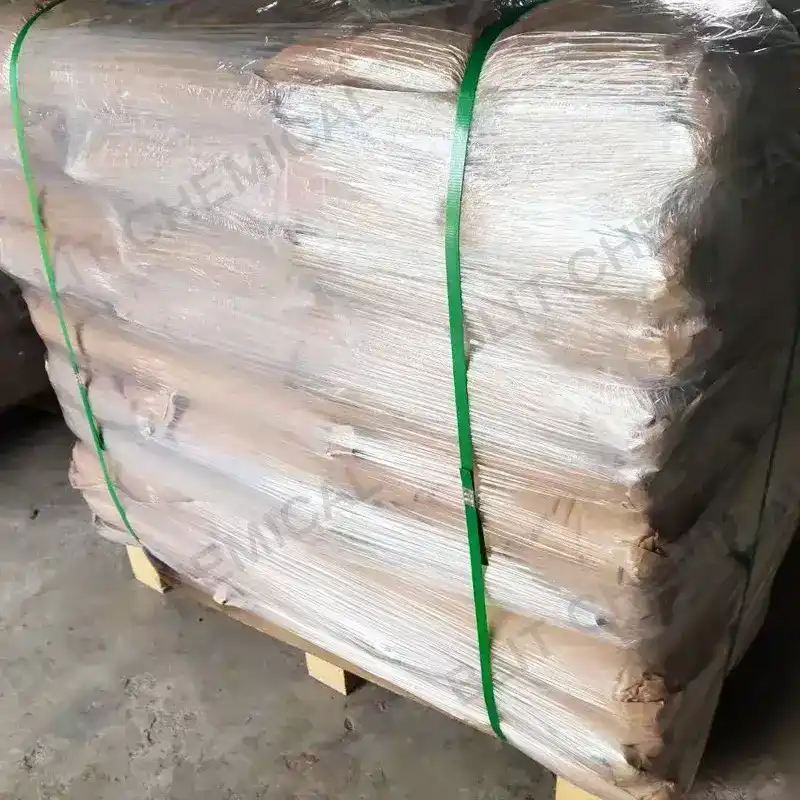
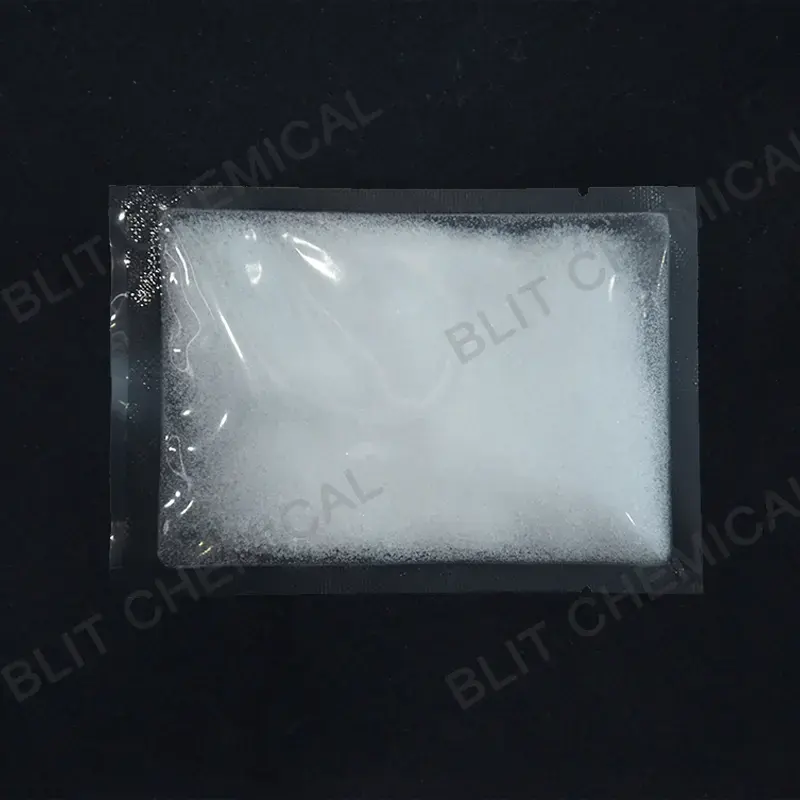

What is Phosphorous Acid (H₃PO₃)?
Phosphorous acid (H₃PO₃), also known as orthophosphorous acid, is a colorless, odorless liquid with a sour taste. It is produced by the reduction of phosphoric acid (H₃PO₄) using a reducing agent such as hydrogen. Despite its resemblance to phosphoric acid, phosphorous acid is chemically distinct, characterized by the presence of a P-H bond, making it a useful reagent in various chemical processes.
Phosphorous Acid in Agriculture: Benefits and Uses
Phosphorous Acid as a Fungicide for Crop Protection
One of the most important applications of phosphorous acid is as a fungicide in agriculture. Phosphorous acid and its salts, such as potassium phosphite, are widely used to manage diseases in plants, particularly in the prevention of root rot and downy mildew. These diseases can severely damage crops such as grapes, tomatoes, and potatoes. By controlling these fungal diseases, phosphorous acid helps improve the health and yield of crops.
Enhancing Plant Growth with Phosphorous Acid
Phosphorous acid can also act as a plant growth promoter, aiding in the development of stronger, more resilient plants. It stimulates the natural defense mechanisms of plants, allowing them to better resist pests, diseases, and environmental stress. Additionally, phosphorous acid is believed to support the development of healthy roots, encouraging the growth of robust plants, especially in poor soil conditions.
Improving Fertilizer Efficiency Using Phosphorous Acid
When used as an additive in fertilizers, phosphorous acid enhances their efficiency by promoting better nutrient absorption. It helps in the uptake of essential nutrients such as nitrogen and potassium, which are crucial for plant growth. Moreover, phosphorous acid helps reduce the risk of soil acidification, making it a preferred option for enhancing soil fertility.
Industrial Applications of Phosphorous Acid
Phosphorous Acid as a Flame Retardant in Industry
99% Phosphorous acid plays a critical role in fire safety, particularly in the manufacture of flame retardants. It is used as a base for producing organophosphates, which are incorporated into materials like textiles, plastics, and electronics to make them more resistant to fire. By inhibiting the combustion process, phosphorous acid-based flame retardants significantly reduce the risk of fires, providing greater safety in industrial applications.
Phosphorous Acid for Water Treatment & Corrosion Control
In industrial water treatment, phosphorous acid is used to control corrosion in water systems, particularly in cooling towers, boilers, and pipelines. It acts as a corrosion inhibitor, preventing the formation of rust and scale that can damage infrastructure and reduce efficiency. Additionally, phosphorous acid helps in water demineralization and plays a role in managing the water quality in industrial settings.
Industrial Applications of Phosphorous Acid in Chemical Manufacturing
Phosphorous acid is essential in the production of a variety of specialty chemicals, including phosphates, detergents, and flame retardants. It serves as a precursor in the synthesis of compounds used in the manufacturing of high-performance materials and industrial chemicals. Its versatility in chemical production makes it an indispensable component of the global chemical industry.
Environmental Considerations and Impact of Phosphorous Acid
While phosphorous acid is widely used for its agricultural and industrial benefits, its impact on the environment is an important consideration. Excessive use of phosphorous-based fertilizers can lead to eutrophication in water bodies, a process where nutrient overload leads to the growth of algae blooms that deplete oxygen levels and harm aquatic ecosystems. Additionally, the improper disposal of phosphorous acid in industrial settings can lead to soil contamination and affect groundwater quality.
To mitigate these environmental risks, regulations and best practices for the use of phosphorous acid in both agriculture and industry must be strictly adhered to. Sustainable practices, such as precise application of fertilizers and the development of more eco-friendly formulations, are key to ensuring that the benefits of phosphorous acid are maximized while minimizing its environmental footprint.
Conclusion
Phosphorous acid (H₃PO₃) plays a vital role in a wide array of applications, from agriculture to industrial processes. As a fungicide, plant growth promoter, and fertilizer enhancer, it helps boost crop yields and improve plant health. In industry, its uses as a flame retardant, corrosion inhibitor, and chemical precursor make it an invaluable resource for manufacturing and water treatment.
However, like any chemical, it must be used responsibly to avoid negative environmental impacts. By adhering to sustainable practices, high-purity phosphorous acid can continue to support agricultural productivity and industrial advancements while minimizing harm to the environment.