To buy N,N-Dimethylamino Ethyl Acrylate DMAEA monomer (CAS 2439-35-2) from a reliable manufacturer in China at factory price, BLIT Chemical supplies competitive pricing with support including COA, MSDS, and TDS. For inquiries, contact:info@blitchem.com.
N,N-Dimethylamino Ethyl Acrylate DMAEA CAS 924-99-2
Description
- CAS: 2439-35-2/924-99-2
- Synonyms: DMAEA monomer; Acrylic acid 2-(dimethylamino)ethyl ester
- Einecs: 219-459-2
- Molecular Formula: C7H13NO2
- Grade: 99.0%
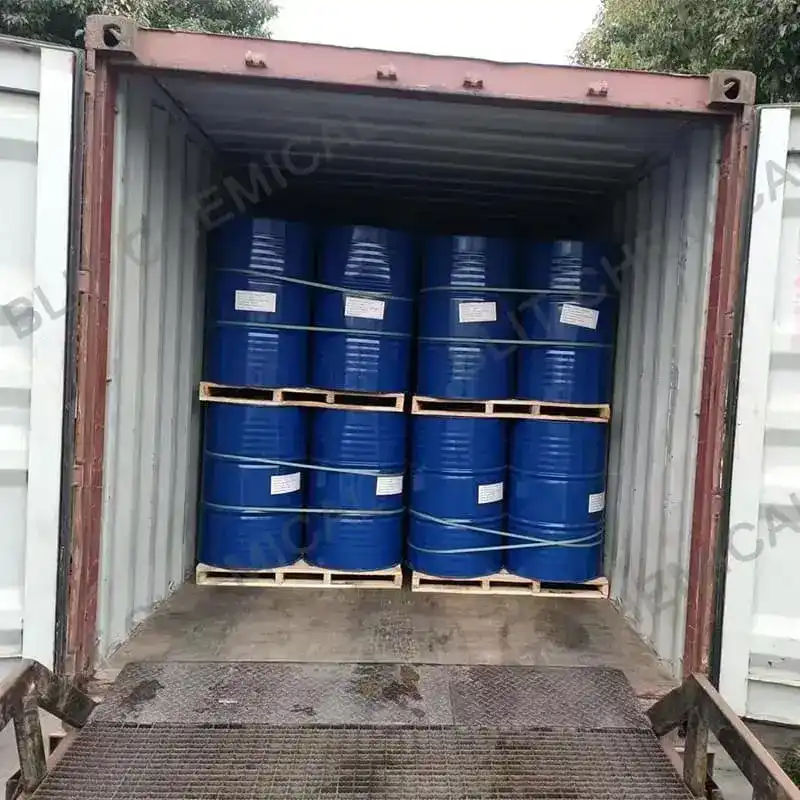
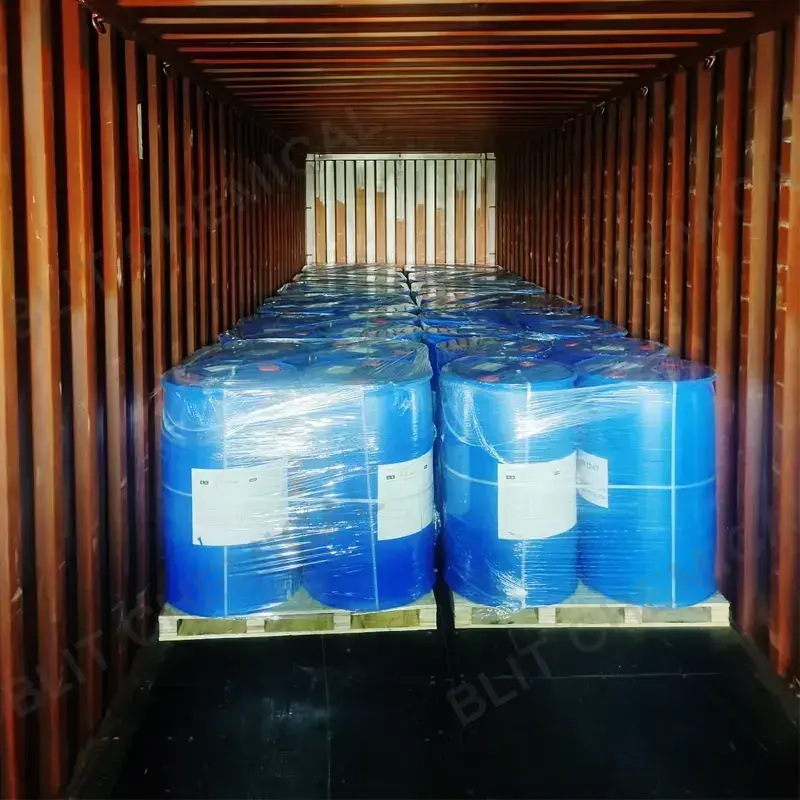
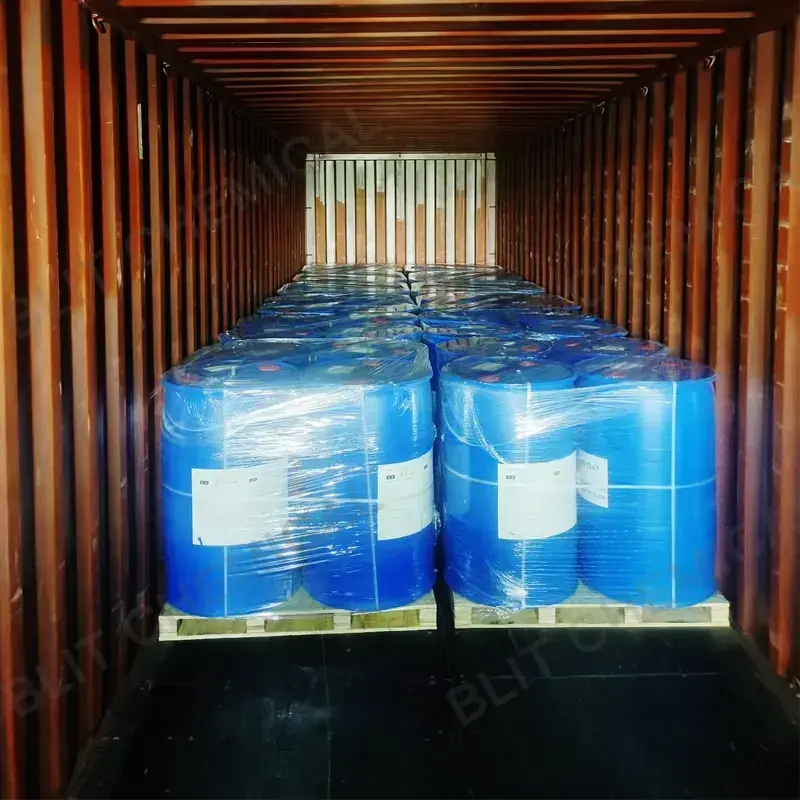
- Package: 200kg/drum or as required
Details
BLIT Chemical is a supplier of high-quality N,N-dimethylaminoethyl acrylate DMAEA (CAS 924-99-2/2439-35-2), a clear, colorless to pale yellow liquid with strong reactivity.This amine-functional acrylate monomer is widely used in coatings, adhesives, flocculants, and polymer synthesis. Its excellent solubility and reactivity make it ideal for producing water treatment agents, paper-making chemicals, and specialty polymers. BLIT Chemical guarantees stable quality and competitive factory pricing for global customers.
Specification
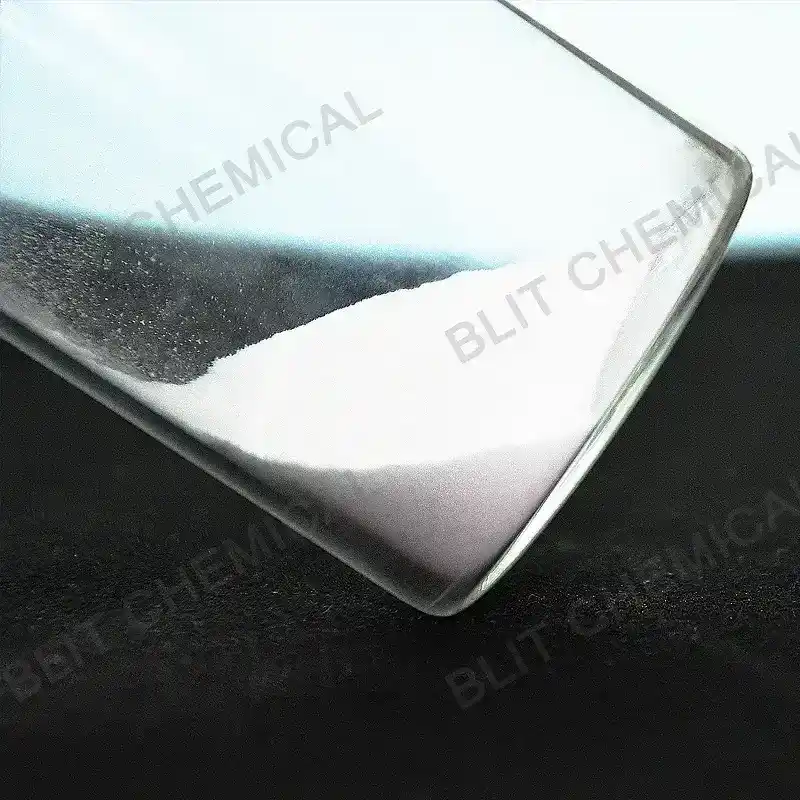
| Appearance | Clear, colorless to light-yellow liquid |
| Purity | ≥ 99.0 % |
| Moisture | ≤ 0.05 % |
| Inhibitor (MEHQ) | AS your requirement |
| Impurity | ≤ 0.5 % |
| Xylene | ≤ 0.3 % |
Applications
Water treatment industry:
One of the largest applications of DMAEA is in the preparation of flocculants and coagulants for wastewater treatment, with approximately 50% of DMAEA production used in this application. When DMAEA undergoes polymerization and quaternization, the resulting cationic polymers neutralize the negative surface charge of suspended particles, promoting particle aggregation and sedimentation.
This type of flocculant is particularly effective in treating wastewater containing anionic pollutants, such as industrial wastewater from paper mills, textile mills, and mining industries. Furthermore, DMAEA-based cationic polymers can remove dissolved organic matter, heavy metal ions, and even some microorganisms from water through charge interactions and adsorption mechanisms.
The high efficiency of DMAEA-based flocculants stems from two factors: strong electrostatic interactions with negatively charged particles and the “bridging effect” formed by the high molecular weight polymers, which promotes the formation of larger, denser flocs, accelerates sedimentation, and improves wastewater treatment efficiency.
Ion exchange resin:
DMAEA can be used to prepare ion exchange resins, a core material for water purification and softening. Through a chemical reaction, the tertiary amine groups in DMAEA are converted to quaternary ammonium groups, forming strongly basic anion exchange sites. These resins can remove anionic contaminants such as sulfates, nitrates, and phosphates from water through ion exchange.
The ion exchange capacity of the resin can be customized by adjusting the degree of quaternization and the polymer crosslink density. DMAEA-based ion exchange resins offer advantages such as high exchange capacity, excellent chemical stability, and strong antioxidant properties. They are particularly suitable for applications requiring selective anion removal, such as pharmaceutical water preparation and high-purity water systems.
Coatings and Adhesives:
DMAEA can bring unique properties to coating and adhesive formulations. Its combined polymerizability and amine functionality significantly improve product adhesion, curing performance, and overall performance, resulting in excellent performance in a variety of coating applications.
In UV- and electron beam (EB)-cured coatings, DMAEA is often used as an adhesion promoter in UV/EB-cured coatings for substrates such as metal, plastic, paper, and wood. In these systems, DMAEA primarily serves three functions:
1、Reactive diluent: The acrylate groups participate in the polymerization reaction, reducing the viscosity of the system while preventing volatile organic compounds (VOCs) from being added to the final product;
2、Adhesion promoter: The dimethylamino groups interact with polar substrate surfaces, improving coating wettability and adhesion;
3、Cure accelerator: The basic amine groups accelerate the cationic cure process or serve as a co-initiator in certain UV-curable systems.
DMAEA-based coatings offer advantages such as fast cure, high gloss, excellent chemical resistance, and strong adhesion to difficult-to-adhere substrates. They are widely used in automotive topcoats, industrial coatings, and wood coatings.
Applications in waterborne coatings and adhesives: In waterborne coating and adhesive formulations, DMAEA effectively addresses the technical challenges presented by aqueous systems. Specific benefits include:
1、Solubility enhancement: The amine groups neutralize the carboxyl groups in the resin, improving its solubility or dispersibility in water;
2、Adhesion enhancement: The alkaline functionality interacts with acidic substrate surfaces, improving adhesion;
3、pH stability: The amine groups act as pH stabilizers, maintaining an optimal environment during film formation;
4、Crosslinking potential: The acrylate groups participate in crosslinking reactions, enhancing film properties.
Approximately 20% of DMAEA production is used in the preparation of waterborne coatings and surface coatings. These environmentally friendly coatings are widely used in architectural coatings, industrial coatings, floor coatings, and other fields. Their core advantage lies in balancing high performance with low VOC emissions.
Usage Guidelines
– pH compatibility: Best performance in neutral to slightly alkaline systems (pH 6.5–8.5).
– Formulation tip: Add slowly under stirring to avoid polymerization; use inhibitor to maintain stability during storage.
Packaging
200 kg galvanized iron drum
1000 kg IBC tank
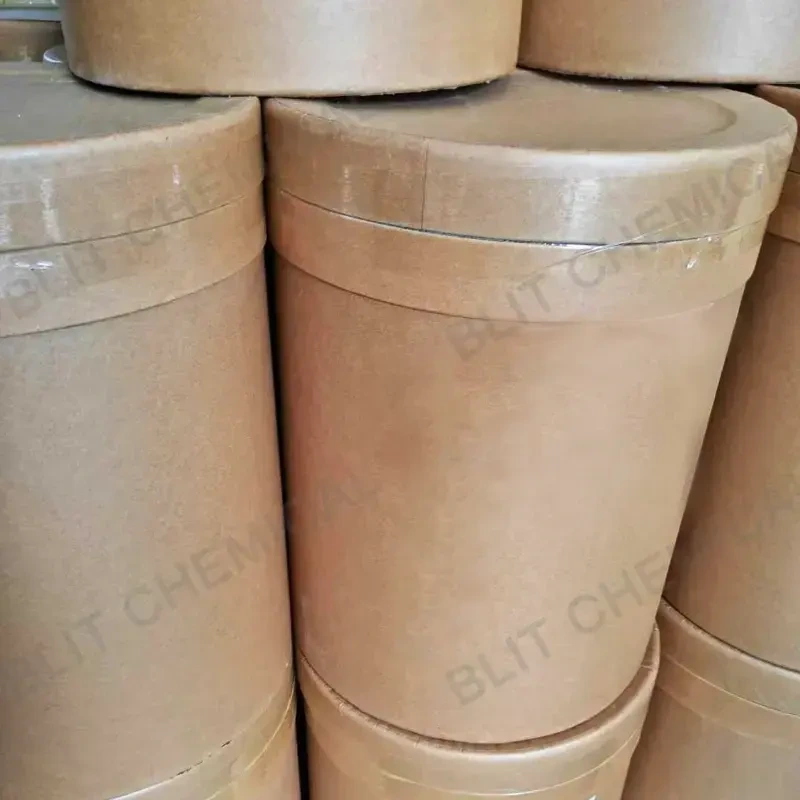
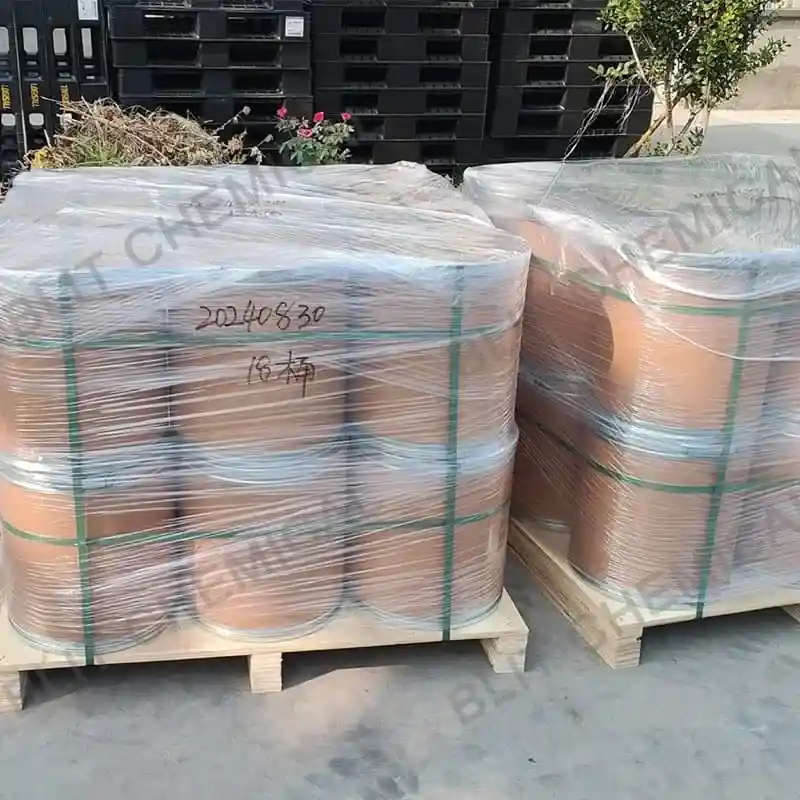
Customized packaging available upon request.
FAQ
-
Q: How to buy and get more information such as COA, TDS, MSDS?A: You can download the file in Support or contact info@blitchem.com to get it.
-
Q: What kinds of transportation types can you provide?A: We can provide a variety of transportation methods including sea transportation, air transportation, land transportation, express delivery, etc.
-
Q: What is the main use of N,N-Dimethylamino Ethyl Acrylate?A: It’s widely used as a functional monomer in water treatment flocculants, coatings, adhesives, and paper-making chemicals.
-
Q: Can DMAEA be customized in packaging or inhibitor content?A: Yes, BLIT Chemical offers flexible packaging and inhibitor levels based on your formulation needs.
-
Q: How can I ensure the stability of DMAEA during storage?A: It’s recommended to store at low temperatures with proper inhibitor levels and tightly sealed containers to avoid polymerization.