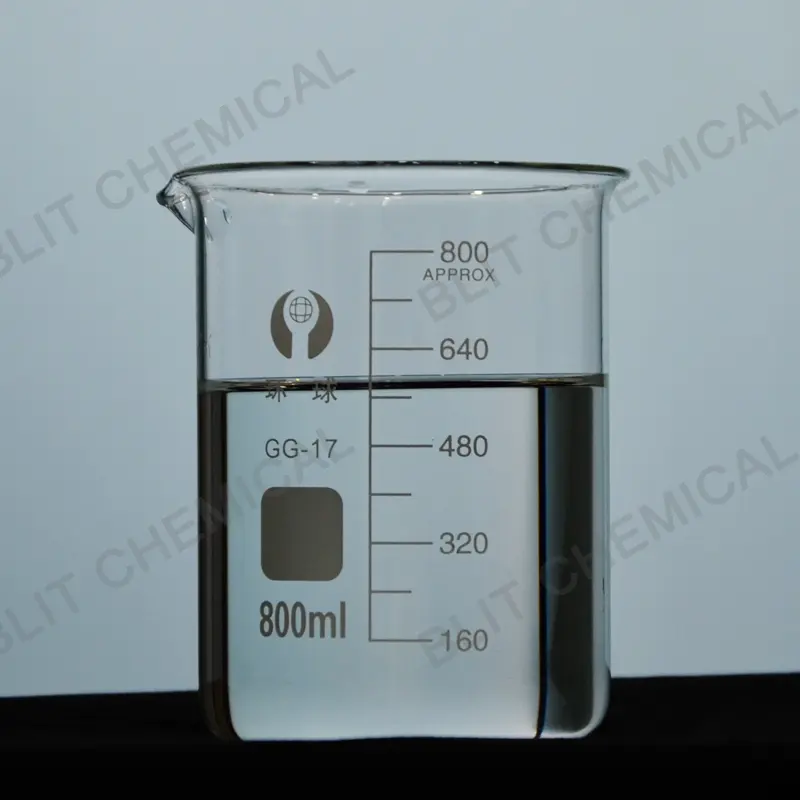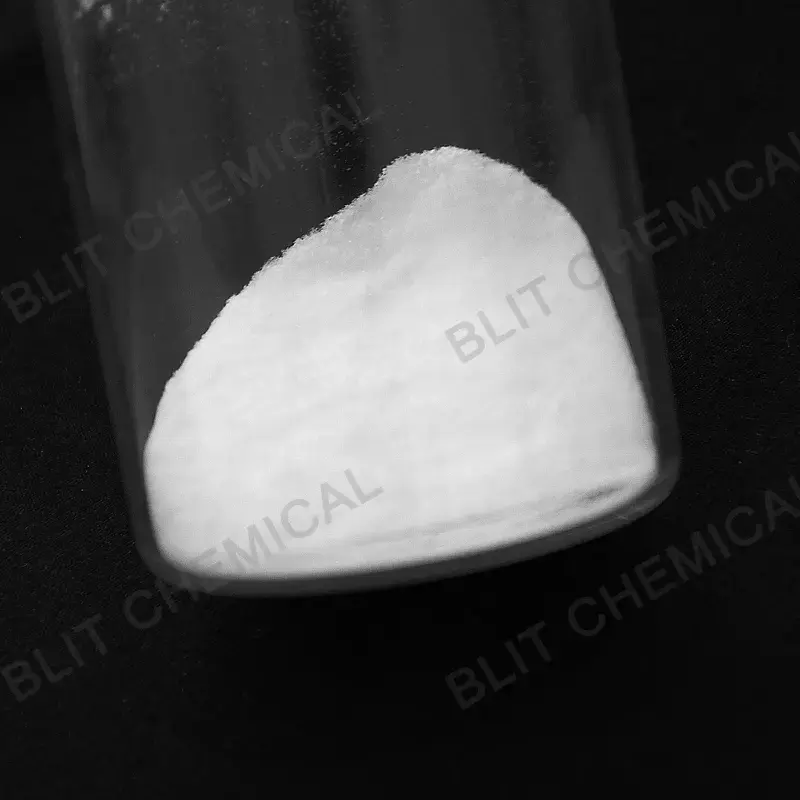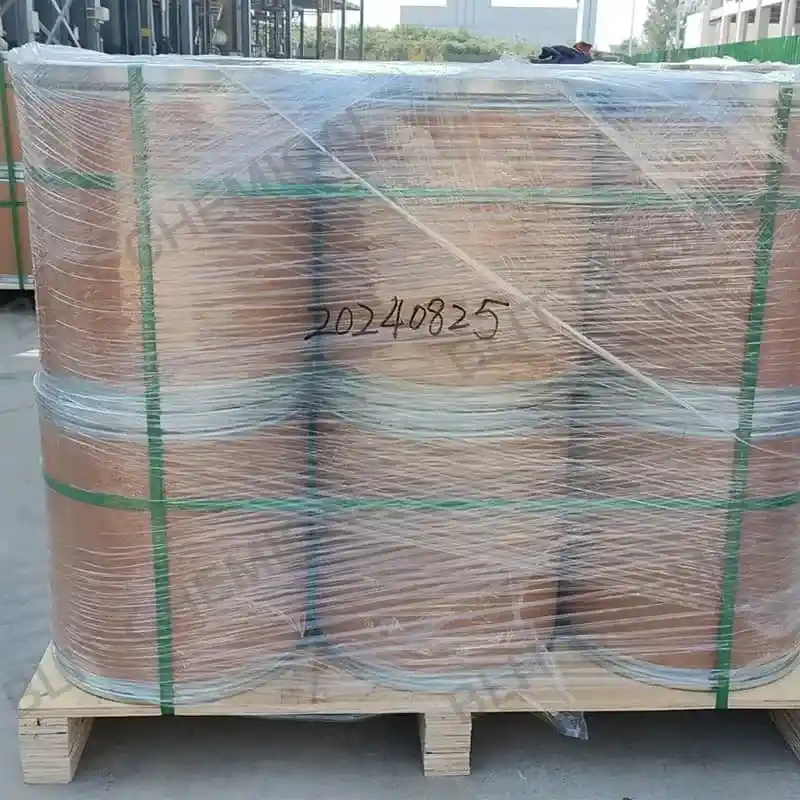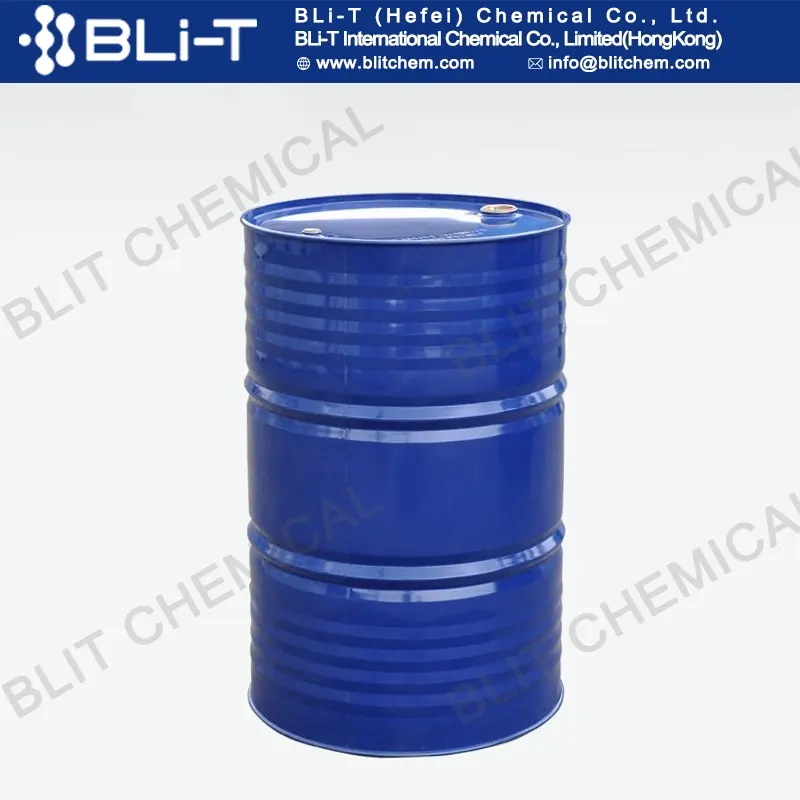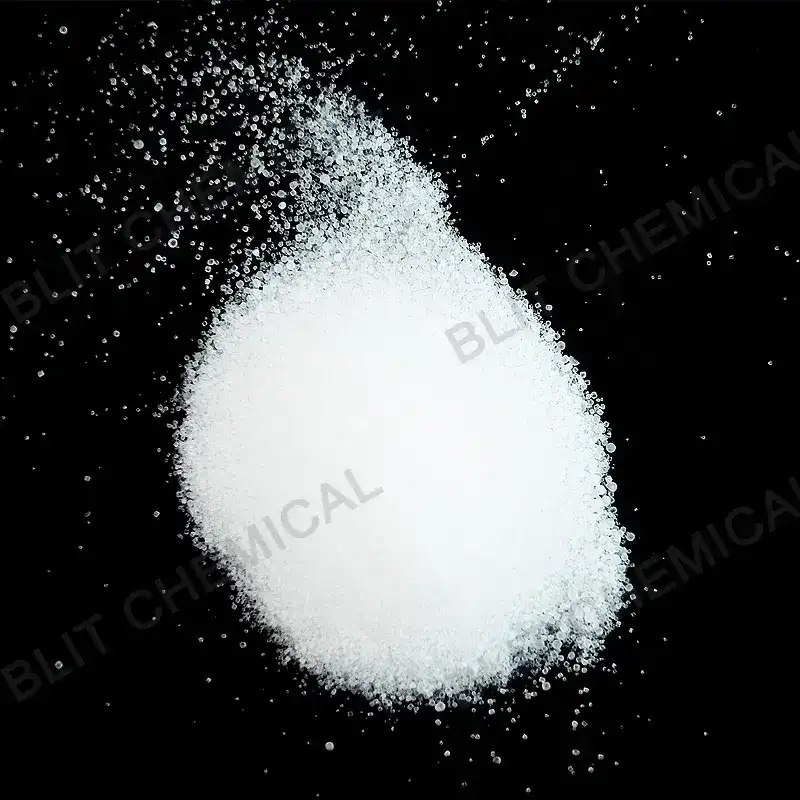


To buy Triisopropanolamine TIPA CAS 122-20-3 from manufacturer in China, BLIT Chemical offers competitive price with full product support, including specifications, MSDS, TDS, and COA. For factory-priced TIPA 85%, contact info@blitchem.com.
Triisopropanolamine TIPA 85% CAS 122-20-3
설명
- CAS: 122-20-3
- Synonyms: TIPA 85%; Triisopropanol Amine; 1,1',1''-Nitrilotri-2-propanol
- Einecs: 204-528-4
- Molecular Formula: C₉H₂₁NO₃
- Grade: 85%%
- 패키지: 200kg/드럼 또는 필요에 따라
세부
BLIT Chemical supplies Triisopropanolamine (TIPA) CAS 122-20-3 as a fine chemical additive mainly used in cement grinding aid formulations and cement additive systems. As a TIPA supplier, BLIT Chemical provides Triisopropanolamine with controlled quality specifications for cement manufacturers and grinding aid formulators requiring stable performance and consistent supply.
Triisopropanolamine (TIPA) is an alcohol amine product widely used as a grinding aid component in cement production. It can be used alone or combined with other components such as triethanolamine (TEA), diethanolisopropanolamine (DEIPA), sodium gluconate, molasses, and lignosulfonate to develop cement grinding aid formulations.
TIPA can improve cement grinding efficiency, enhance powder dispersion, optimize particle size distribution, and improve cement powder flowability. Under suitable cement formulation conditions, TIPA-based grinding aid systems can contribute to improved later-age strength performance and production efficiency.
BLIT Chemical has developed and produced alcohol amine products with integrated raw material supply and manufacturing capabilities. The raw materials ethylene oxide and propylene oxide are supplied directly to BLIT Chemical through pipeline transportation under long-term supply agreements, supporting stable raw material availability and production continuity.
BLIT Chemical produces alcohol amine products using patented production technology, advanced external circulation drop-feed reactors, and fully automated DCS control systems. These technologies help achieve high main content, good selectivity, low alcohol ether content, and light product color.
Focusing on cement additives, concrete admixtures, and epoxy derivative fine chemicals, BLIT Chemical has built integrated production capabilities covering raw materials to finished products. The company supplies domestic and international markets, including customers in Southeast Asia, Central Asia, and other regions.
| 목 | 세부 |
| 제품명 | Triisopropanolamine |
| 동의어 | TIPA; Triisopropanol Amine; 1,1′,1”-Nitrilotri-2-propanol |
| CAS 번호 | 122-20-3 |
| 화학식 | C₉H₂₁NO₃ |
| 분자량 | 191.27 g/mol |
| EINECS 번호 | 204-528-4 |
TIPA 85% 사양
| 목 | 사양 |
| 모습 | 무색~연한 노란색 액체 |
| TIPA Content | ≥85% |
| MIPA & DIPA Content | ≤3% |
| 수분 함량 | 10-15% |
TIPA 85% 응용 프로그램
Cement Grinding Aid
Triisopropanolamine is mainly used as a raw material component for cement grinding aid formulations.
TIPA can help:
- Improve cement grinding efficiency
- Reduce powder agglomeration during grinding
- Improve cement particle size distribution
- Enhance cement powder flowability
- Support higher mill productivity under suitable conditions
Application performance depends on clinker composition, cement type, grinding process, and formulation design.
Cement Types
TIPA-based grinding aid systems can be applied in various cement products, including:
- Portland cement
- Ordinary Portland cement
- Composite Portland cement
- Slag Portland cement
- Pozzolanic Portland cement
- Fly ash Portland cement
- High fineness slag powder
Grinding Aid Formulation Component
TIPA can be used individually or combined with other additives, including:
- Triethanolamine (TEA)
- Diethanolisopropanolamine (DEIPA)
- Sodium gluconate
- Molasses
- Lignosulfonate
Formulators can adjust the composition according to cement performance requirements and production conditions.
In addition to Triisopropanolamine (TIPA), BLIT Chemical supplies other alcohol amine raw materials for cement grinding aid applications, including Diethanolisopropanolamine (DEIPA). TIPA is often selected for its dispersing and grinding performance in cement powder processing, while DEIPA is widely evaluated in formulations requiring balanced early-age and later-age strength improvement. By providing different alcohol amine products, BLIT Chemical supports customers in developing grinding aid formulations based on cement type, clinker characteristics, and production requirements.
사용 지침
권장 복용량
When used as an individual grinding aid component:
Recommended dosage: 0.005%-0.03% based on cement weight
When combined with other grinding aid components, the dosage should be optimized according to application testing.
Addition Method
TIPA can be added through:
- Cement mill feeding belt
- Pipeline addition to the front chamber of the grinding mill
Regardless of the addition method, accurate measurement and uniform mixing are important to ensure consistent performance.
Factors Affecting Application Performance
The optimum TIPA dosage depends on:
- Grinding aid target performance
- Clinker mineral composition
- C3A content
- Type and amount of supplementary materials
- Activity of mixed materials
- Cement particle size distribution
- Specific surface area
- SO₃ content
Actual dosage should be determined through application trials.
Effect on Cement Performance
TIPA can improve grinding efficiency and influence cement performance depending on the formulation system.
Application testing has shown that TIPA-based grinding aid systems may contribute to:
- Improved mill productivity
- Better powder dispersion
- Improved later-age strength performance
For cement with low C3A content or relatively low early strength, the effect on early-age strength should be evaluated according to the specific cement composition.
BLIT Chemical Application Support
Before bulk use, BLIT Chemical recommends customers evaluate:
- Cement clinker composition
- Grinding process conditions
- Target cement performance
- Compatibility with other grinding aid components
- Pilot-scale grinding results
보관 및 취급
Triisopropanolamine should be stored in a cool and dry environment with suitable protection from contamination.
During low-temperature storage, TIPA may crystallize. If crystallization occurs:
- Heat the product appropriately
- Stir until the material returns to liquid form
After melting, crystallization does not affect normal application performance.
Recommended handling:
- Keep containers sealed
- Avoid contamination during transfer
- Use clean equipment
- Follow MSDS handling requirements
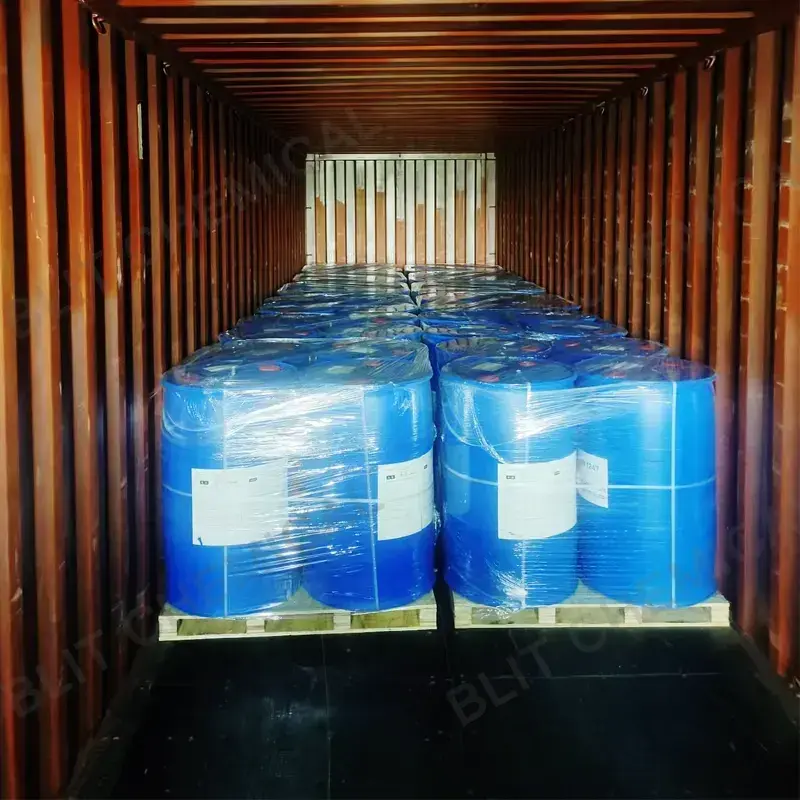
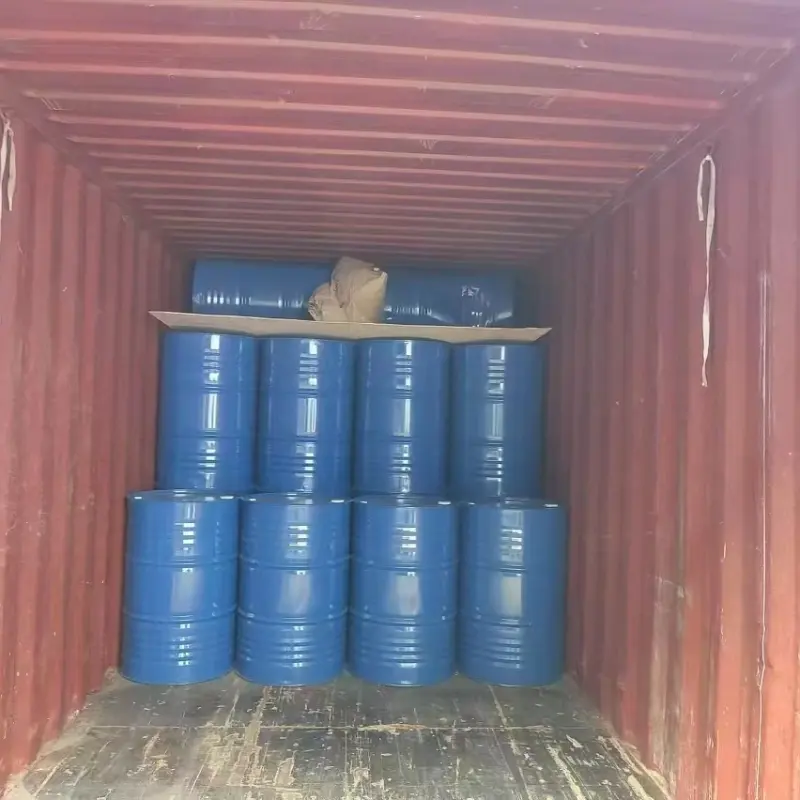
포장
Available packaging:
- 200kg drum
- 1000kg IBC
Container loading:
- 200kg drums: approximately 16MT / 20GP
- 1000kg IBC: approximately 20MT / 20GP
Samples are available for quality evaluation and formulation testing. Sample shipment can be arranged by air courier such as FedEx, DHL, UPS, or other suitable express services depending on destination and shipping requirements.
자주 묻는 질문
-
큐: COA, TDS, MSDS 등 자세한 정보를 얻고 구매하려면 어떻게 해야 하나요?에이: 지원에서 파일을 다운로드하거나 문의할 수 있습니다. info@blitchem.com 그것을 얻기 위해서.
-
큐: 어떤 종류의 교통 수단을 제공할 수 있나요?에이: 우리는 해상 운송, 항공 운송, 육로 운송, 익스프레스 배송 등 다양한 운송 방법을 제공할 수 있습니다.
-
큐: What is TIPA used for?에이: TIPA is mainly used in cement grinding aid applications to improve grinding efficiency, powder dispersion, cement flowability, and cement production performance.
-
큐: Can TIPA be used with other grinding aid components?에이: Yes. TIPA can be used alone or combined with TEA, DEIPA, sodium gluconate, molasses, and lignosulfonate depending on formulation requirements.
-
큐: What is the recommended dosage of TIPA in cement?에이: The recommended dosage of TIPA as a single grinding aid component is generally 0.005%-0.03% based on cement weight. The optimum dosage should be determined through testing.
-
큐: What makes BLIT Chemical’s TIPA supply different?에이: BLIT Chemical has integrated production capabilities, stable raw material supply from long-term agreements, patented alcohol amine production technology, and automated DCS-controlled manufacturing systems.