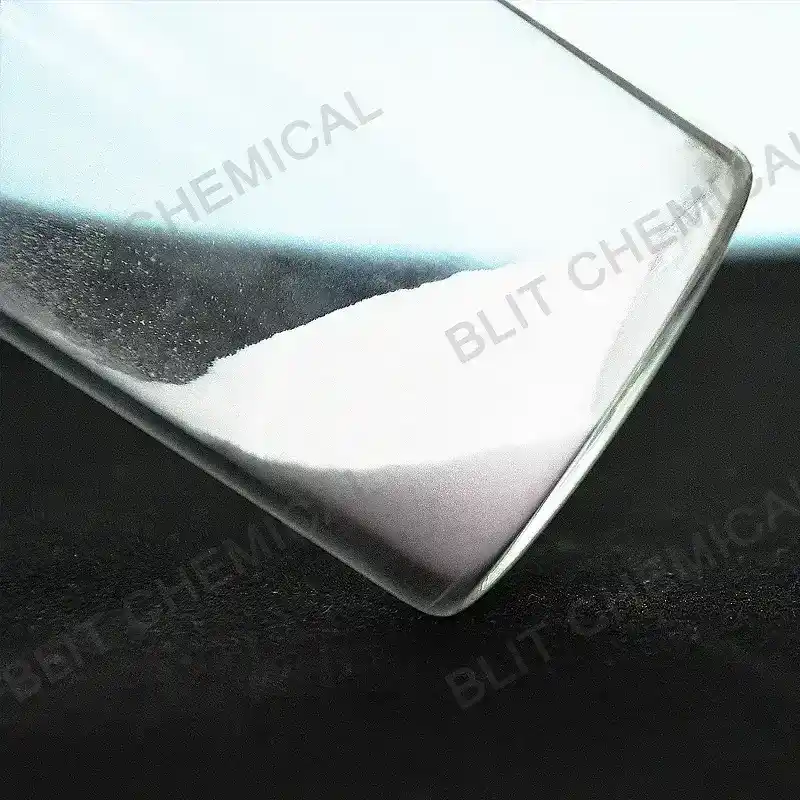



Fatty Alkylamidopropyl Dimethylamine (PKO) CAS 68155-09-9 – Advanced Cationic Surfactant Solutions
Release time: 2025-09-19
BLIT CHEMICAL is a global supplier of Fatty Alkylamidopropyl Dimethylamine (PKO, CAS 68155-09-9), We offer high-quality products that perform consistently. Our products are used in cosmetics, textiles, oilfield chemicals, and industrial formulations.
With more than ten years of experience, we have a strong quality control system. Our international logistics network helps us offer complete chemical sourcing solutions. We handle everything from manufacturing to delivery in containers straight to customer warehouses around the world.


I. What is Fatty Alkylamidopropyl Dimethylamine (PKO)?
PKO is a multifunctional cationic surfactant with the molecular structure RCONH(CH₂)₃N(CH₃)₂. This unique structure gives it conditioning, emulsifying, antistatic, and softening properties, making it widely used in hair care, skin care, textile softeners, and oilfield applications.
Its positively charged cationic head group allows it to strongly adsorb to negatively charged surfaces such as damaged hair fibers, skin, or fabrics, delivering excellent conditioning and softening effects.
II. Classification & Product Grades
BLIT CHEMICAL supplies a full range of PKO grades in compliance with QB/T 4534-2013 industry standards, tailored for different customer needs.
| Products | Chemical name | Raw materials | Main application |
| PKO-1 | Lauramidopropyl dimethylamineCaprylamidopropyl dimethylamine | Lauric acid | Betaine |
| PKO-2 | Lauramidopropyl dimethylamineCaprylamidopropyl dimethylamine | Lauryl, myristic, and stearic acid | General conditioning agent, personal care products |
| PKO-3 | Octyldecamidopropyl dimethylamine | Caprylic/capric acid | Personal care products with carbon chain requirements |
| PKO-O | Oleamidopropyl dimethylamine | Oleic acid | Lightly refreshing skin care products |
| PKO-E | Erucamidopropyl dimethylamine | Erucic acid | Used in oil extraction |
| PKO-22 | Behenamidopropyl dimethylamine | Behenic acid | High-performance softener, high-end hair care products, lubricants |
| PKO-9 | Cocoamidopropyl dimethylamine | Coconut oil | High-end personal care products |
| PKO-S | Stearamidopropyl dimethylamine | Stearic acid | Special purpose personal care products |
Data source reference (classification and code): QB/T 4534-2013 “Fat alkylamidopropyl dimethylamine” and our factory’s technical department.
China’s light industry standard, QB/T 4534-2013, also details PKO’s technical requirements, test methods, inspection rules, as well as labeling, packaging, transportation, storage, and shelf life requirements. This means that products meeting this standard have clear acceptable limits for key indicators such as tertiary amine value, free fatty acid content, color, and residual DMAPA content, providing a crucial basis for ensuring product quality.
During the production process, DMAPA is the main raw material. Our factory will extend the evaporation time of unreacted DMAPA during production and internally control DMAPA≤100PPM, which is also the reason why our PKO series has relatively low irritation.
III. Key Applications
1.Personal Care (Hair Care & Skin Care):
Hair conditioning agents in conditioners, shampoos, and masks
Skin-feel enhancers in lotions, creams, and shower gels
2.Textile Industry:
Core ingredient in fabric softeners, improving softness, bulkiness, and antistatic properties
3.Oilfield Chemicals:
CO₂-responsive smart fluids for fracturing operations
Gas hydrate inhibitors for subsea pipelines
Corrosion inhibitors & lubricants for drilling fluids
4.Other Uses:
Intermediate for amphoteric surfactants (e.g., betaines)
Antistatic agents in plastics and packaging
Dispersants for pigments and fillers


IV. Synthesis, Quality, and Control of BLIT CHEMICAL
Synthesis Method: PKO is typically produced through a condensation reaction of fatty acids or oils with 3-dimethylaminopropylamine (DMAPA). The reaction requires a catalyst, such as sodium fluoride, and removing by-product water improves yield..
Key Quality Indicators (according to QB/T 4534-2013):
Tertiary Amine Value: This reflects the content of active ingredients and is a core quality indicator. BLIT CHEMICAL tests the amine value for each batch to ensure that the active ingredient content meets the standard before further testing and storage. If it does not meet the standard, we will continue synthesis.
Free Fatty Acid Content: This measures the completeness of the reaction. Excessive levels may affect product performance and increase irritation. Because free fatty acids are derived from the raw fatty acids, residual free fatty acids are inevitable. We can reduce residual free fatty acids by increasing the synthesis time and evaporation time.
Residual 3-dimethylaminopropylamine (DMAPA): This is a critical safety indicator. DMAPA is a strong irritant and allergenic to skin and mucous membranes, requiring strict control of its residual content in the final product. When purchasing DMAPA as a raw material, we select 99.5% pure DMAPA. During the production process, our DCS system, after careful calculation, slowly and appropriately doses DMAPA to prevent overdose. Finally, we evaporate DMAPA to ensure the residual content is below 100 parts per million (PPM). We can also customize even lower DMAPA residue levels based on customer needs.
V. FAQs
1. Is PKO safe in cosmetics? Is it irritating to the skin?
The safety of PKO itself depends on its purity, particularly the residual DMAPA content. Products that strictly adhere to QB/T 4534-2013 and the company’s internal control standards to control residual amine content are less irritating. However, safety assessments are still required when formulating the final product. For consumers, using products that meet the standards is generally safe.
2. How do I choose the right PKO type for my product?
For ultimate softening and thickening: Behenamide (PKO-22) or stearamide.
For a light, refreshing feel/better solubility: Oleamide (PKO-O).
For general conditioning and cost-effectiveness: Cocamide (PKO-1) is a common choice.
For betaine synthesis: Lauramide (PKO-2) and cocamide (PKO-9) are commonly used. Oil extraction: Oleamide (PKO-O) and erucamide (PKO-E) are preferred.
3. How is PKO environmentally friendly?
Compared to traditional quaternary ammonium salts such as dioctadecyldimethylammonium chloride, PKO generally exhibits better biodegradability. Its green synthesis process is also under development to reduce energy consumption and waste.
4. How is PKO stored and transported?
It should be stored in a sealed container in a cool, dry, well-ventilated place, away from moisture and high temperatures. Liquid products should be protected from freezing in cold weather. General chemical regulations must be followed during transportation. BLIT CHEMICAL has been manufacturing PKO for over a decade and has exported to many countries. We can provide packaging suitable for international transport, whether by sea, rail, or air. 1. How safe is PKO? Is it irritating to the skin?
The safety of PKO itself depends on its purity, particularly the residual DMAPA content. Products that strictly adhere to the QB/T 4534-2013 standard and the company’s internal control standards to control residual amine content are less irritating. However, safety assessments are still required when formulating the final product. For consumers, using products that meet these standards is generally safe.
2. How do I choose the right PKO type for my product?
For ultimate softening and thickening: Choose behenamide (PKO-22) or stearamide.
For a light, refreshing feel/better solubility: Choose oleamide (PKO-O).
For general conditioning and cost-effectiveness: Cocamide (PKO-1) is a common choice.
For betaine synthesis: Lauramide (PKO-2) and cocamide (PKO-9) are commonly used.
For oil extraction: Oleamide (PKO-O) and erucamide (PKO-E) are preferred.
3. How is PKO environmentally friendly? Compared to traditional quaternary ammonium salts such as dioctadecyldimethylammonium chloride, PKO generally exhibits better biodegradability. Its green synthesis process is also under development to reduce energy consumption and waste.
4. How should PKO be stored and transported?
It should be stored in a sealed container in a cool, dry, well-ventilated place, away from moisture and high temperatures. Liquid products should be protected from freezing in cold weather. General chemical regulations must be followed during transportation. BLIT CHEMICAL has been manufacturing PKO for over a decade and has exported to numerous countries. We can provide packaging suitable for international transportation, whether by sea, rail, or air. We have extensive experience in this field.
BLIT CHEMICAL offers not just high-quality PKO, but also complete sourcing and logistics solutions—helping global customers achieve cost-effective, sustainable, and efficient supply chain management.For more information please email to info@blitchem.com