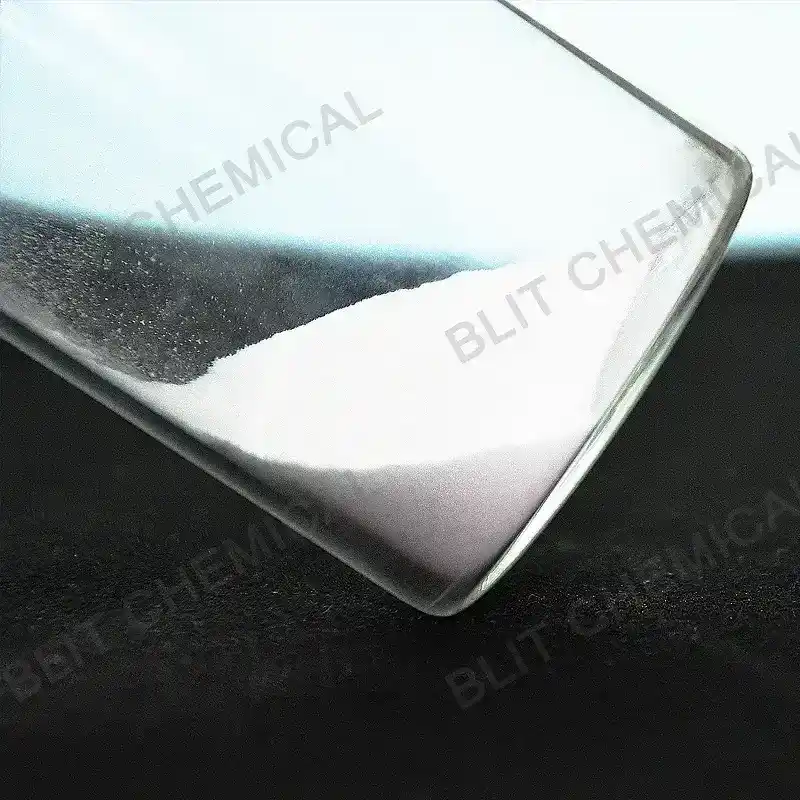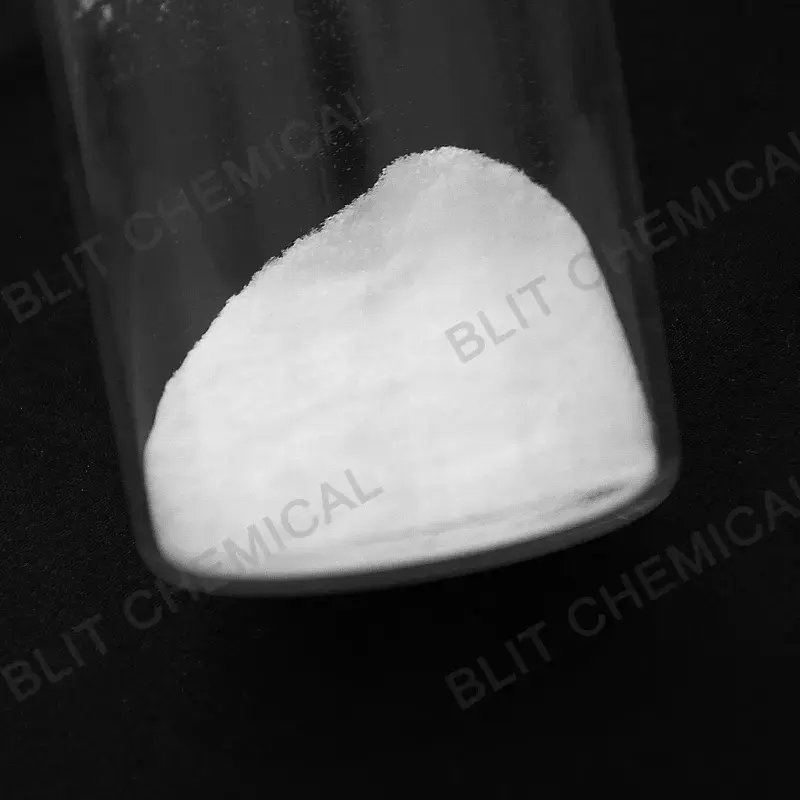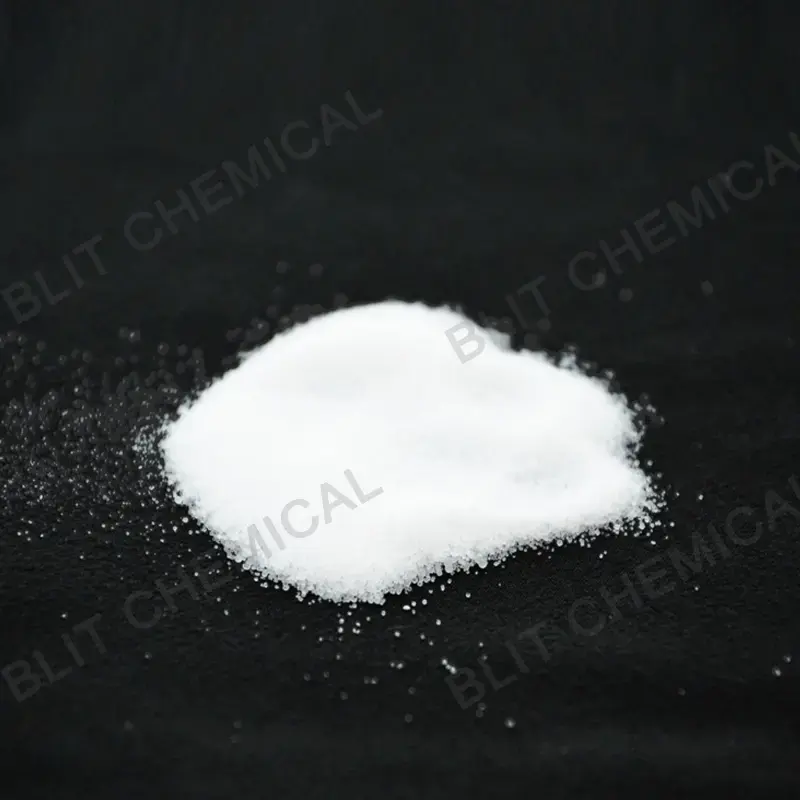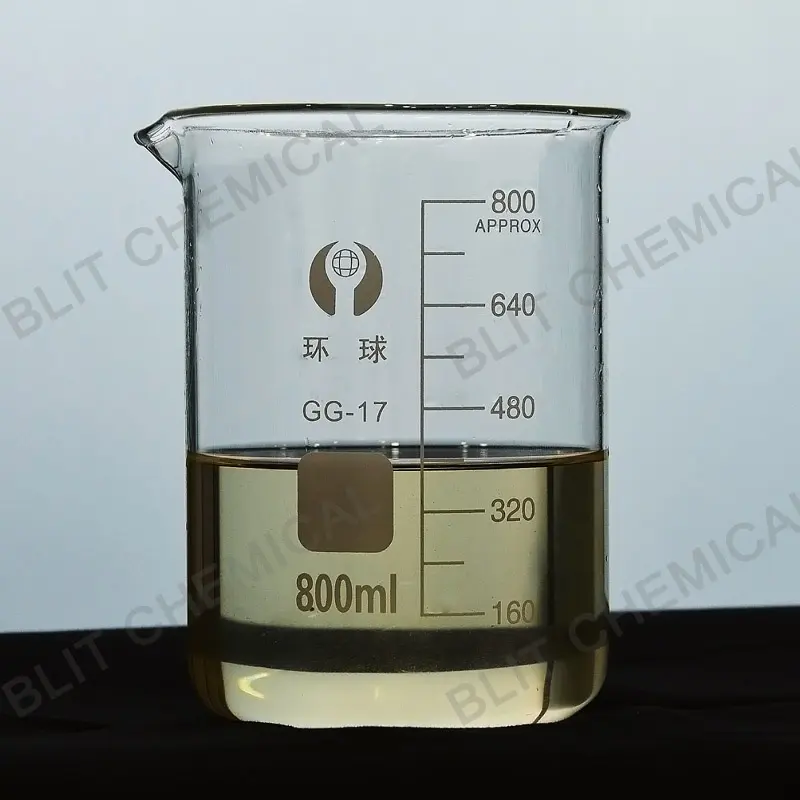

To buy Behentrimonium Methosulfate BTMS (CAS 81646-13-1) from reliable manufacturer in China at factory price, BLIT Chemical supplies competitive price with support including COA, MSDS, and TDS. For inquiries, contact: info@blitchem.com
Behentrimonium Methosulfate BTMS CAS 81646-13-1
Description
- CAS: 81646-13-1
- Synonyms: BTMS; Behenyl Trimethyl Ammonium Methosulfate,2231MS
- Einecs: 279-791-1
- Molecular Formula: C26H57NO4S
- Grade: 25%、50%、80%、Cosmetic grade
- Package: 25kg/drum or as required
Details
BLIT Chemical is a supplier of high-quality Behentrimonium Methosulfate BTMS (CAS 81646-13-1), a mild and effective conditioning agent widely used in hair care and skin care formulations. Known for its excellent detangling and softening properties, this cationic surfactant is derived from natural rapeseed oil and is considered gentle and non-irritating. BLIT Chemical offers stable quality, competitive pricing, and global supply capability for personal care and cosmetic industries.
Specification
| INCI Name | Behentrimonium Methosulfate |
| Synonyms | BTMS; Behenyl Trimethyl Ammonium Methosulfate,2231MS |
| CAS Number | 81646-13-1 |
| Chemical Formula | C26H57NO4S |
| Molecular Weight | 483.78 g/mol |
| EINECS Number | 279-791-1 |
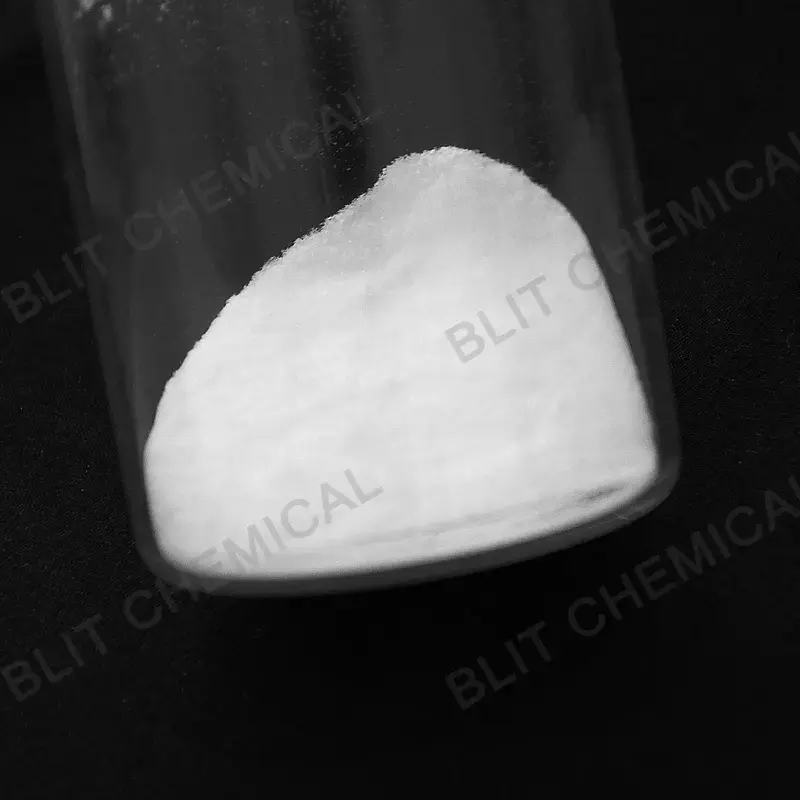
| Appearance | White to off-white pastilles or flakes |
| Active Content | 25% or 50% or 80% |
| Odor | Mild characteristic |
| pH (10% in water) | 5.0–7.0 |
| Water Content | ≤ 2.0% |
| Solubility | Soluble in water and alcohol |
| Color (Gardner) | ≤ 3 |
Behentrimonium Methosulfate (BTMS) is an excellent conditioning agent. BTMS manufactured by BLIT CHEM is available in 25%, 50%, and 80% concentrations. The solvent can be selected from Cetearyl Glucoside, Isopropanol, or Ethanol to suit your needs. For more information, please contact info@blitchem.com.
Applications
BTMS is most widely used in hair care, primarily for its conditioning, anti-static, and softening properties.
Conditioners and hair masks: BTMS is a key ingredient in conditioners, effectively improving the combability of hair, especially on dry hair. It forms a protective film on the hair surface, reducing frizz and tangles, leaving hair soft and smooth. The recommended usage level in hair care products is 1.0% to 10.0%.
Shampoo: BTMS is used in shampoo as a co-conditioning agent, typically at a low addition level of 0.1% to 0.5%. It neutralizes negative surface charges on the hair, reducing static electricity and making it easier to comb during shampooing.
Leave-in hair care products: In leave-in conditioners, hair masks, and styling products, BTMS provides long-lasting conditioning and prevents dryness and static.
Perm Products: The recommended usage of BTMS in perm products is 1.0%-4.0%, helping to reduce damage to hair during the perm process and providing an immediate smoothing effect.
BTMS has demonstrated outstanding performance in the fabric care sector, primarily in the following applications:
Fabric softener: As an antistatic agent and softener, BTMS effectively improves the feel of fabrics and reduces static charge.
Synthetic fiber treatment: As an antistatic agent for synthetic fibers, BTMS significantly reduces static charge on the fiber surface, improving processing efficiency and product quality.
BTMS also has many uses in asphalt emulsifiers, waterproof coating emulsifiers, silicone oil emulsifiers, and organic bentonite modification.
BMTS can also be used in the biopharmaceutical field, glass fiber softening treatment, nylon parachute surface treatment, and oil paint cosmetic additives.
Storage & Handling
Store in a cool, dry, and well-ventilated place. Keep container tightly closed to prevent moisture absorption. Avoid direct sunlight and heat sources. Use clean tools to avoid contamination during handling.
Usage Guidelines
Formula Design and Optimization
In laboratory studies, the following factors need to be considered when designing BTMS formulations:
pH Control: BTMS performs best in a pH range of 5.0-7.0. During formulation design, care should be taken to maintain the pH of the system within the appropriate range.
Compatibility: BTMS has good compatibility with most cosmetic ingredients, but should be avoided in contact with strong oxidants and strong acids.
The following process factors should be considered when applying BTMS in industrial production:
Emulsification process optimization: In large-scale production, emulsification time, temperature, and stirring speed are key factors affecting product quality. For BTMS systems, it is recommended to control the emulsification temperature between 65-75°C and maintain a moderate stirring speed to avoid excessive shear.
Production equipment selection: Select production equipment suitable for the characteristics of BTMS, such as an emulsifier with heating and temperature control capabilities. For high-viscosity systems, an efficient stirring system may be required.
Packaging
25 kg or 50 kg bag/drum. Moisture-proof inner liner. Customized packaging available upon request.
FAQ
-
Q: How to buy and get more information such as COA, TDS, MSDS?A: You can download the file in Support or contact info@blitchem.com to get it.
-
Q: What kinds of transportation types can you provide?A: We can provide a variety of transportation methods including sea transportation, air transportation, land transportation, express delivery, etc.
-
Q: What is the difference between BTMS-25 and BTMS-50?A: BTMS-25 contains 25% active Behentrimonium Methosulfate, while BTMS-50 has 50%. BTMS-50 offers stronger conditioning power and requires a lower dosage.
-
Q: Is Behentrimonium Methosulfate suitable for sulfate-free and natural formulations?A: Yes, it is derived from natural sources and is commonly used in gentle, sulfate-free hair care products.
-
Q: Does BLIT Chemical provide technical documents for BTMS?A: Yes, we provide COA, MSDS, and TDS with each shipment to support your formulation and regulatory needs.
Contact Form
Use our contact form to send us your questions, suggestions or comments. We will respond as soon as possible.
Related Products
-

O-Cymen-5-ol CAS 39660-61-2 3228-02-2
-

Sodium PCA PCA-Na CAS 28874-51-3
-

Cocamidopropylamine Oxide CAO 30 CAS 68155-09-9
-

Medium chain triglycerides GTCC CAS 65381-09-1
-

Polyquaternium-10 PQ-10 CAS 68610-92-4
-

Piroctone olamine OCT CAS 68890-66-4
-
Cocamidopropyl betaine CAPB CAS 61789-40-0
-

Octocrylene OCT CAS 6197-30-4