



استخدام الكليمبازول في الشامبو: الفوائد، التركيبة، واتجاهات السوق
Release time: 2026-02-24
جدول المحتويات
In the highly competitive hair care industry, anti-dandruff shampoos remain one of the most in-demand product categories. Consumers worldwide seek effective solutions to eliminate dandruff, reduce scalp irritation, and maintain healthy hair. Among the many active ingredients used in anti-dandruff formulations, climbazole has emerged as a popular and effective antifungal agent.
Climbazole is widely used in shampoos, conditioners, and scalp treatments due to its strong antifungal properties and compatibility with cosmetic formulations. It helps control dandruff by targeting the root cause—fungal growth on the scalp—while being gentle enough for regular use.
This article explores climbazole’s role in shampoo formulations, its benefits, formulation guidelines, and current market trends, providing valuable insights for cosmetic manufacturers, formulators, and hair care brands.
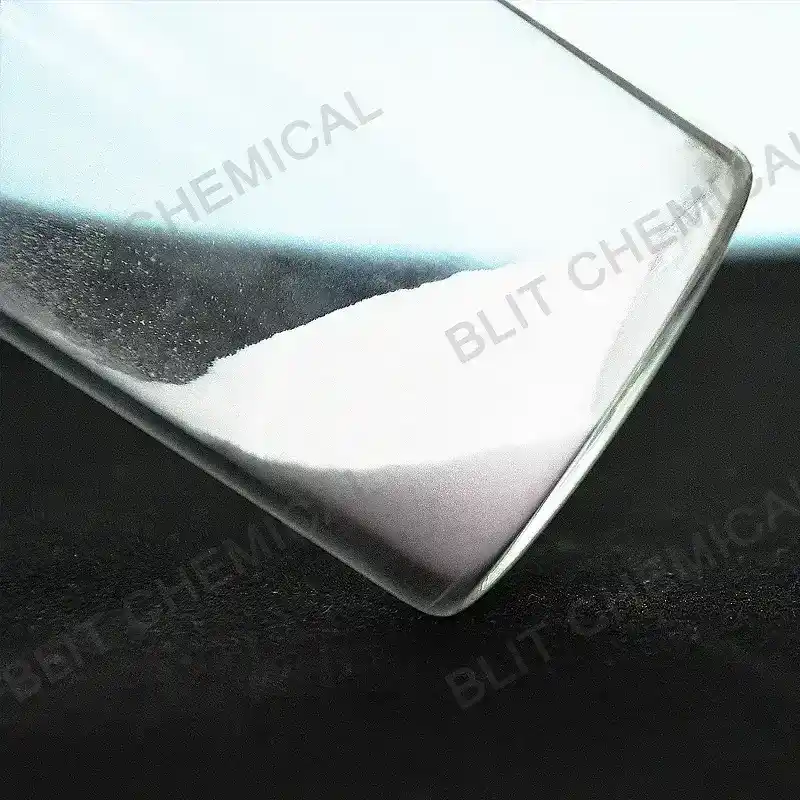
What Is Climbazole?
Climbazole is an antifungal compound commonly used in cosmetic and personal care products, particularly anti-dandruff shampoos and scalp treatments. It belongs to the imidazole class of antifungal agents, which are known for their effectiveness against fungi responsible for scalp conditions.
The primary target of climbazole is مالاسيزيا, a yeast-like fungus naturally present on the scalp. When this microorganism grows excessively, it can lead to dandruff, itching, and scalp irritation.
Climbazole works by inhibiting fungal growth, restoring the natural balance of the scalp microbiome and helping to reduce flakes and irritation.
Key characteristics of climbazole include:
- Strong antifungal activity
- High stability in cosmetic formulations
- Compatibility with surfactants used in shampoos
- Effective at low concentrations
Because of these advantages, climbazole has become a preferred ingredient in modern hair care formulations.
Why Climbazole Is Used in Anti-Dandruff Shampoo
1. Effective Control of Dandruff
The main reason climbazole is used in shampoo is its ability to combat dandruff-causing fungi. By reducing the growth of مالاسيزيا, climbazole helps minimize flaking and scalp irritation.
Regular use of climbazole-containing shampoos can significantly improve scalp health and reduce visible dandruff.
2. Gentle on the Scalp
Compared with some traditional antifungal ingredients, climbazole is often considered mild and scalp-friendly. This makes it suitable for daily or frequent-use shampoos without causing excessive dryness or irritation.
3. Synergy with Other Active Ingredients
Climbazole can work effectively alongside other anti-dandruff agents, such as:
- Piroctone olamine
- Zinc-based compounds
- Salicylic acid
Combining these ingredients can improve overall dandruff control while offering additional benefits like exfoliation and scalp soothing.
4. Stability in Cosmetic Formulations
Another major advantage is climbazole’s chemical stability. It maintains effectiveness in various shampoo formulations, including those containing surfactants, conditioning agents, and fragrances.
This makes it easier for manufacturers to create high-performance hair care products.
Benefits of Climbazole in Shampoo Formulations
Improved Scalp Health
كليمبازول CAS 38083-17-9 helps maintain a balanced scalp microbiome by controlling fungal overgrowth. This leads to a healthier scalp environment and reduces irritation.
Reduction of Itching and Flaking
Dandruff often causes persistent itching and visible flakes. By addressing the root cause, climbazole helps alleviate these symptoms and improves scalp comfort.
Enhanced Hair Appearance
When dandruff is controlled, hair looks cleaner, shinier, and healthier. Consumers often notice improvements in hair texture and overall appearance after using climbazole-based shampoos.
Long-Lasting Protection
Climbazole provides long-lasting antifungal protection, helping prevent the recurrence of dandruff when used regularly.
Typical Concentration of Climbazole in Shampoo
In cosmetic applications, climbazole is typically used at low concentrations, making it both effective and cost-efficient.
Common usage levels in shampoos range from:
- 0.1% to 0.5%, depending on formulation and regulatory requirements.
These low concentrations are sufficient to deliver strong antifungal activity while maintaining product safety.
Formulators must also ensure that the ingredient is properly dissolved and evenly distributed in the shampoo base to achieve optimal performance.
Formulation Considerations for Shampoo Manufacturers
When incorporating climbazole into shampoo products, several formulation factors should be considered.
الذوبان
Climbazole has limited water solubility, so it is often dissolved in suitable solvents or pre-mixed with other ingredients before being added to the formulation.
Proper dispersion ensures consistent antifungal activity throughout the product.
pH Compatibility
Shampoo formulations typically have a pH range between 5 and 7, which is suitable for climbazole stability and scalp health.
Maintaining the correct pH ensures maximum effectiveness of the active ingredient.
Compatibility with Surfactants
Climbazole works well with common shampoo surfactants such as:
- Sodium laureth sulfate (SLES)
- Cocamidopropyl betaine
- Sodium lauryl sulfate (SLS)
This compatibility allows formulators to design shampoos that combine effective cleansing with antifungal protection.
Stability Testing
Before launching a product, manufacturers should conduct stability and performance testing to ensure the climbazole remains active throughout the product’s shelf life.
Regulatory Considerations
Climbazole is widely accepted for use in cosmetic products in many regions, including Europe and Asia. However, manufacturers must comply with local regulations regarding maximum allowable concentrations.
For example, regulatory authorities may limit the concentration of climbazole in rinse-off products such as shampoos. Therefore, it is important for cosmetic companies to verify compliance with relevant cosmetic regulations before commercialization.
Proper labeling and safety assessments are also essential for ensuring regulatory approval.
Market Demand for Climbazole-Based Shampoos
The global anti-dandruff shampoo market continues to grow due to increasing awareness of scalp health and personal hygiene.
Several trends are driving the demand for climbazole in shampoo formulations:
Rising Consumer Awareness
Consumers are becoming more aware of the importance of scalp care, leading to increased demand for scientifically proven anti-dandruff ingredients.
Growth of Premium Hair Care Products
Premium hair care brands often incorporate advanced ingredients like climbazole to deliver high-performance scalp treatments.
Expansion of Personal Care Markets
Rapid growth in emerging markets is increasing the demand for effective and affordable anti-dandruff products.
Focus on Scalp Microbiome
Modern hair care research increasingly focuses on maintaining a balanced scalp microbiome, making antifungal agents like climbazole even more relevant.
Future Trends in Anti-Dandruff Shampoo
The future of climbazole-based shampoo formulations will likely include:
- Combination formulas with probiotics or botanical extracts
- Sulfate-free and mild formulations for sensitive scalps
- Scalp-focused hair care routines
- Sustainable and eco-friendly cosmetic ingredients
As consumers prioritize both effectiveness and safety, climbazole will remain an important ingredient in innovative scalp care products.
خاتمة
Climbazole plays a vital role in modern anti-dandruff shampoo formulations due to its strong antifungal activity, stability, and compatibility with cosmetic ingredients. By targeting the root cause of dandruff—fungal overgrowth on the scalp—it helps reduce flakes, itching, and irritation while promoting healthier hair and scalp conditions.
For cosmetic manufacturers and hair care brands, high purity climbazole offers a reliable and cost-effective solution for developing high-performance anti-dandruff products. As consumer demand for advanced scalp care continues to grow, climbazole will remain a key ingredient in the evolving hair care market.
التعليمات
Q1: What does climbazole do in shampoo?
Climbazole acts as an antifungal agent that helps control dandruff by inhibiting the growth of scalp fungi such as مالاسيزيا.
Q2: Is climbazole safe for daily shampoo use?
Yes, climbazole is considered safe for cosmetic use when applied at recommended concentrations in rinse-off products like shampoos.
Q3: What concentration of climbazole is used in shampoo?
Most anti-dandruff shampoos contain climbazole at concentrations between 0.1% and 0.5%.
Q4: Can climbazole be combined with other anti-dandruff ingredients?
Yes, climbazole is often combined with ingredients such as piroctone olamine or salicylic acid to enhance dandruff control.
Q5: Why is climbazole effective against dandruff?
Climbazole targets fungi responsible for dandruff, helping restore scalp balance and reduce flaking and itching.

