



Climbazol: agente antifúngico para el cuidado de la piel: beneficios, usos y guía de formulación
Release time: 2026-02-02
Tabla de contenido
In recent years, the skincare industry has seen a growing focus on scalp and skin microbiome health. Consumers are increasingly aware that many common skin issues—such as dandruff, seborrheic dermatitis, and fungal acne—are linked to microbial imbalances on the skin. As a result, antifungal ingredients have gained significant attention in cosmetic and dermatological formulations.
One ingredient that has become increasingly popular is climbazole, a highly effective antifungal agent widely used in personal care products. While it is most commonly known for its role in anti-dandruff shampoos, climbazole is also widely applied in skin care products, including facial cleansers, creams, lotions, and scalp treatments.
Thanks to its ability to inhibit fungal growth while remaining gentle on the skin, climbazole has become a valuable ingredient for formulators looking to develop advanced skin care solutions for fungal-related skin conditions.
This article explores the benefits, mechanisms, applications, formulation considerations, and market trends of climbazole in skin care products.
What Is Climbazole?
Climbazole is a synthetic antifungal compound belonging to the imidazole class of antifungal agents, which are commonly used in both pharmaceutical and cosmetic applications.
Its primary function is to inhibit the growth of fungi and yeast, particularly species of Malassezia, a microorganism naturally present on human skin.
A pesar de Malassezia is part of the normal skin microbiota, excessive growth can lead to several skin problems, including:
- Dandruff
- Seborrheic dermatitis
- Fungal acne
- Scalp irritation
- Skin flaking
Climbazole helps restore balance to the skin by controlling fungal proliferation and maintaining a healthier skin environment.
Because of its high efficacy at low concentrations, climbazole has become a preferred ingredient in both scalp care and dermatological skin care formulations.
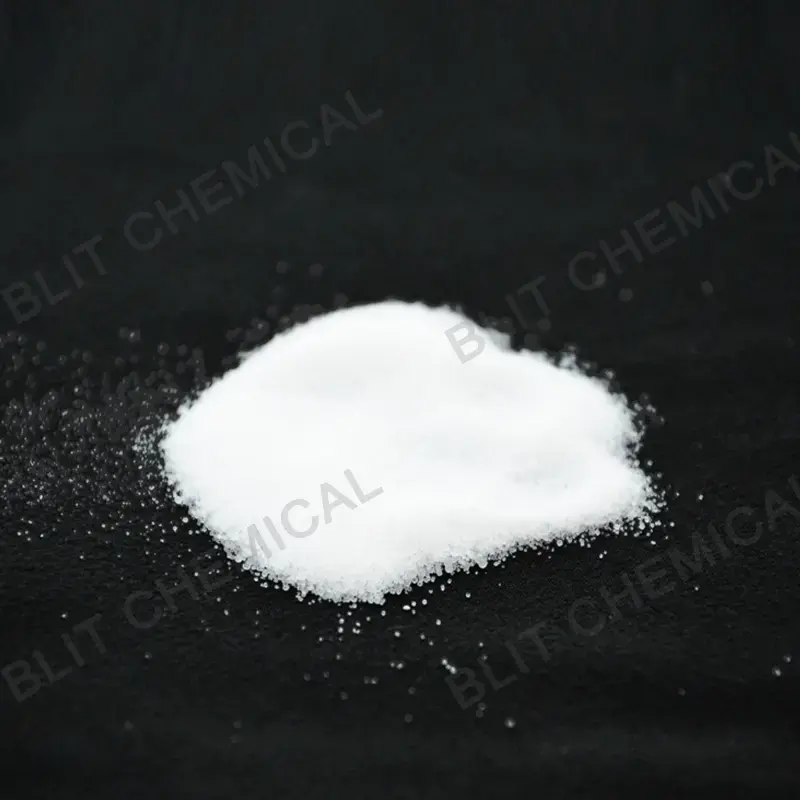
Cómo funciona el climbazol
Climbazole functions by interfering with the synthesis of ergosterol, an essential component of fungal cell membranes.
Without ergosterol, fungal cells cannot maintain the integrity of their membranes, leading to inhibited growth and eventual elimination of the microorganisms.
This antifungal mechanism offers several benefits:
- Reduces fungal colonization on the skin
- Restores the natural balance of the skin microbiome
- Prevents recurrence of fungal-related skin conditions
Because climbazole targets fungi specifically, it can effectively control fungal growth without severely disrupting beneficial skin bacteria.
Benefits of Climbazole in Skin Care
1. Effective Treatment for Fungal Skin Conditions
One of the primary benefits of climbazole is its effectiveness against fungal-related skin disorders.
It is commonly used to manage conditions associated with Malassezia overgrowth, including:
- Seborrheic dermatitis
- Fungal acne (Malassezia folliculitis)
- Scalp dandruff
- Skin flaking and irritation
By reducing fungal growth, climbazole helps improve overall skin health.
2. Reduces Skin Irritation and Inflammation
Fungal overgrowth can trigger inflammation, redness, and itching. High-purity climbazole helps reduce these symptoms by eliminating the underlying fungal cause.
When incorporated into skincare formulations, climbazole can soothe irritated skin and improve comfort.
3. Supports a Healthy Skin Microbiome
Maintaining a balanced skin microbiome is essential for healthy skin.
Climbazole helps prevent microbial imbalance by controlling the growth of problematic fungi while allowing beneficial microorganisms to thrive.
This balance contributes to stronger skin barrier function and healthier skin appearance.
4. Suitable for Sensitive Skin Formulations
Compared with some traditional antifungal treatments, climbazole is often considered milder and more cosmetically elegant, making it suitable for daily-use skincare products.
It can be incorporated into formulations designed for sensitive or irritation-prone skin.
5. Versatile Cosmetic Applications
Climbazole is highly versatile and can be used in a variety of cosmetic products, including:
- Anti-dandruff shampoos
- Facial cleansers
- Scalp tonics
- Skin creams and lotions
- Body washes
- Anti-acne treatments
This flexibility allows manufacturers to create targeted skincare solutions for multiple fungal-related concerns.
Common Skin Care Applications
- Anti-Dandruff Scalp Care
The most well-known application of climbazole is in anti-dandruff shampoo formulations. By controlling Malassezia growth on the scalp, it helps reduce flakes and itching.
Many premium scalp-care brands now incorporate climbazole into scalp serums, tonics, and exfoliating treatments.
- Fungal Acne Treatments
Fungal acne, also known as Malassezia folliculitis, has become a widely discussed skin concern in recent years.
Climbazole-containing products can help manage this condition by targeting the yeast responsible for follicle inflammation.
As awareness of fungal acne increases, climbazole has gained popularity in specialized acne-care formulations.
- Seborrheic Dermatitis Care
Seborrheic dermatitis is a chronic skin condition characterized by redness, scaling, and irritation, often affecting areas such as:
- Scalp
- Eyebrows
- Nasolabial folds
- Chest
Climbazole-based products can help manage these symptoms by reducing fungal activity and calming the skin.
Formulation Considerations for Cosmetic Manufacturers
Concentración recomendada
Climbazole is typically used at low concentrations in cosmetic formulations.
Common usage levels include:
- 0.1% – 0.5% in rinse-off products (such as shampoos and cleansers)
- 0.1% – 0.2% in leave-on skincare products
These concentrations are sufficient to deliver effective antifungal activity.
Solubilidad
Climbazole has limited solubility in water, so formulators often dissolve it in suitable solvents before adding it to cosmetic formulations.
Proper dispersion ensures consistent performance and product stability.
pH Compatibility
Climbazole performs well in formulations with a pH range between 5 and 7, which aligns with the natural pH of human skin.
Maintaining the correct pH improves both skin compatibility and ingredient stability.
Ingredient Compatibility
Climbazole is compatible with many common cosmetic ingredients, including:
- Surfactantes
- Emolientes
- Humectants
- Botanical extracts
It can also be combined with other active ingredients such as:
- Salicylic acid
- Niacinamida
- Zinc-based compounds
These combinations can enhance the overall effectiveness of skincare products.
Market Trends Driving Demand for Climbazole
Several global skincare trends are increasing demand for climbazole-based products.
- Microbiome-Friendly Skincare
Consumers are increasingly interested in products that support the skin microbiome, rather than disrupt it. Climbazole fits well within this trend due to its targeted antifungal action.
- Growth of Scalp Care as Skin Care
Modern beauty trends increasingly treat the scalp as an extension of facial skin care. As a result, specialized scalp treatments containing active ingredients like climbazole are becoming more common.
- Rising Awareness of Fungal Acne
Social media and dermatology communities have helped raise awareness of fungal acne, driving interest in antifungal skincare ingredients.
Climbazole is emerging as a key ingredient in products designed for fungal acne-prone skin.
- Expansion of Dermatology-Inspired Cosmetics
Consumers increasingly seek science-backed skincare formulations. Ingredients with proven antifungal properties, such as climbazole, align with this trend.
Conclusión
Climbazole has become an important ingredient in modern skin care and scalp care formulations due to its powerful antifungal activity and excellent compatibility with cosmetic products. By targeting fungi responsible for dandruff, seborrheic dermatitis, and fungal acne, climbazole helps restore the natural balance of the skin microbiome and improve overall skin health.
Its versatility, stability, and effectiveness at low concentrations make it an ideal ingredient for a wide range of cosmetic products, from shampoos and cleansers to creams and scalp treatments.
As consumer interest in microbiome-friendly and dermatology-inspired skincare continues to grow, climbazole is expected to play an increasingly important role in the development of next-generation skin care solutions.
Preguntas frecuentes
What is climbazole used for in skin care?
Climbazole is used in skin care products to control fungal growth on the skin. It helps treat dandruff, fungal acne, and seborrheic dermatitis by targeting Malassezia yeast.
Is climbazole safe for skin care products?
Yes, climbazole is widely used in cosmetic formulations at regulated concentrations and is considered safe for rinse-off and certain leave-on products.
Can climbazole help with fungal acne?
Yes, climbazole can help manage fungal acne by inhibiting the yeast responsible for follicle inflammation.
Is climbazole only used in shampoo?
No. In addition to shampoos, climbazole is used in facial cleansers, creams, lotions, scalp treatments, and body washes.
What concentration of climbazole is used in cosmetics?
Climbazole is typically used at concentrations between 0.1% and 0.5%, depending on the type of cosmetic product.